How Long Do Dental Implants Last? What Affects Their Lifespan
How long do dental implants actually last? Dr. Liza Wakim explains lifespan by component, what shortens it, and the maintenance habits that make the difference.

When a patient decides to move forward with a dental implant, one of the first questions I hear after “will it hurt?” is “how long is this going to last?”
It’s the right question to ask. An implant is a meaningful investment — of time, money, and trust in a clinical process. Understanding what you’re getting, and what you can do to protect it, is part of making that investment wisely. It’s often not the only option,so it’s important to know how it compares to other restorative dentistry solutions like bridges, too.
The honest answer is that a well-placed, well-maintained implant can last decades — many last a lifetime. But like most things in dentistry, the full answer has nuance. The implant itself, the components attached to it, and the habits of the patient all factor into how long the result actually holds up.
Here’s how I explain it.
The implant is more than one thing
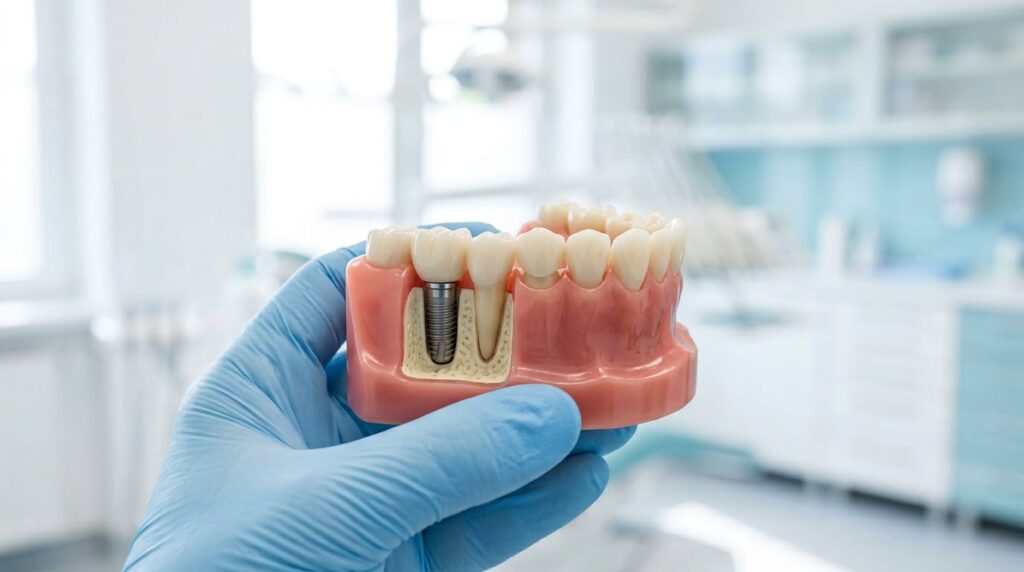
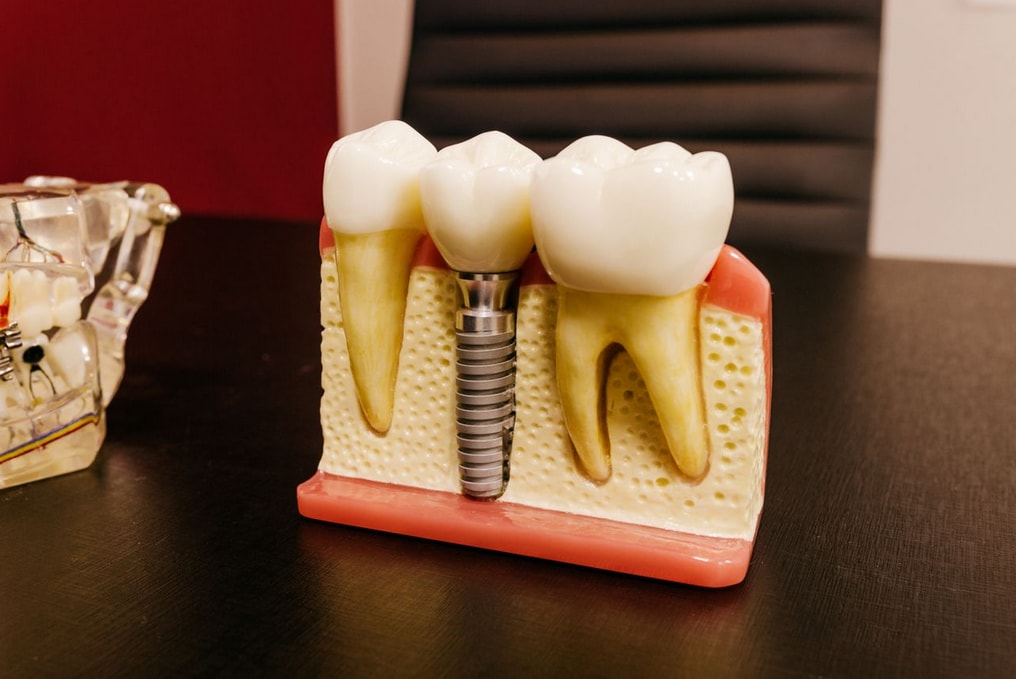
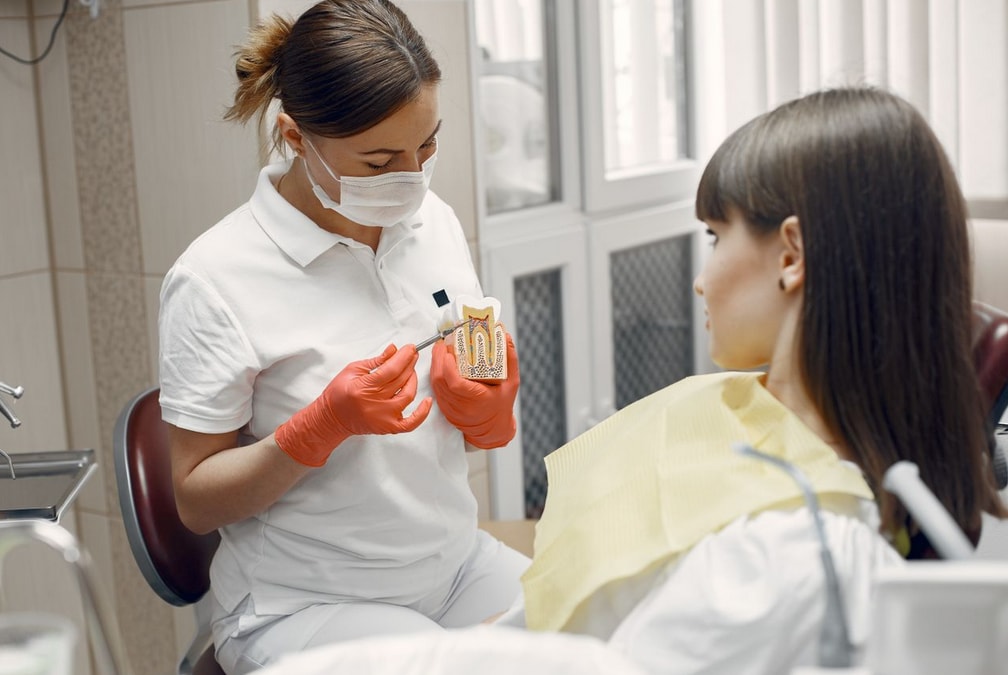
This is the part patients don’t always realize going in: a dental implant is actually a system of three components, and each has its own lifespan characteristics.
The implant post is the titanium fixture that’s placed into the jawbone. This is the part that integrates with the bone through osseointegration and forms the permanent anchor for everything above it. The post itself is the most durable component of the system — it’s made from medical-grade titanium, which is biocompatible and extraordinarily resistant to corrosion. With proper care and no complicating factors, the post can last a lifetime. Most implant failures — when they happen — occur in the early months during osseointegration, not decades later.
The abutment is the connector piece that sits above the gumline and attaches the crown to the post. Abutments are also very durable and rarely the source of implant problems, though they can occasionally need adjustment or replacement over many years.
The implant crown is the visible, tooth-shaped restoration that sits on top of the abutment. This is the component most likely to need attention over time. Like any dental crown, implant crowns are subject to the same wear and staining that natural teeth experience — and they typically last 10 to 20 years before replacement becomes appropriate, depending on material and care.
So when patients ask how long an implant lasts, the answer is often: the post, potentially forever — the crown, 10 to 20 years with good care.
Lifespan figures assume good oral hygiene, regular dental visits, no smoking, and no uncontrolled systemic disease. Individual results vary.
What gives implants their exceptional longevity
Titanium’s relationship with bone is unusual in the best possible way. Most foreign materials placed in the body are tolerated but not truly integrated — the body forms a barrier around them. Titanium is one of the very few materials that bone actually grows into and bonds with. Once osseointegration is complete, the implant post is structurally part of the jaw — not sitting in it, but fused to it.
This is what makes implants categorically different from other tooth replacement options in terms of longevity. A bridge sits above the bone and relies on the structural integrity of the neighboring teeth. An implant is the bone, functionally speaking. That’s why a post placed well and integrated fully can remain stable for 20, 30, 40 years or more.
What shortens implant lifespan
The factors that compromise implants fall into two categories: those that affect osseointegration early, and those that affect the system over time.
Early failure factors
Smoking. This is the single biggest lifestyle risk factor for implant failure. Smoking impairs blood flow to the gum and bone tissue, which slows healing and significantly increases the risk that osseointegration won’t complete successfully. Patients who smoke have meaningfully higher implant failure rates than non-smokers — this is one of the clearest findings in implant research. I discuss this openly with patients who smoke before recommending a procedure, because the outcome depends on it.
Uncontrolled systemic disease. Uncontrolled diabetes in particular affects healing throughout the body, including at the implant site. Patients with well-controlled diabetes can be excellent implant candidates — patients with poorly controlled diabetes face a harder road. Certain medications, including bisphosphonates used to treat osteoporosis, can also affect how bone responds to implant placement. A thorough medical history before surgery isn’t a formality — it’s how we catch these factors early.
Infection at placement. If the surgical site becomes infected during the healing period, osseointegration can be disrupted. Following post-operative care instructions — keeping the site clean, avoiding certain foods and activities — directly affects whether this happens.
Long-term failure factors
Peri-implantitis. This is the implant equivalent of gum disease — an inflammatory condition affecting the gum and bone tissue around an implant. Left untreated, it causes bone loss around the post, which compromises stability and can eventually lead to implant failure. Peri-implantitis is the most common reason established implants fail years after successful placement, and it’s largely preventable with good oral hygiene and regular professional cleaning.
Bruxism — teeth grinding. Excessive grinding puts repetitive force on the implant crown and, over time, on the post itself. Patients who grind at night and have implants should wear a custom nightguard — it protects the crown from premature wear and reduces stress on the entire system.
Bite issues. An implant that isn’t properly aligned with the bite takes disproportionate force with every chew. This is a placement and fitting issue that a careful dentist addresses at the time of crown delivery — but if bite alignment shifts over time, it’s worth checking at routine visits.
Neglecting oral hygiene. Implants can’t get cavities — the crown material and titanium post aren’t susceptible to decay. But the gum and bone tissue around an implant absolutely can become inflamed and infected if oral hygiene is poor. Brushing, flossing, and regular professional cleanings aren’t optional maintenance for implant patients — they’re what keeps the supporting tissue healthy enough to hold the implant in place for decades.
What maintenance actually looks like
Good news: maintaining a dental implant doesn’t require a specialized routine. The basics of good oral care are what protect them.
Brush twice daily with a soft-bristled toothbrush. The crown can be brushed exactly like a natural tooth. Paying attention to the gumline around the implant — where peri-implantitis begins — is worth the extra few seconds.
Floss or use an interdental brush daily. Cleaning between the implant crown and the adjacent teeth removes the biofilm that contributes to peri-implantitis. Some patients find a water flosser helpful around implants, though it doesn’t replace mechanical cleaning entirely.
Keep up with professional cleanings. Your hygienist uses instruments appropriate for implant surfaces — different from standard metal scalers, which can scratch the titanium abutment. Let your dental office know you have implants so they use the right tools.
Wear a nightguard if you grind. As mentioned above — if bruxism is a factor, this is non-negotiable for implant longevity.
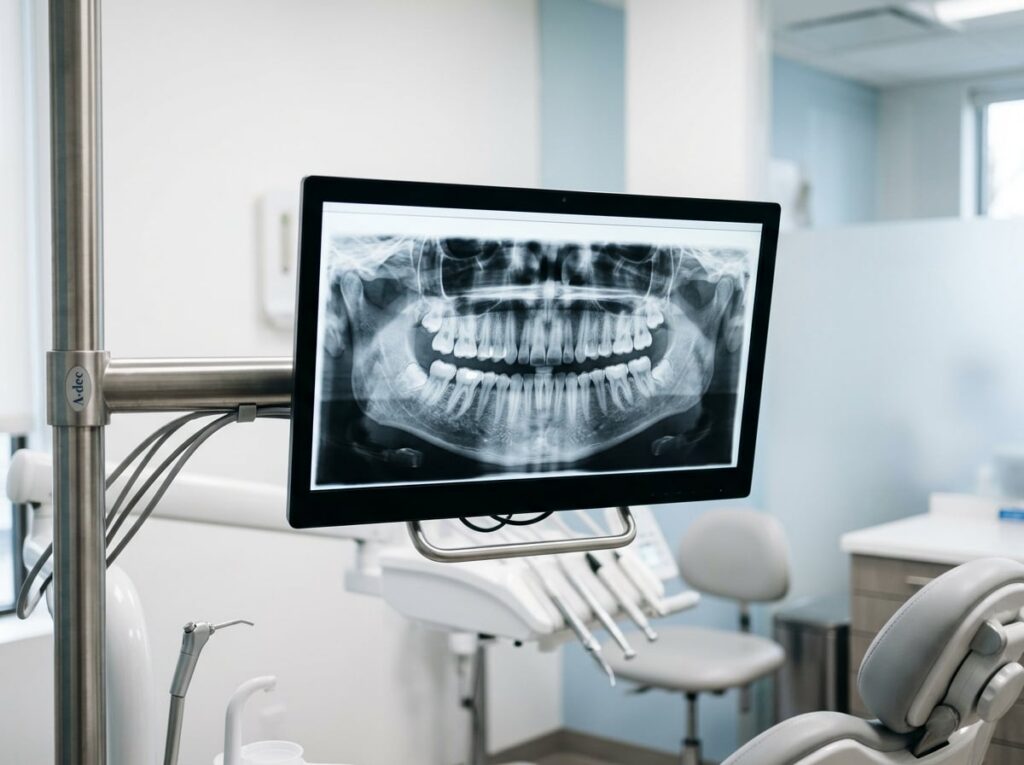
Don’t skip your check-ups. Routine X-rays allow early detection of bone changes around the implant. Catching early peri-implantitis or bone loss is far easier to address than advanced disease.
The realistic long-term picture
Here’s what I tell patients who ask for an honest forecast: if you’re healthy, you don’t smoke, you maintain good oral hygiene, and you come in for regular care, there’s every reason to expect your implant post to last the rest of your life. The crown may need replacement at some point — probably after 15 to 20 years — but that’s a straightforward procedure that doesn’t involve the jawbone or the healing process of the original surgery.
Patients who take care of their implants the way they take care of the rest of their teeth tend to keep them indefinitely. That’s not a marketing claim — it’s what the long-term clinical data bears out, and what I see in my own practice.
An implant isn’t maintenance-free, but it’s also not fragile. Treat it like a tooth — because functionally, it is one.
Considering an implant in Washington, PA or Pittsburgh?
If you’re weighing whether an implant is the right long-term investment for your situation, I’m happy to walk through the specifics with you. The lifespan of any implant depends partly on factors I can assess and partly on how it’s cared for — and both are worth understanding before you decide.
Washington, PA & Pittsburgh
Weighing a dental implant as a long-term investment?
Dr. Liza will walk through what the lifespan of an implant realistically looks like for your specific situation — bone health, habits, and all.

Dr. Elizabeth Wakim, DDS, is the founder of Enhanced Wellness. She’s a compassionate and highly-regarded dentist with her own practice in Washington, Pennsylvania, known for providing modern, comprehensive dental care, botox and facial aesthetics with a focus on patient comfort and anxiety reduction, serving general, cosmetic, and pediatric dentistry needs.