TMJ Flare-Up: What’s Actually Happening and How to Get Relief
Jaw pain, headaches, clicking, limited movement — a TMJ flare-up can be confusing and disruptive. Dr. Liza Wakim explains what’s actually happening, what helps at home, and when to come in.
If you’ve ever woken up with a jaw that aches, a headache that seems to originate somewhere near your ear, or a clicking sensation every time you open your mouth wide — you may have experienced a TMJ flare-up without knowing that’s what to call it.
TMJ disorder is one of those conditions that tends to build quietly. Many patients don’t connect the jaw soreness to the headaches, or the headaches to the neck tension, until a flare-up becomes bad enough to disrupt daily life. By that point, they’re often frustrated — and not sure whether a dentist, a doctor, or a physical therapist is even the right person to call.
Let me explain what’s actually happening during a TMJ flare-up, what helps, and when it’s worth coming in.
What the TMJ is and why it flares
The temporomandibular joint — the TMJ — is the hinge joint that connects your lower jaw to your skull, just in front of each ear. It’s one of the most complex joints in the body: it doesn’t just open and close, it also slides forward, rotates, and moves laterally to allow chewing, speaking, and yawning. A small disc of cartilage sits between the bones to cushion the movement.
TMJ disorder — sometimes called TMD — refers to a range of conditions that affect this joint and the muscles surrounding it. It’s not one single diagnosis but a cluster of related problems, which is part of why it can be hard to pin down and why treatment isn’t one-size-fits-all.
A flare-up occurs when the joint or surrounding muscles become acutely inflamed or strained — typically triggered by something that has put extra stress on the system. Common triggers include:
- A period of increased stress, which often leads to clenching or grinding during sleep without awareness
- Extended dental appointments that require the mouth to be held open for a long time
- Eating hard or chewy foods that stress the joint
- A change in sleep position or a night of particularly heavy grinding
- Postural changes — extended time at a desk, looking down at a phone — that create tension in the neck and jaw muscles
- Occasionally, no identifiable trigger at all
What a flare-up actually feels like
TMJ flare-up symptoms vary from person to person, which is part of what makes the condition confusing. The most common presentations I see include:
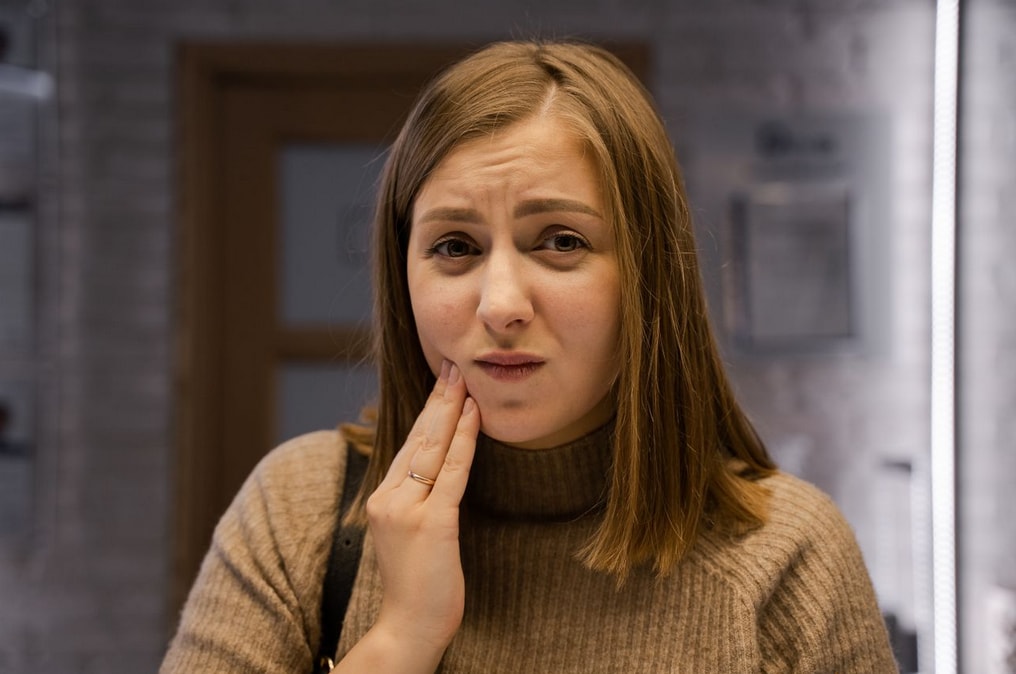
Jaw pain or soreness — particularly in the morning, which often reflects nighttime grinding or clenching, or after eating, especially harder foods.
Headaches — often felt at the temples or behind the eyes. TMJ-related headaches are frequently mistaken for tension headaches or even migraines, and they can be. The jaw muscles connect to the temporalis muscle at the temple, which is why jaw tension translates so readily into head pain.
Clicking, popping, or grinding sounds when opening or closing the mouth. These are caused by the disc shifting position within the joint. Clicking alone, without pain, isn’t necessarily a problem — but clicking with pain or limited movement is worth evaluating.
Limited range of motion — difficulty opening the mouth fully, or a jaw that feels like it gets stuck or locks briefly. This can range from mild stiffness to significant restriction.
Ear pain or a sensation of fullness in the ear — because of the TMJ’s proximity to the ear canal, joint inflammation can feel deceptively like an ear problem.
Neck and shoulder tension — the muscles of the jaw and neck are interconnected, and tension in one often creates tension in the other.
What helps during a flare-up
Most acute flare-ups are manageable at home with conservative measures. Here’s what I recommend to patients in the middle of one:
Rest the joint. This sounds obvious, but it means being deliberate about it — eating soft foods for a few days, avoiding chewing gum, not opening the mouth wide unnecessarily, and being mindful about yawning. The jaw is a joint like any other; when it’s inflamed, reducing load on it helps.
Heat or ice. Moist heat applied to the jaw and temple area helps relax the surrounding muscles and can be particularly helpful for morning stiffness. Ice is more useful for acute swelling or sharp pain immediately after a triggering event. Alternating both can work well. Ten to twenty minutes at a time, with breaks in between.
Over-the-counter anti-inflammatories. Ibuprofen addresses both pain and inflammation, making it the most useful OTC option for a TMJ flare specifically — as opposed to acetaminophen, which handles pain but not inflammation. Take it with food, at the recommended dose, for a few days during the acute period.
Jaw exercises and gentle stretching. Specific stretches for the jaw and neck muscles can help release tension during a flare and, done consistently, reduce the frequency of future flare-ups. A physical therapist or your dentist can walk you through appropriate exercises for your situation.
Stress management. If stress is a trigger — and for many TMJ patients it is — addressing the source directly is part of managing the condition. This isn’t always simple, but it’s worth naming: what happens in your life shows up in your jaw, and sometimes more than any device or medication, reducing the underlying stress load is what shifts the pattern.
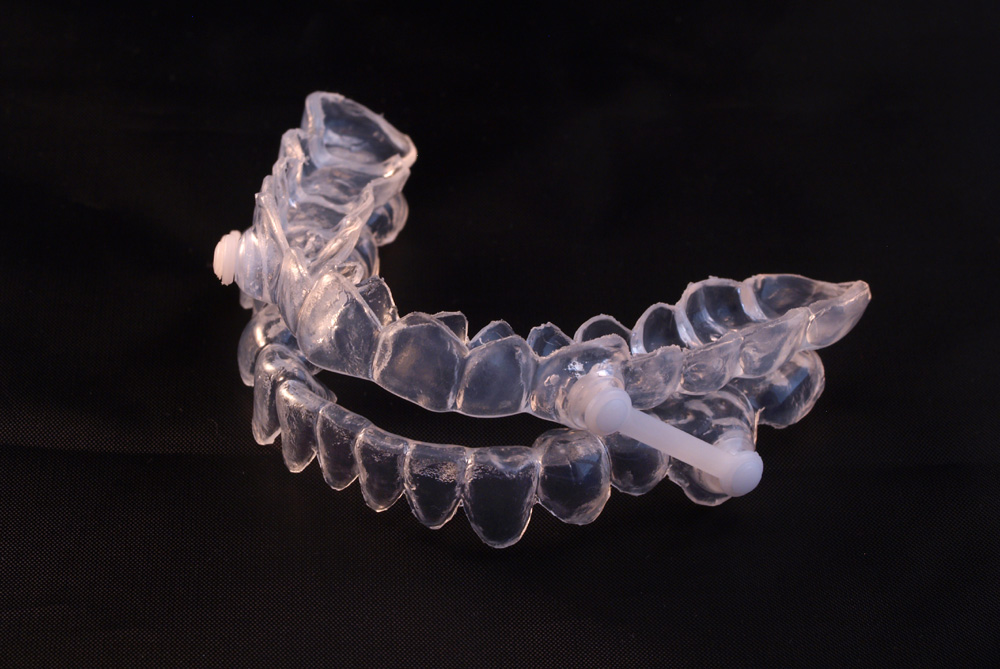
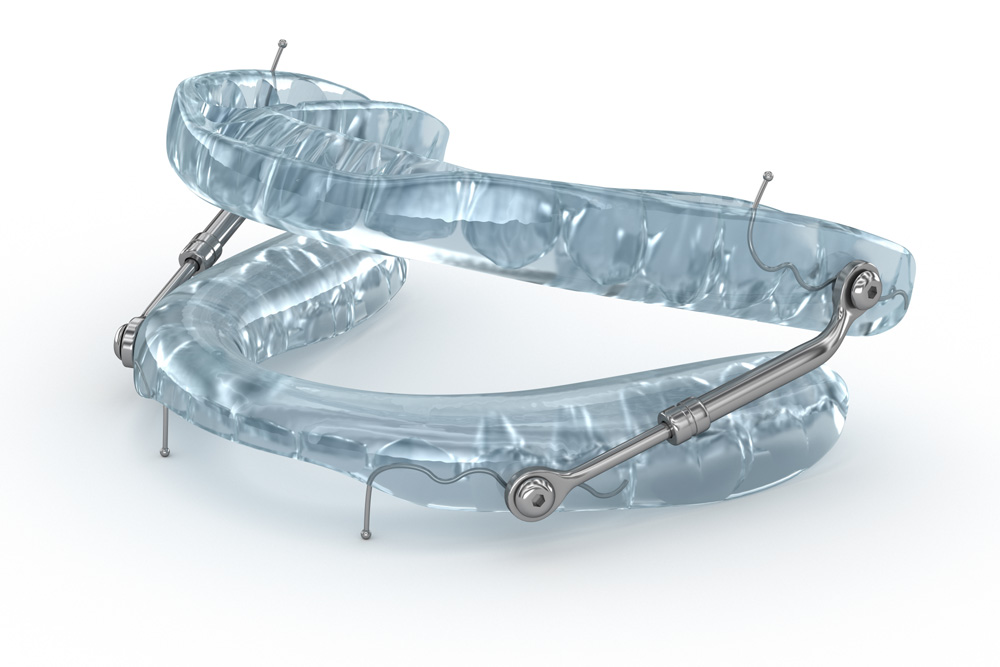
A nightguard. If clenching or grinding during sleep is contributing to your flare-ups — which it is for many TMJ patients — a custom nightguard worn at night creates a buffer that protects the joint and reduces the muscle activity that drives grinding. This is one of the most consistently effective interventions I offer patients with TMJ disorder, and it’s something I can provide and fit precisely to your bite.
When a flare-up warrants a call to the dentist
Most flare-ups, managed conservatively at home, resolve within a few days to a couple of weeks. Some situations warrant professional evaluation sooner rather than later:
- Pain that is severe, worsening, or not responding to OTC pain relief after several days
- A jaw that locks open or closed — meaning you genuinely cannot move it through its normal range without significant effort
- Symptoms that are new, sudden, or significantly different from previous flare-ups
- Clicking or popping that has recently become accompanied by pain when it wasn’t before
- Flare-ups that are becoming more frequent or longer in duration over time
- Any concern that what you’re experiencing might not be TMJ at all — ear infections, dental abscesses, and other conditions can produce similar symptoms
I want patients to know that TMJ disorder is very treatable — and that treatment doesn’t automatically mean surgery or complex intervention. For most patients, a combination of a properly fitted nightguard, some targeted exercises, and awareness of triggers makes a meaningful and lasting difference. The earlier we address it, the more options we have.
A note on Botox for TMJ
One treatment option that patients are increasingly asking about — and that I offer at Enhanced Wellness — is Botox injected into the masseter muscle, the large jaw muscle responsible for much of the force behind clenching and grinding. Masseter Botox reduces the muscle’s activity, which reduces the force on the joint and often provides significant relief for patients whose TMJ symptoms are driven heavily by grinding.
I’ve written about this in more depth separately — but if conservative measures aren’t getting you where you need to be, it’s worth knowing that this option exists and is available here.
Ready to address your TMJ symptoms properly?
If flare-ups have become a recurring part of your life — or if you’re in the middle of one right now and want to understand what’s actually going on — I’m happy to take a look. Serving patients in Washington, PA and the greater Pittsburgh area.
Washington, PA & Pittsburgh
TMJ flare-ups becoming a pattern?
Dr. Liza can assess what’s driving your symptoms and put together a treatment plan that actually addresses the cause — not just the flare.

Dr. Elizabeth Wakim, DDS, is the founder of Enhanced Wellness. She’s a compassionate and highly-regarded dentist with her own practice in Washington, Pennsylvania, known for providing modern, comprehensive dental care, botox and facial aesthetics with a focus on patient comfort and anxiety reduction, serving general, cosmetic, and pediatric dentistry needs.