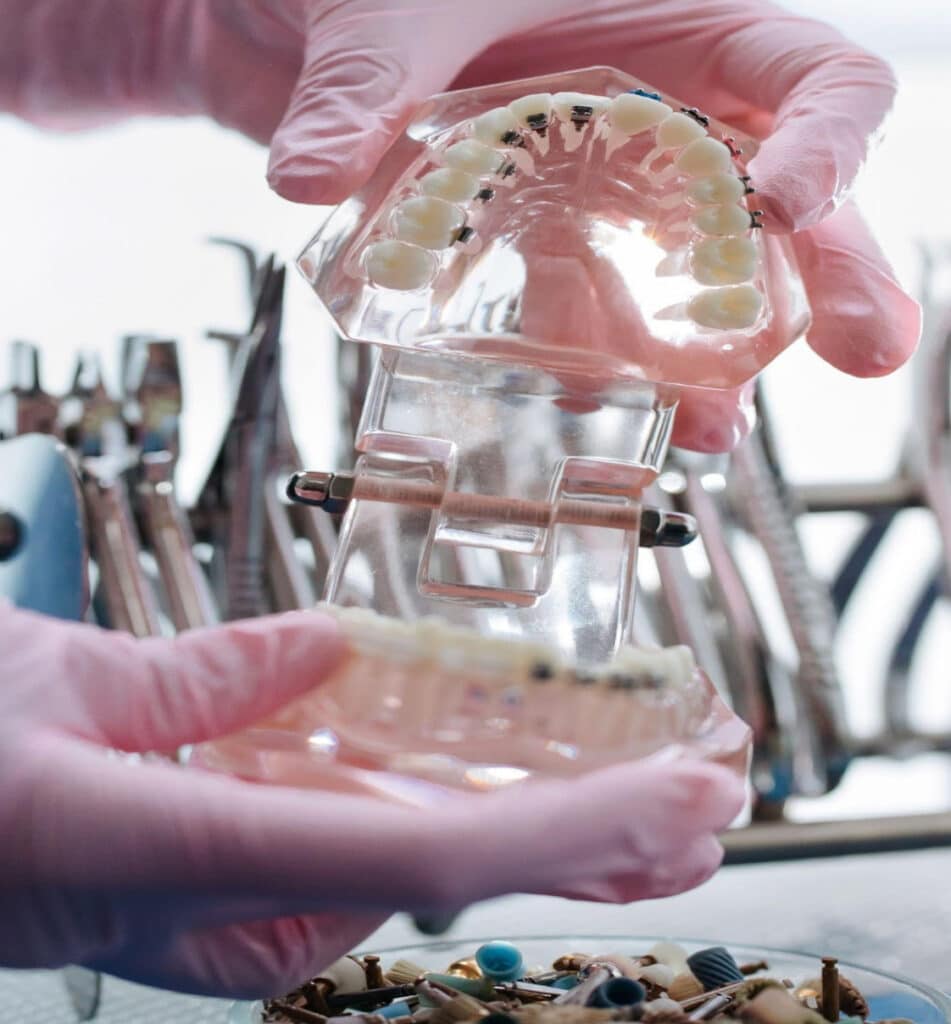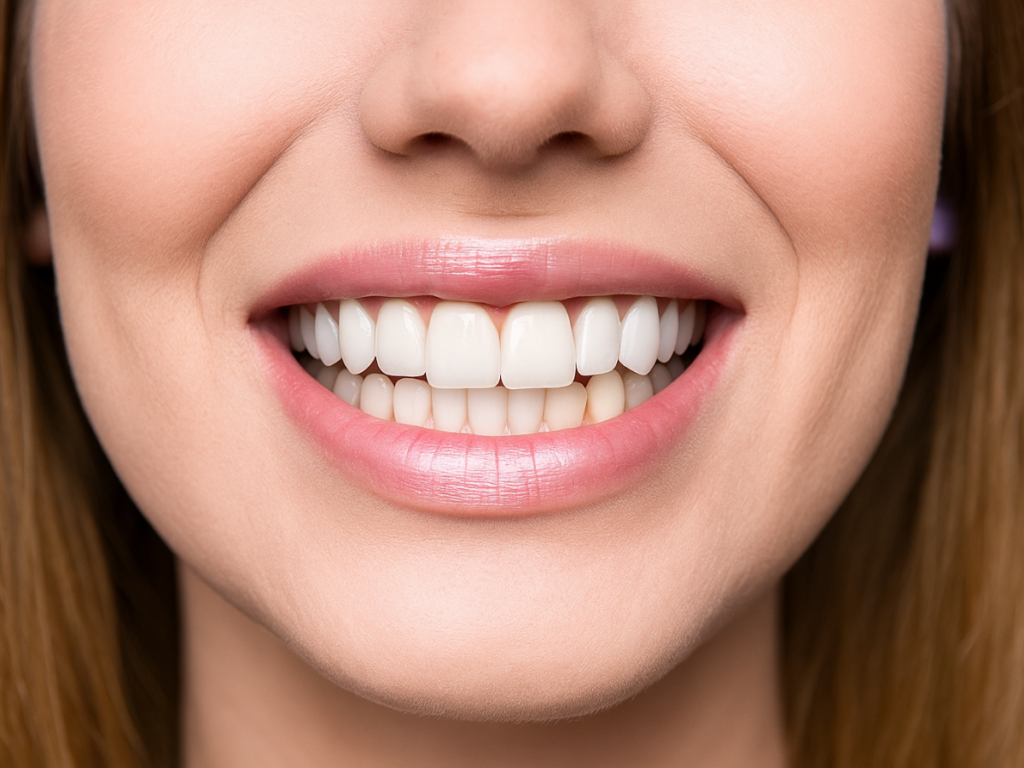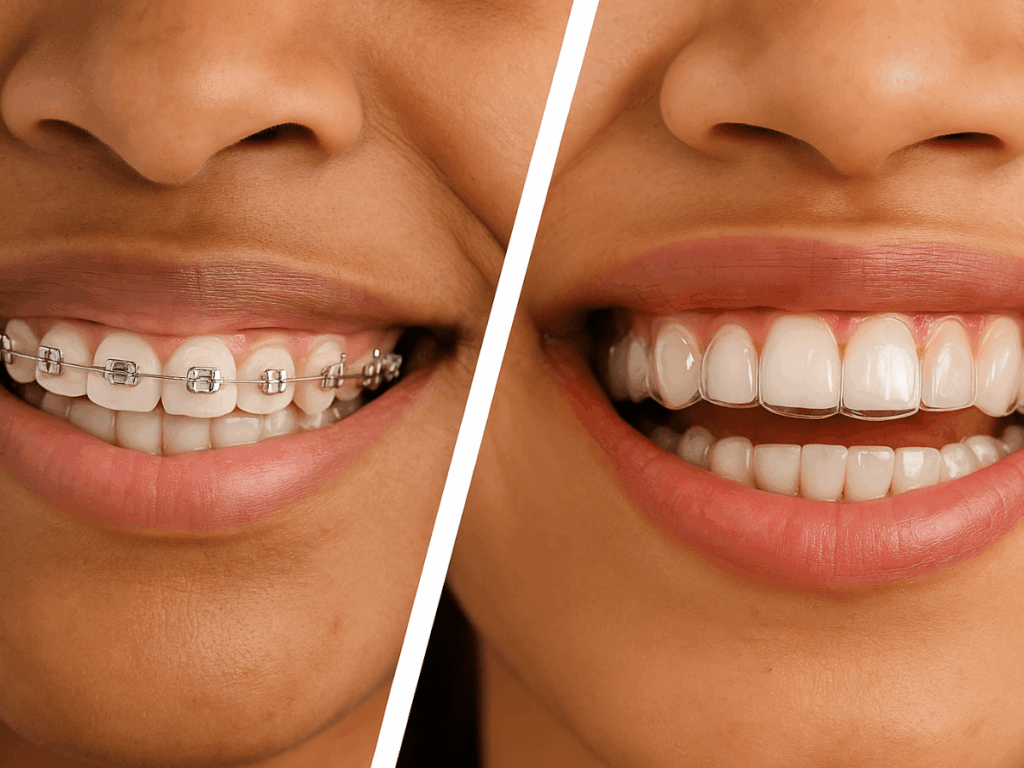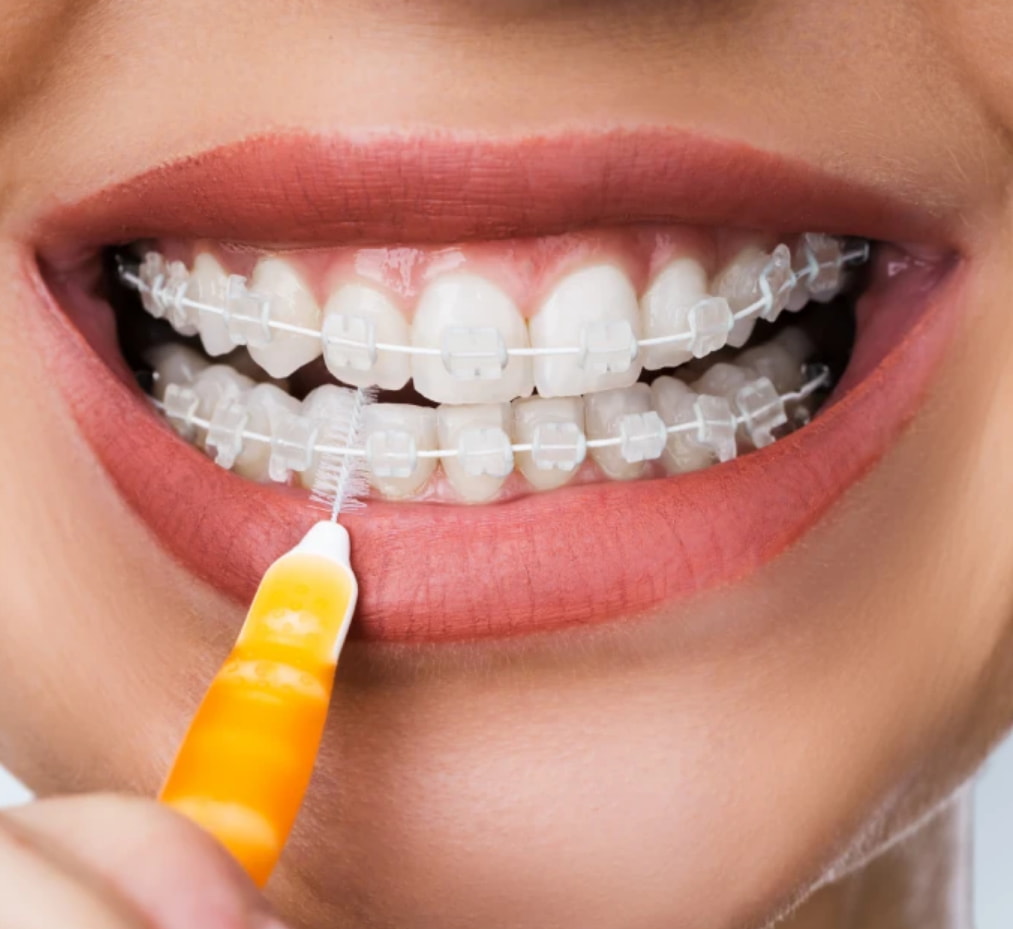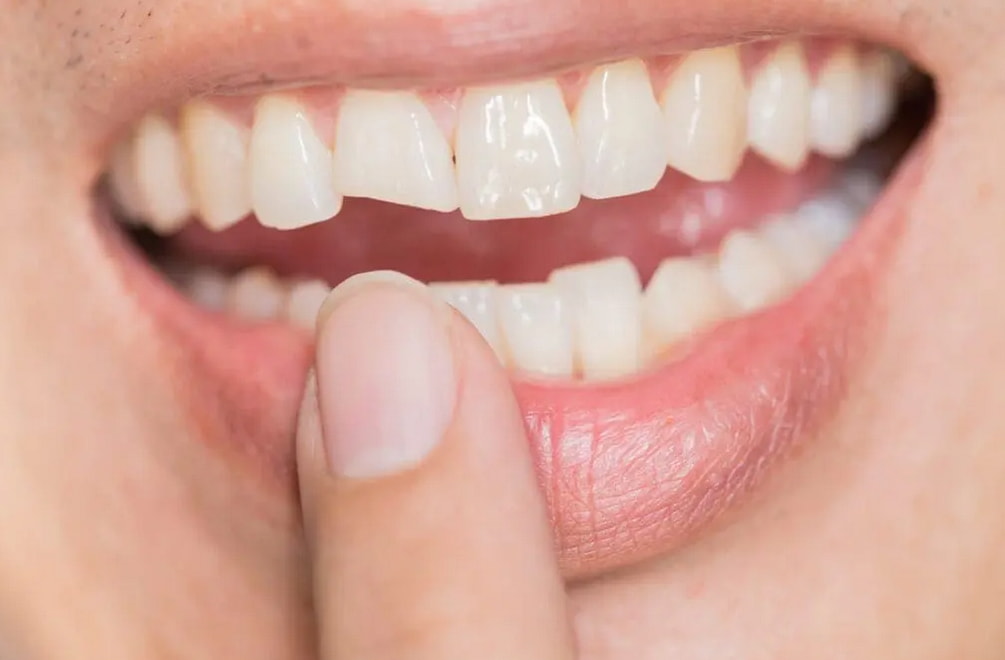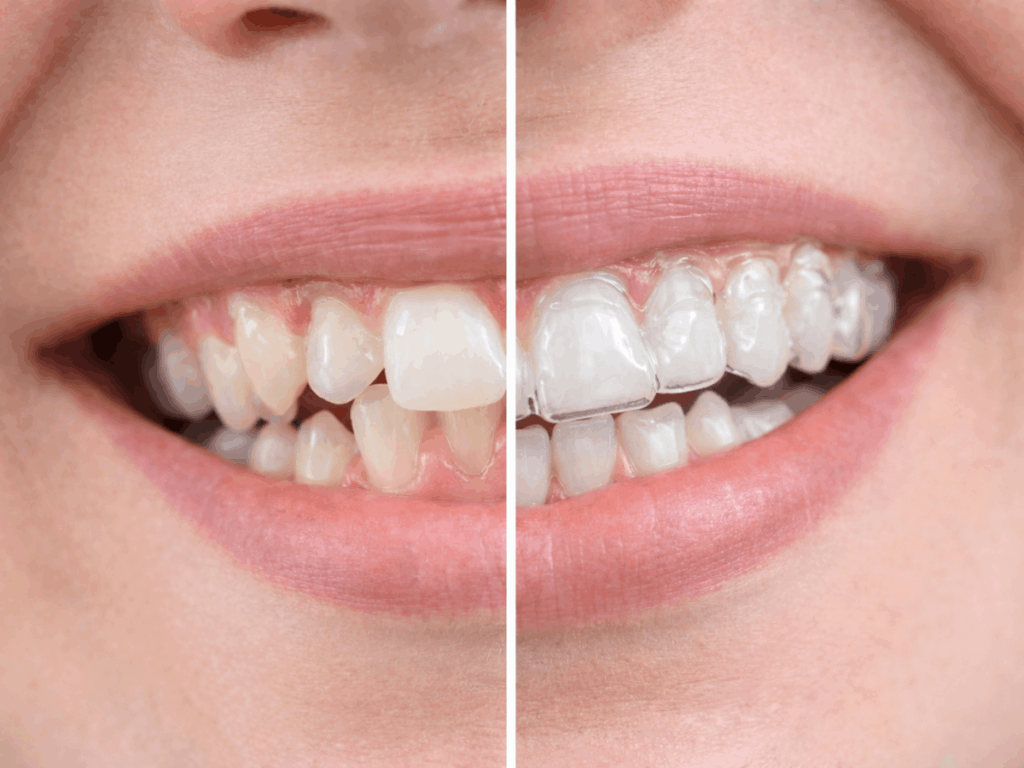
Crooked teeth are not just a “cosmetic thing.” They can affect how you bite, how you clean between teeth, and how confident you feel smiling in photos. And if metal brackets and wires feel like a hard pass, fair.
Invisalign treatment for crooked teeth is often the next step people look at when they want straighter teeth without the braces look. In this guide, we will break down what Invisalign can actually fix, what it cannot, and how it compares to braces so you can make a decision that feels realistic for your teeth and your routine.
At Elizabeth L. Wakim DDS, we use digital scans and detailed smile planning to map out tooth movement and build a treatment plan that matches your bite, comfort, and long-term goals, not just what looks good on paper.
What Does “Crooked Teeth” Really Mean?
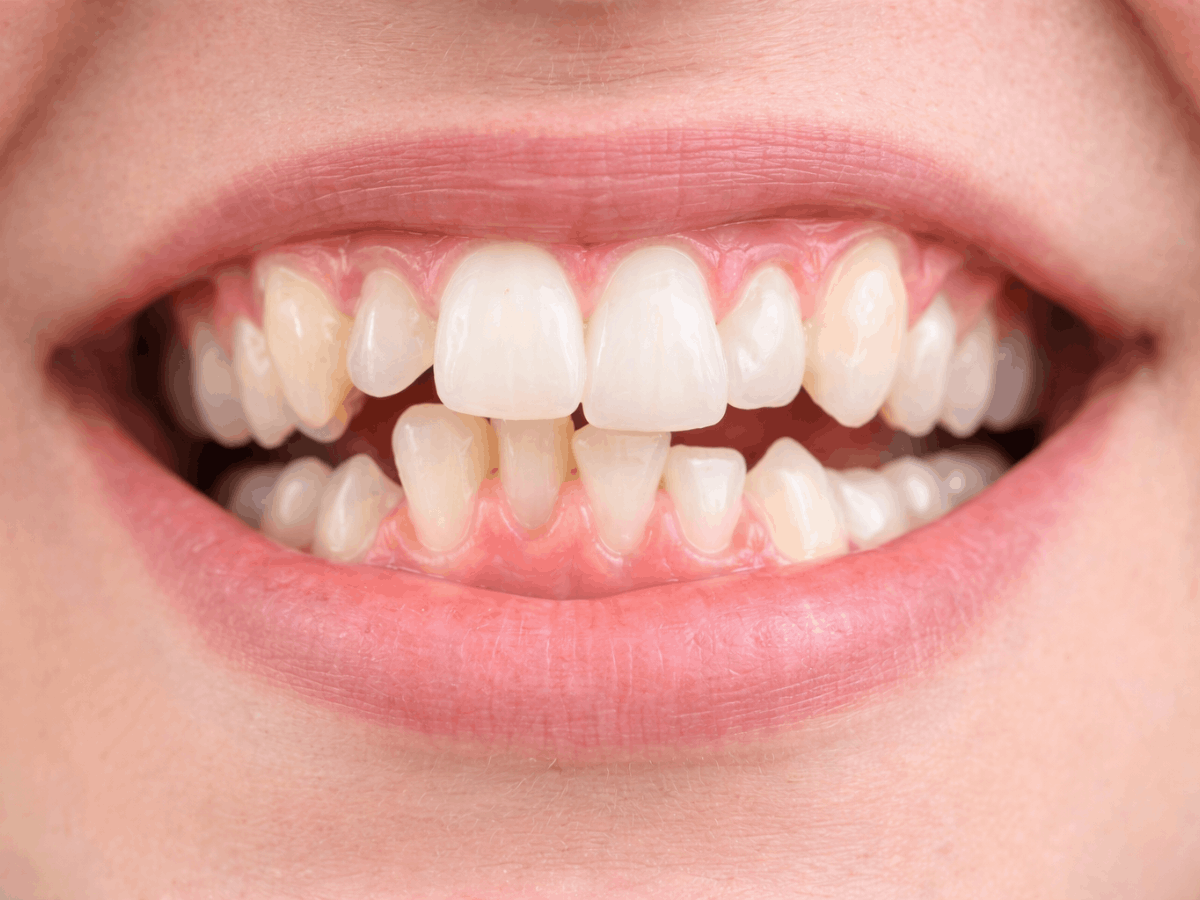
Crooked teeth are extremely common, with research estimating that up to 90% of people have some level of tooth misalignment. “Crooked teeth” is a catch-all term for teeth that are crowded, rotated, spaced out, or slightly out of alignment. It might be one front tooth that shifted over time, or it could be a bigger pattern that affects how your upper and lower teeth fit together.
And it is not just about looks. When teeth overlap or sit at awkward angles, they can be harder to clean properly, which can raise the risk of plaque buildup and gum irritation. Misalignment can also change how your bite hits, leading to uneven wear, sensitivity, or jaw tension over time. Confidence matters too, especially when your smile shows up in every selfie, video call, and group photo.
That is why so many adults choose a more discreet way to straighten their teeth, especially when they are thinking long-term and want their smile to support their overall preventive dentistry goals. They want real results, just without the metal-braces vibe.
How Invisalign Works on Crooked Teeth
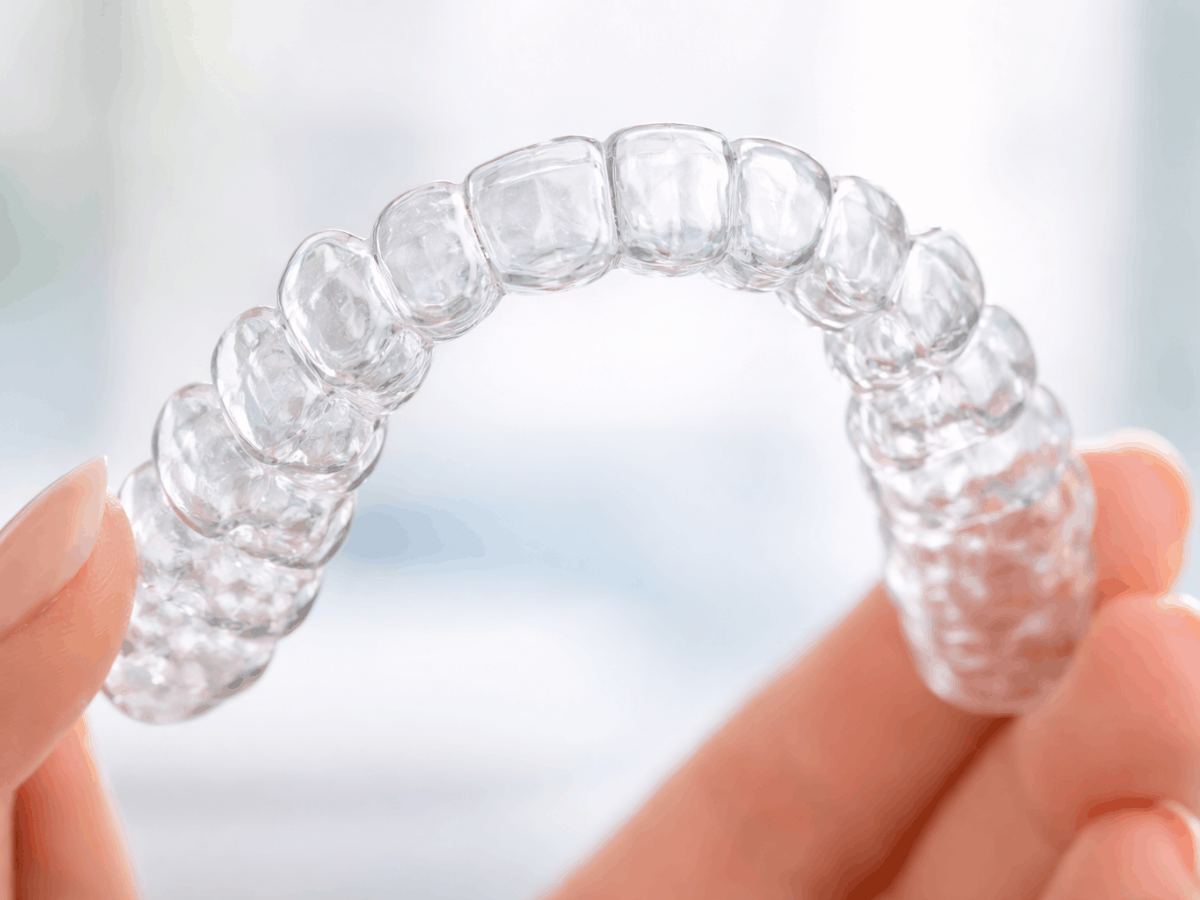
Invisalign straightens crooked teeth using clear, removable aligners that gently guide teeth into better positions over time. Instead of wires and brackets, the treatment relies on a step-by-step series of trays that are designed to move your teeth in small, controlled stages.
The Clear Aligners Explained
With over 20 million people worldwide having used Invisalign, it has become one of the most widely recognized clear aligner options for straightening teeth. Clear aligners are thin, transparent trays that fit snugly over your teeth. They are custom-made to match your smile, and they are designed to be low-profile, so most people will not notice them unless they are really looking
You wear one set of aligners for a short period, then switch to the next set. Each tray is slightly different, and each one pushes certain teeth a little closer to the final alignment.
The Science Behind the Movement
Aligners work by applying gentle, consistent pressure to specific teeth. That pressure signals your teeth to shift gradually, and your bone adapts as the teeth move, which is why there are several smart options to consider when you have crooked teeth.
Before you start, your dentist uses digital scans and 3D planning to map out the full treatment. This makes the process more predictable because the tooth movement is planned in advance, not guessed as you go.
Typical Timeline
Most people change aligners every one to two weeks, depending on the plan. You will usually feel pressure for the first day or two with a new tray, which is normal.
Timeline depends on how much correction you need. Mild crowding can take a few months, while more involved alignment or bite issues can take closer to a year or longer. The biggest factor is wear time, because aligners only work when you actually wear them consistently.
What Kinds of Crooked Smiles Invisalign Can Treat
Invisalign can treat a wide range of crooked teeth, especially when the issue is mild to moderate and mostly involves spacing, crowding, or small bite imbalances. The best way to know if you are a good candidate is a dental exam and digital scan, but these are the most common cases Invisalign is designed for.
Mild to moderate crowding
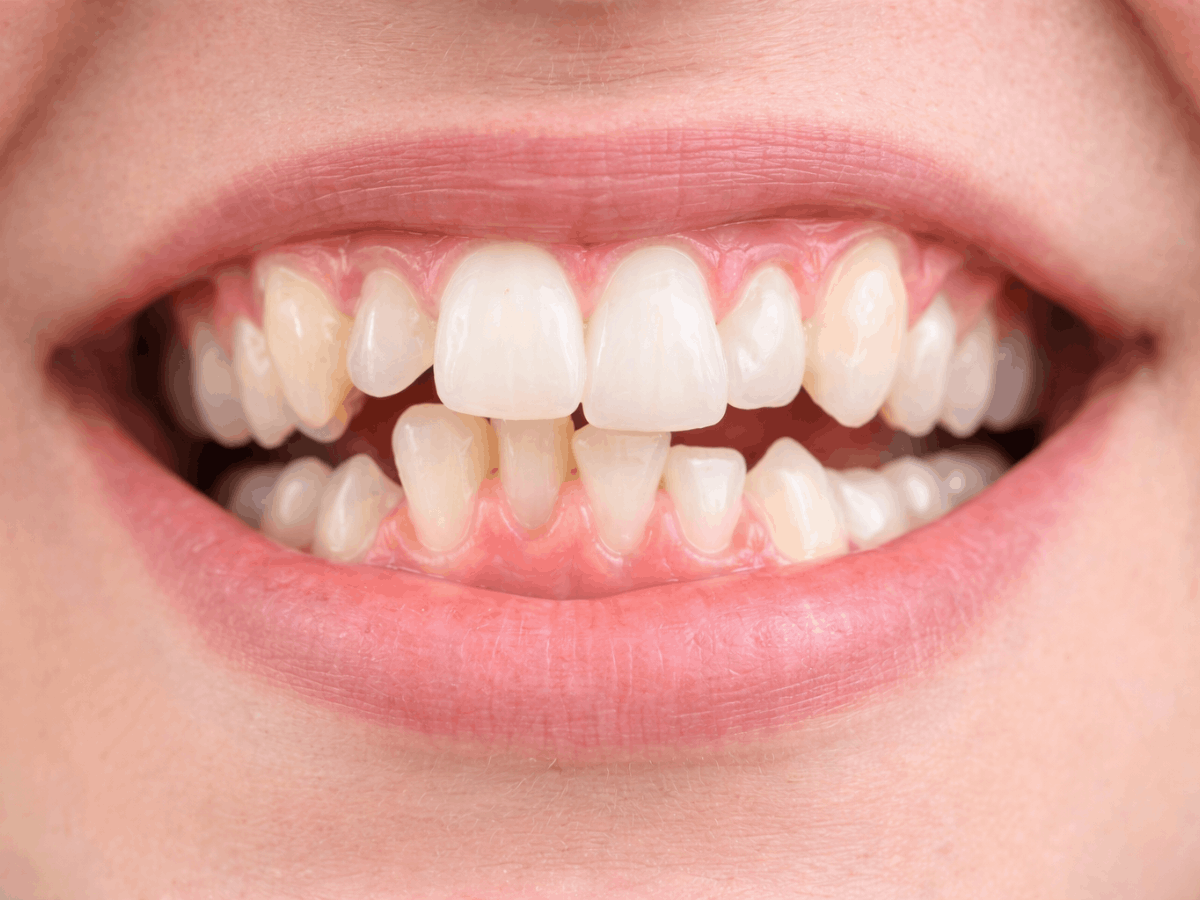
Crowding happens when there is not enough space in your jaw for teeth to line up properly. Teeth may overlap, twist, or sit behind each other. Invisalign can often create better spacing and alignment without brackets and wires.
Gapped or spaced teeth
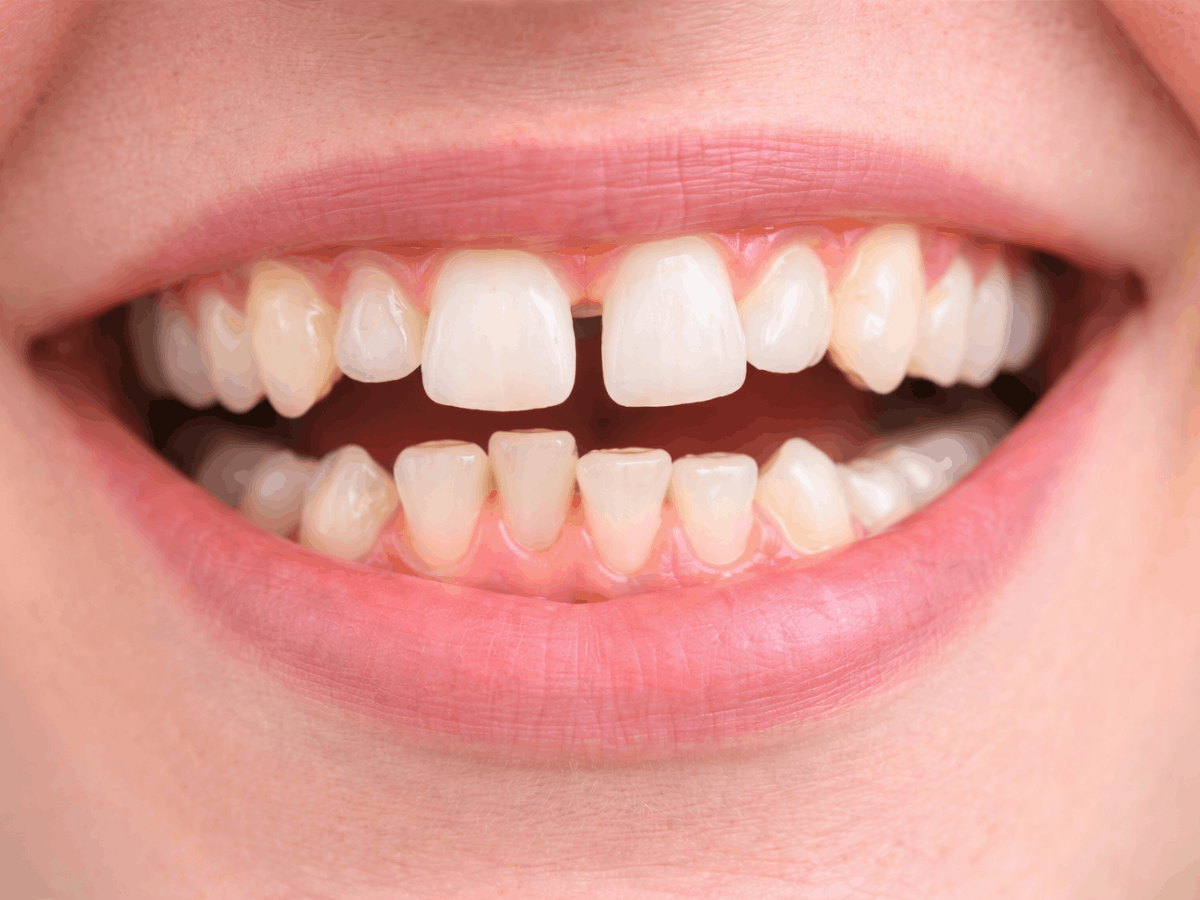
Gaps can happen naturally, from tooth size differences, or from shifting over time. Invisalign can close mild to moderate spacing and improve how your teeth fit together when you bite down.
Rotated teeth
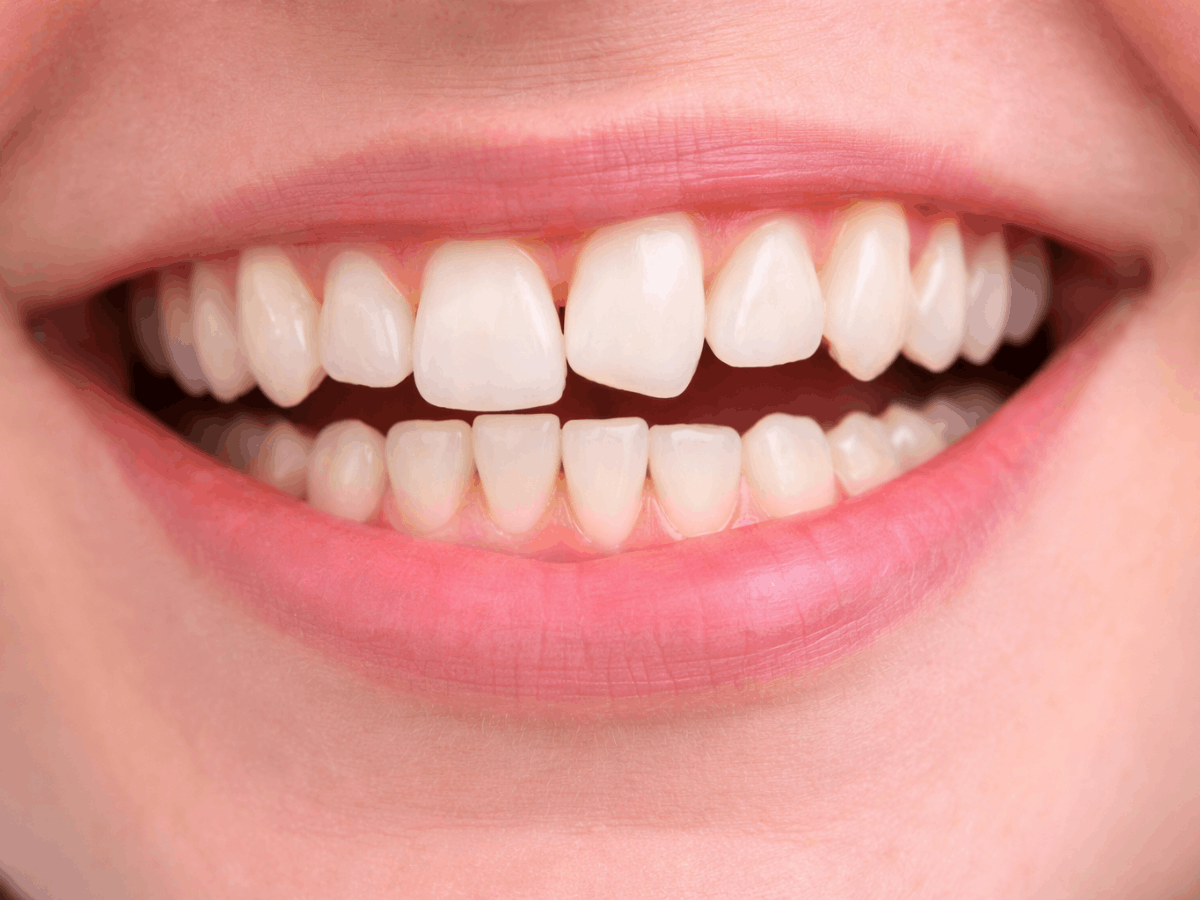
Some teeth rotate slightly as they come in or shift with age. Invisalign can often correct rotations, especially in the front teeth where alignment changes are most noticeable in photos and everyday conversation.
Bite alignment issues paired with crooked teeth
Crooked teeth are often tied to bite concerns, like mild overbite, underbite, or crossbite patterns. Invisalign can help improve alignment and bite function in many cases, depending on how complex the bite issue is.
If the problem involves severe crowding, major jaw alignment issues, or more complex skeletal shifts, traditional braces or a combined orthodontic approach may be more effective, even when the goal is a more polished, confident smile through cosmetic dentistry. In those situations, braces can offer more control for difficult movements that clear aligners may not handle as efficiently.
Care and Maintenance
Invisalign is pretty low-maintenance, but you do need a few solid habits to keep your aligners clear, clean, and actually working the way they are supposed to.
- Clean aligners daily (skip harsh chemicals): Rinse with lukewarm water and gently brush them with a soft toothbrush. Avoid hot water, bleach, or anything abrasive that can warp or scratch the trays.
- Avoid staining from drinks and tobacco: Coffee, tea, red wine, and smoking can stain aligners fast. Keep them out for anything except water, then rinse or brush before putting them back in.
- Store trays in a case, not a napkin: The case keeps them protected and prevents the classic “accidentally threw them away” moment. Bonus tip: pets love chewing aligners.
- Keep routine check-ins: Quick follow-ups help your dentist confirm your teeth are tracking properly and adjust the plan early if anything is off.
With consistent care, your aligners stay clear, comfortable, and on track so your results do not get delayed.
Invisalign Treatment for Crooked Teeth: Your Next Step
If Invisalign feels like the option that fits your lifestyle, the next step is getting a professional evaluation to confirm it is the right match for your teeth, your bite, and your long-term goals. Crooked teeth can look similar in photos but behave very differently in real life, especially when bite alignment, crowding, or gum health are part of the picture. And if cost is part of your decision, it helps to understand your options for financing dental procedures so you can plan comfortably.
At Elizabeth L. Wakim DDS, we use detailed digital planning to create Invisalign treatment plans that feel realistic, comfortable, and customized to your smile. If you are ready to explore your options, contact our Pennsylvania office at (724) 558-8222 or use our contact form to schedule a visit.
FAQ: Invisalign Treatment for Crooked Teeth
Q1: Do I need attachments for Invisalign, and what do they feel like?
A: Maybe. Attachments are small, tooth-colored bumps placed on certain teeth to help Invisalign aligners grip and guide movement more precisely. They support the straightening process by applying gentle pressure in the right direction, and most people adjust to the feel quickly.
Q2: What happens if I forget to wear my aligners for a day?
A: Missing a day once in a while usually will not ruin your orthodontic treatment, but it can slow progress and make the next tray feel tighter. Since aligners work through continuous pressure, consistency matters. The best move is to get back to wearing aligners as directed so your teeth with Invisalign keep moving toward their desired position.
Q3: Can Invisalign fix crooked teeth if I have crowns, veneers, or bonding?
A: Often, yes. Invisalign can still help straighten teeth with restorations, but your dentist will evaluate how well the aligners can grip and move each tooth. Planning is key, especially for upper front teeth, where small shifts can make a big difference in both function and appearance, similar to how even one tooth change can impact your smile when a missing tooth is affecting your smile.
Q4: Will Invisalign change the shape of my face or jawline?
A: Invisalign mainly moves teeth into the correct place, not your jawbone structure. Some people notice subtle changes in their smile or profile once misaligned teeth are corrected, but dramatic facial changes are not typical. If there are severe misalignment issues involving the lower jaw, other orthodontic treatments may be more appropriate.
Q5: Can Invisalign help if my teeth shifted after braces?
A: Yes. Many patients use Invisalign after traditional metal braces when teeth shift due to inconsistent retainer wear or other factors. It can be an effective option for relapse, especially when crowding returns in the lower front teeth or the upper teeth begin to drift. Keeping up with oral hygiene and making sure you still brush and floss well during treatment helps protect your long-term oral health.

Dr. Elizabeth Wakim, DDS, is the founder of Enhanced Wellness. She’s a compassionate and highly-regarded dentist with her own practice in Washington, Pennsylvania, known for providing modern, comprehensive dental care, botox and facial aesthetics with a focus on patient comfort and anxiety reduction, serving general, cosmetic, and pediatric dentistry needs.