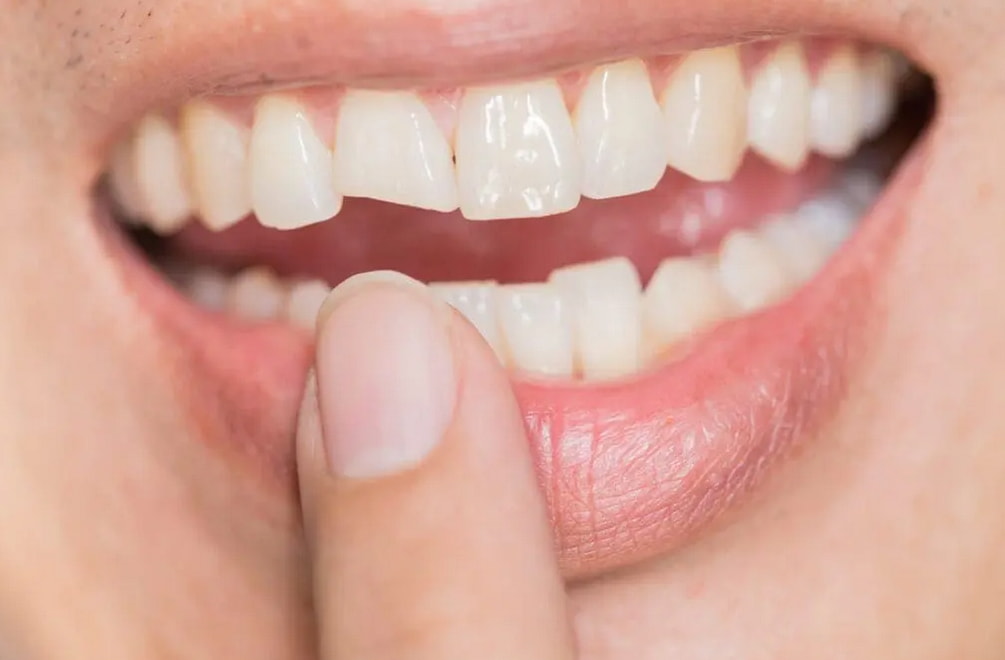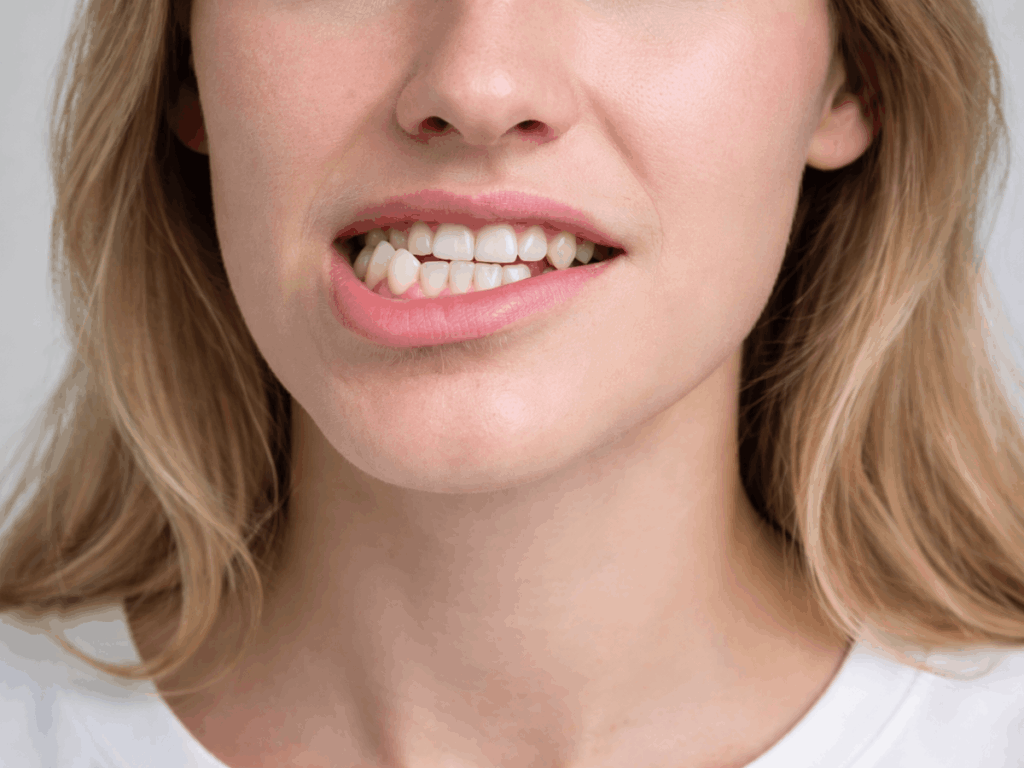
An underbite is not just a “bite thing” your dentist notices and you forget about. It can change how your smile looks in photos, how your jaw feels after a long day, and even how comfortably you chew certain foods. For a lot of people, it also comes with subtle signs like uneven tooth wear, jaw tension, or feeling like your teeth do not fit together the way they should.
The good news is that invisalign underbite treatment may be an option for some mild to moderate cases. The good news is that invisalign underbite treatment may be an option for some mild to moderate cases,
At Elizabeth L. Wakim DDS, we use advanced digital scanning and detailed bite evaluations to create personalized Invisalign treatment plans that focus on both aesthetics and long-term comfort. If you are exploring options to improve your bite and protect your smile, our team is here to guide you through the process with a plan tailored to your needs.
What Is an Underbite?
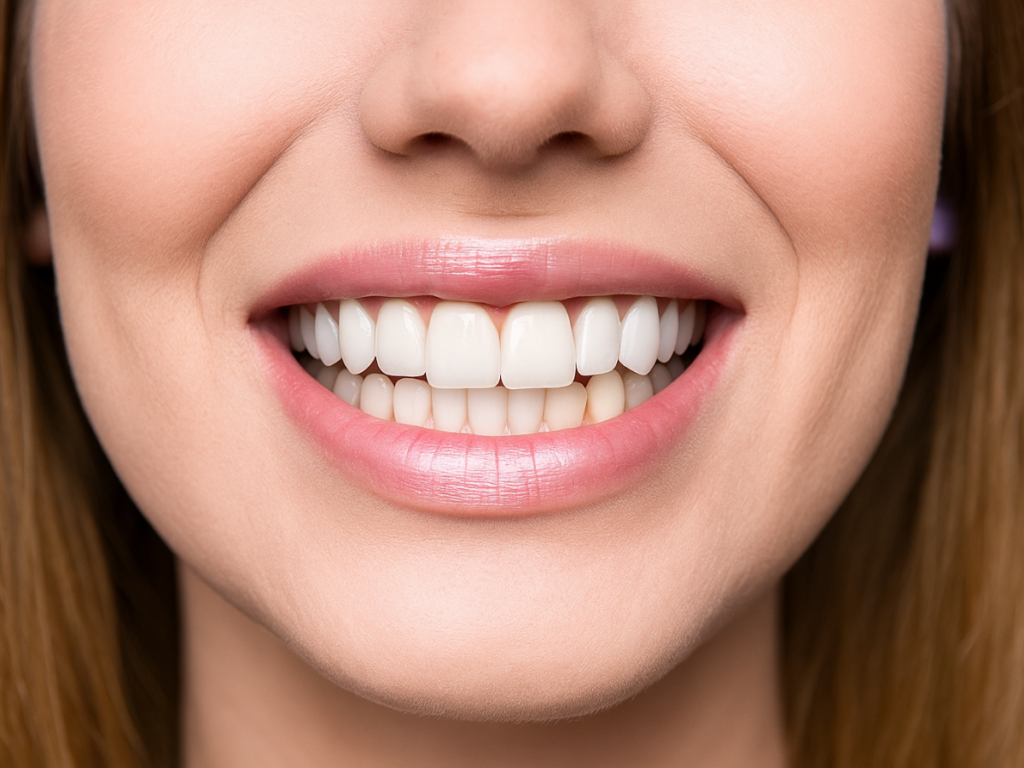
Underbites affect an estimated 5 to 10 percent of people worldwide, so it is a lot more common than most patients realize. An underbite happens when your lower front teeth sit in front of your upper front teeth when your mouth is closed. In some cases, it is subtle and barely noticeable. In others, it can change your facial profile and affect how your bite feels day to day.
Underbite vs Overbite vs Crossbite
These bite issues get mixed up a lot, but they are not the same, and the difference matters when you are trying to fix underbite problems the right way, especially if you have crooked teeth that are affecting how your bite fits together.
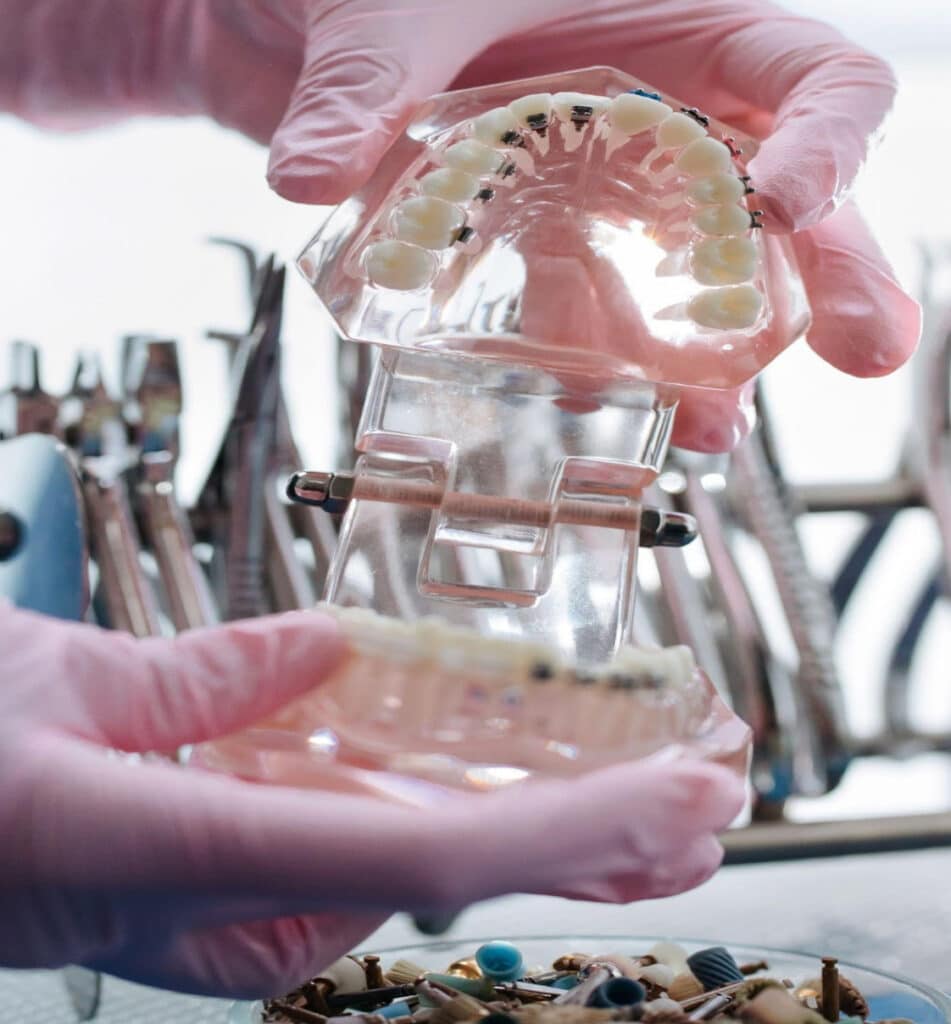
- Underbite: The lower teeth protrude in front of the upper teeth, creating a misaligned bite that can affect chewing and smile balance.
- Overbite: The upper teeth overlap the lower teeth more than normal, which can sometimes contribute to wear or jaw strain.
- Crossbite: One or more upper teeth bite inside the lower teeth, often on one side, which can lead to uneven pressure and shifting over time.
What Causes an Underbite?
Underbites can develop for a few different reasons, and the cause often affects which treatment options make the most sense.
Genetics
Jaw shape and bone structure can run in families, which is why many underbites are inherited. If a parent has a misaligned bite, you may be more likely to develop similar misaligned teeth and need underbite correction later on.
Childhood Habits
Bad oral habits like thumb sucking, tongue thrusting, or prolonged pacifier use can affect how the jaws develop and how teeth erupt into place. Over time, this can contribute to a bite where the lower teeth protrude, leading to chewing difficulties and the need for orthodontic treatments.
Jaw Growth Patterns
Sometimes the lower jaw grows forward more than the upper jaw, creating jaw misalignment that becomes more noticeable as the face develops. In these cases, the best treatment plan may involve more than removable aligners, since some skeletal underbites require surgical intervention for full correction.
Once you understand what is causing your underbite, it becomes much easier to choose the right treatment and work with your dentist on a preventative dentistry plan that protects your bite, supports overall oral health, and helps you achieve the outcome you want.
Can Invisalign Fix an Underbite?
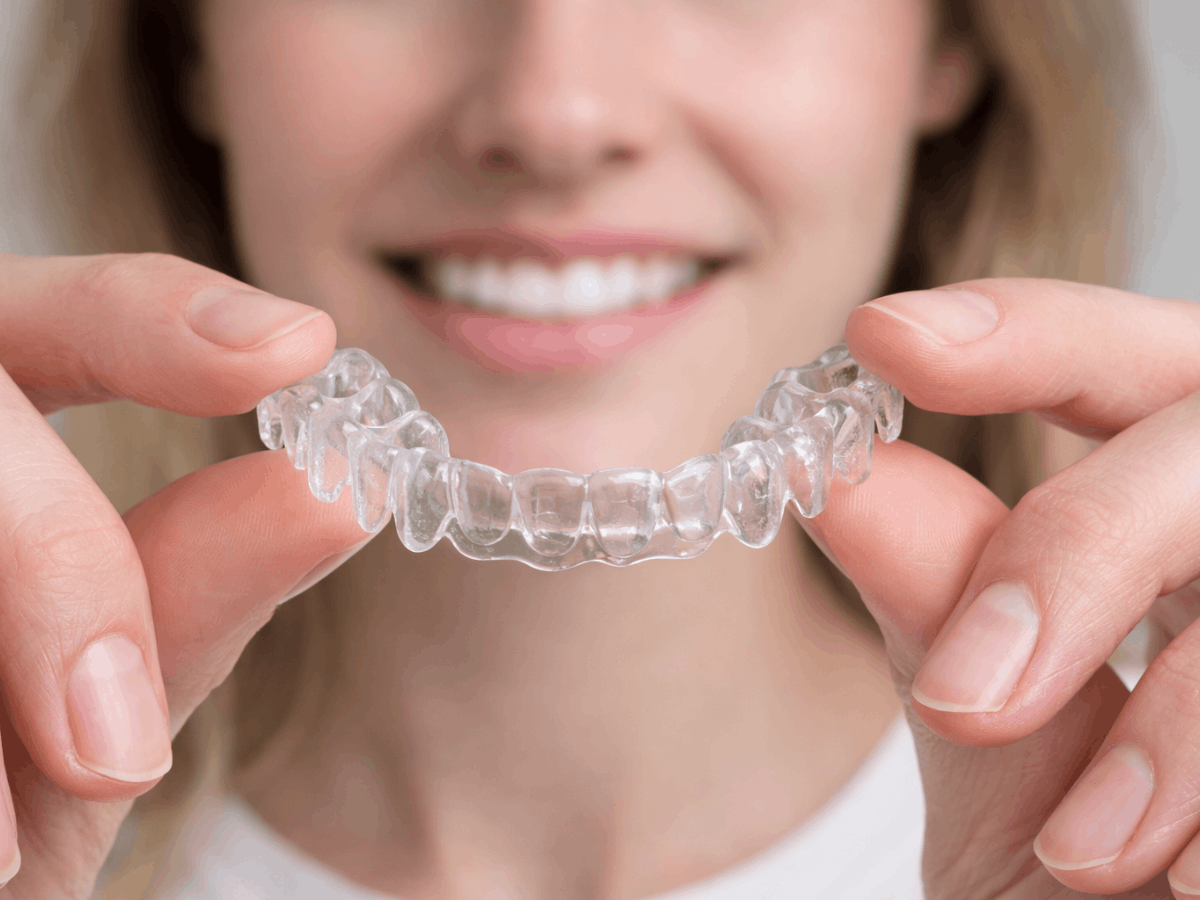
Yes, Invisalign can fix an underbite in many mild to moderate cases, especially when the issue is mainly caused by tooth positioning rather than a larger jaw imbalance. The key is understanding what Invisalign can move, and what it cannot.
Invisalign vs Traditional Braces: What’s the Difference?
Invisalign had been used by over 17 million patients worldwide, including about 4.5 million teens, with patient satisfaction reported around 96 percent. Both Invisalign and braces straighten teeth, but they do it differently.
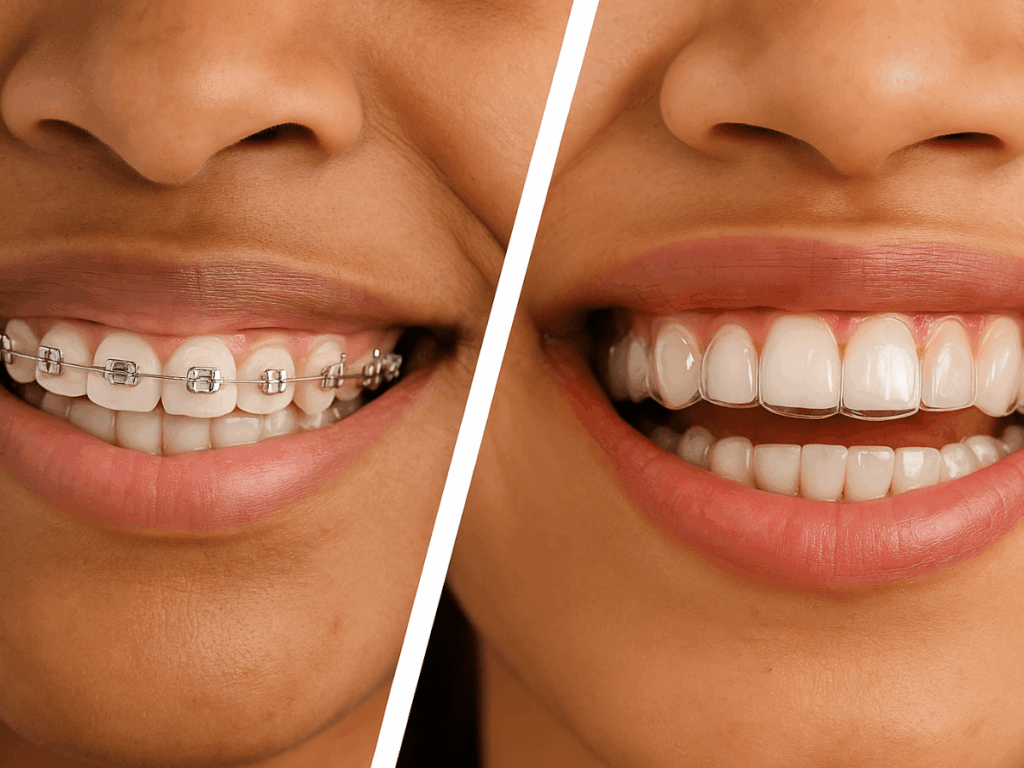
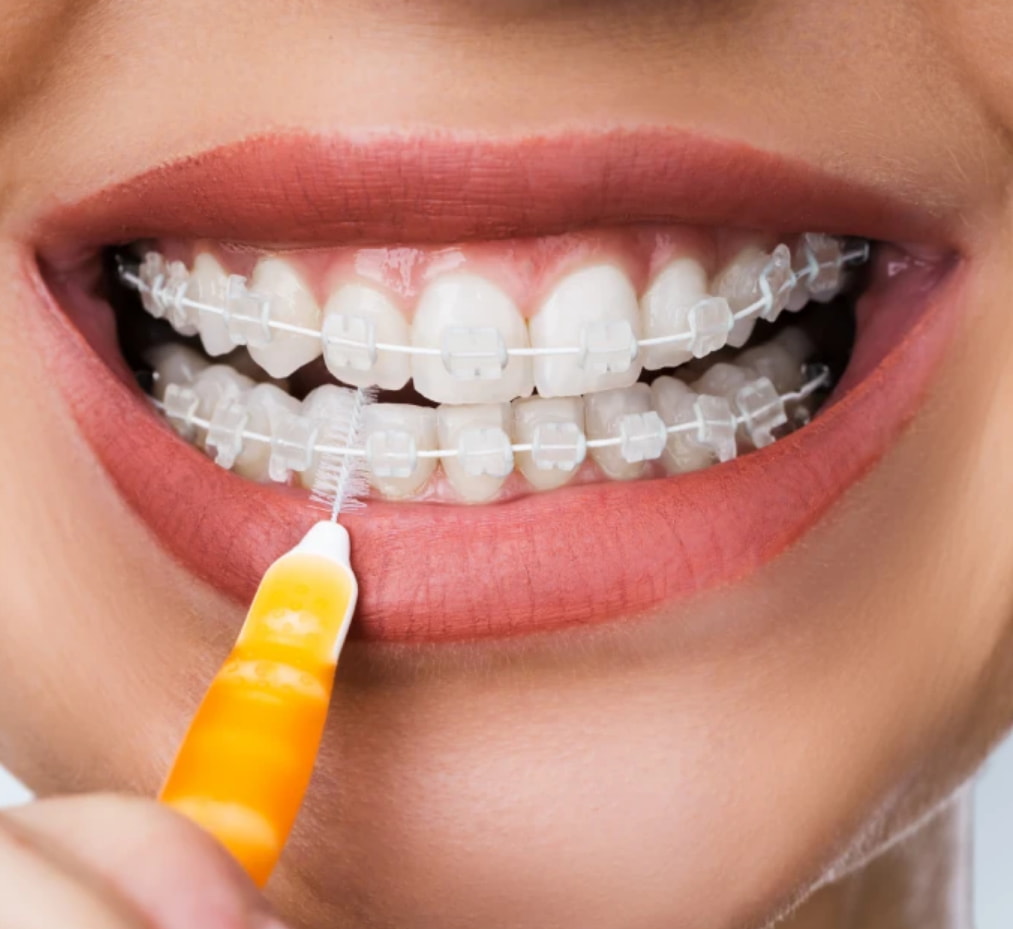
- Traditional braces use brackets and wires to apply continuous force, which can be helpful for more complex tooth movements.
- Invisalign uses a set of custom clear aligners that apply gentle, controlled pressure in stages, gradually shifting teeth into a healthier position.
For many patients, Invisalign is appealing because it is discreet, removable, and easier to keep clean, but it is not the only path forward. There are also affordable cosmetic dentistry options to improve confidence depending on your goals, timeline, and budget. Still, Invisalign needs consistent wear to work.
How Invisalign Moves Teeth in Underbite Cases
Invisalign had been used by over 17 million patients worldwide, including about 4.5 million teens, with patient satisfaction reported around 96 percent. In mild to moderate underbites, the issue is often tooth position rather than jaw structure. Invisalign can gradually reposition the upper and lower teeth so they fit together more comfortably. This improves bite function and appearance without changing the jawbone itself. For dental underbites, this approach can be very effective.
Understanding how Invisalign works helps set realistic expectations. While it is not the right solution for every underbite, clear aligners can be a comfortable and discreet option for many patients when the case is carefully planned.
Who Is a Good Candidate for Invisalign Underbite Treatment?
Not every underbite needs the same kind of correction, and not every case is a match for clear aligners. The best way to know for sure is with a professional bite evaluation, but there are a few signs that invisalign underbite treatment may be a good fit.
Mild to Moderate Underbites
Invisalign tends to work best when the underbite is caused mainly by tooth position. If the lower teeth sit slightly forward but the jaw structure is fairly balanced, aligners can often guide the bite into a healthier alignment.
Healthy Gums and Bone Support
Clear aligners move teeth through the bone, so gum health matters. If there is active gum disease, significant inflammation, or bone loss, treatment may need to start with stabilizing your oral health first.
You Can Commit to Wearing Aligners
Invisalign only works if you wear it consistently, usually 20 to 22 hours a day. If you know you will take aligners out often or forget to put them back in, results may be slower or less predictable.
A good candidate is not just about how your teeth look. It is about how your bite functions, how healthy your foundation is, and what results are realistically achievable.
When Invisalign Alone May Not Be Enough
About 35 percent of adults are estimated to have naturally well-aligned teeth, which means bite issues like malocclusion are extremely common. If your underbite is severe, causing jaw discomfort, or affecting function, the best results often come from a combined approach. That may include working with an orthodontist, and in some cases, an oral surgeon, to correct both alignment and jaw position.
Depending on your case, your dentist or orthodontist may suggest:
- Metal braces for stronger control of complex movements and better correction when teeth need to shift into more precise positions
- Surgical orthodontics (jaw surgery) for severe underbites caused by jaw structure, especially when aligners cannot fully bring the upper teeth forward into proper alignment
- Elastics with braces or Invisalign aligners to guide the bite more effectively and help correct underbites during the Invisalign treatment process
The goal is not just straighter teeth. Through modern restorative dentistry, the focus is a bite that feels comfortable, functions well, and holds up long-term.
Invisalign Underbite Treatment: Clear Aligners, Clear Expectations
Invisalign underbite treatment can be a great option for mild to moderate cases, especially when the issue is mostly tooth positioning. The right plan comes down to your bite structure, your oral health, and what results are realistically achievable. Since many patients are also weighing the pros and cons of braces and Invisalign, a personalized evaluation is the best way to confirm whether clear aligners can correct your underbite or if a combined approach will give you a better long-term outcome.
Our team is committed to helping you protect your smile with gentle, personalized care. If you are considering invisalign underbite treatment and want clear answers about your bite, your timeline, and your best options, we are here to help. Contact our Pennsylvania office at (724) 558-8222 or use our contact form to schedule a visit and get a treatment plan tailored to your needs.

Dr. Elizabeth Wakim, DDS, is the founder of Enhanced Wellness. She’s a compassionate and highly-regarded dentist with her own practice in Washington, Pennsylvania, known for providing modern, comprehensive dental care, botox and facial aesthetics with a focus on patient comfort and anxiety reduction, serving general, cosmetic, and pediatric dentistry needs.