Jowls: What Causes Them, How to Get Rid of Them Without Surgery, and What Actually Works
Noticing a softer jawline or sagging below the corners of your mouth? Dr. Liza Wakim explains what causes jowls, what non-surgical treatments can and cannot do, and why your teeth and bite can be part of the picture.

Jowls tend to creep up quietly. One day a photo from a slightly different angle shows a softer jawline than you remember, or the line below the corners of your mouth looks heavier. It is one of the most common concerns I hear from patients in their 40s, 50s and 60s.
I look at jowls a little differently from many aesthetic providers, because I work on the lower face every day, including the teeth and jaw that support it. In this post I will explain what causes jowls, what actually helps, and when a surgical consultation is the honest answer.
The short version
- Jowls come from a mix of volume and bone loss, loosening ligaments, thinner skin and, in some people, tooth loss.
- Non-surgical options like jawline filler, Botox for the neck muscles and laser skin tightening can improve mild to moderate jowls.
- They cannot fully lift heavy, loose skin; that is when surgery is often the better option.
- Sunscreen, not smoking, a stable weight and replacing missing teeth help slow them down.
What are jowls?
Jowls are the softening or sagging of skin and tissue along the lower jawline, below the corners of the mouth. They blur the clean line of the jaw and can make the lower face look heavier or more square. They are a normal part of facial aging, and almost everyone develops some degree of them over time.
What causes jowls

Can you get rid of jowls without surgery?
For mild to moderate jowls, often yes, or at least soften them noticeably. Here is how the main options compare:
Jawline and chin filler

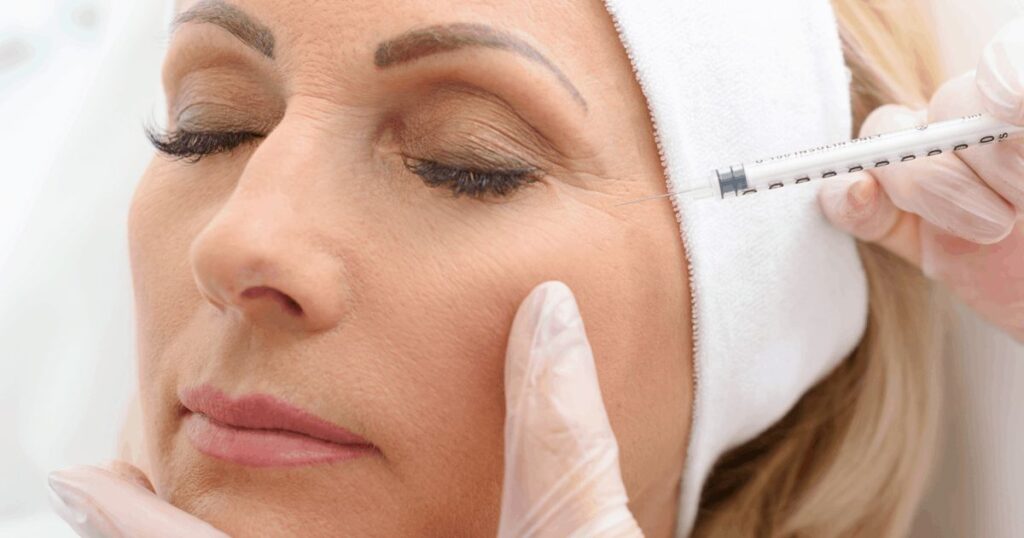
Hyaluronic acid filler placed along the jawline and chin can restore structure and make jowls less noticeable. It works by rebuilding support, not by tightening skin, so results depend on how much laxity there is. The FDA notes that fillers are temporary and that swelling and bruising are common side effects. See my posts on dermal fillers before and after and cheekbone filler, since cheek support often helps the jawline too.
Botox for jowls and platysma bands
The platysma is a thin muscle in the neck that pulls the lower face downward. Relaxing it can give a subtle lift along the jaw. The BOTOX Cosmetic prescribing information now includes vertical neck bands among its approved cosmetic uses. For jowls specifically, the effect is modest, and it works best combined with other treatments.
Laser skin tightening
Laser treatments can improve skin firmness and texture along the jaw and neck. They do not replace lost volume, so they are usually part of a combination plan. Learn more about NeckLase.
Skincare: what retinoids and sunscreen can and can’t do
Daily sunscreen and retinoids can improve skin quality and slow further collagen loss. They will not lift jowls that have already formed.
Face exercises: what the evidence says
There is little high-quality evidence that facial exercises reverse jowls. They are unlikely to hurt, but they cannot replace lost volume or tighten loose skin.
When surgery is the better answer

When there is significant loose skin, non-surgical treatments reach their limit. Adding more filler to heavy jowls can make the lower face look heavier, not lifted. In those cases, I recommend a consultation with a facial plastic surgeon to discuss a lower face or neck lift. An honest referral is better than a result that disappoints.
How to prevent jowls
- Wear sunscreen every day, including on the neck
- Don’t smoke
- Keep a stable weight where you can
- Replace missing teeth and keep an eye on worn teeth and old dentures
- Start skin care, like retinoids, early
Genetics still play a large part, so prevention slows jowls rather than stopping them completely.
When to see a provider
Book a consultation if jowls bother you, if you want to know which option fits your face, or if you have missing teeth, worn teeth or an old denture and wonder whether it is affecting your jawline. Learn more about our filler injections. If you also notice lines running down from the mouth corners, my post on marionette lines covers those.
Frequently asked questions
What are jowls?
Jowls are the softening or sagging of skin and tissue along the lower jawline, below the corners of the mouth. They are a normal part of facial aging and develop as volume, bone, ligament support and skin elasticity change over time.
What causes jowls?
Loss of bone and fat volume, weakening of the ligaments that hold facial tissue in place, and thinning skin. Sun exposure, weight changes and genetics play a role, and tooth loss or an old denture can make jowls more noticeable.
Can fillers fix jowls?
Filler placed along the jawline and chin can restore structure and make jowls less visible in suitable patients. It does not tighten loose skin, so results depend on how much laxity there is. Heavy jowls may need surgery instead.
Does Botox help jowls?
Botox can relax the platysma muscle that pulls the lower face down, which may give a subtle lift along the jawline. It works best for mild cases and is often combined with filler or skin tightening.
Do face exercises get rid of jowls?
There is little high-quality evidence that face exercises reverse jowls. They are unlikely to hurt, but they will not replace lost volume or tighten loose skin.
Can you prevent jowls?
Daily sunscreen, not smoking, a stable weight and replacing missing teeth all help. Genetics still play a large part, so these steps slow jowls rather than stop them.
Find out what will work for your jawline
If you are in or around Washington, PA, you can request a consultation at Enhanced Wellness or call us at (724) 225-5070. Results vary, and we will give you an honest plan, including a surgical referral if that is the better choice.
Sources
- U.S. Food and Drug Administration. Dermal fillers (soft tissue fillers).
- BOTOX Cosmetic (onabotulinumtoxinA) prescribing information. DailyMed.
- Quantitative 3D evaluation of facial soft tissue modifications following complete denture treatment. PubMed Central.
- Mohindra NK, Bulman JS. The effect of increasing vertical dimension of occlusion on facial aesthetics. Br Dent J. 2002.
Noticing a softer jawline?
Dr. Liza looks at the whole lower face, including your teeth and bite, and gives you an honest plan: filler, Botox, laser, a combination, or a surgical referral if that is the better choice.

Dr. Elizabeth Wakim, DDS, is the founder of Enhanced Wellness. She’s a compassionate and highly-regarded dentist with her own practice in Washington, Pennsylvania, known for providing modern, comprehensive dental care, botox and facial aesthetics with a focus on patient comfort and anxiety reduction, serving general, cosmetic, and pediatric dentistry needs.