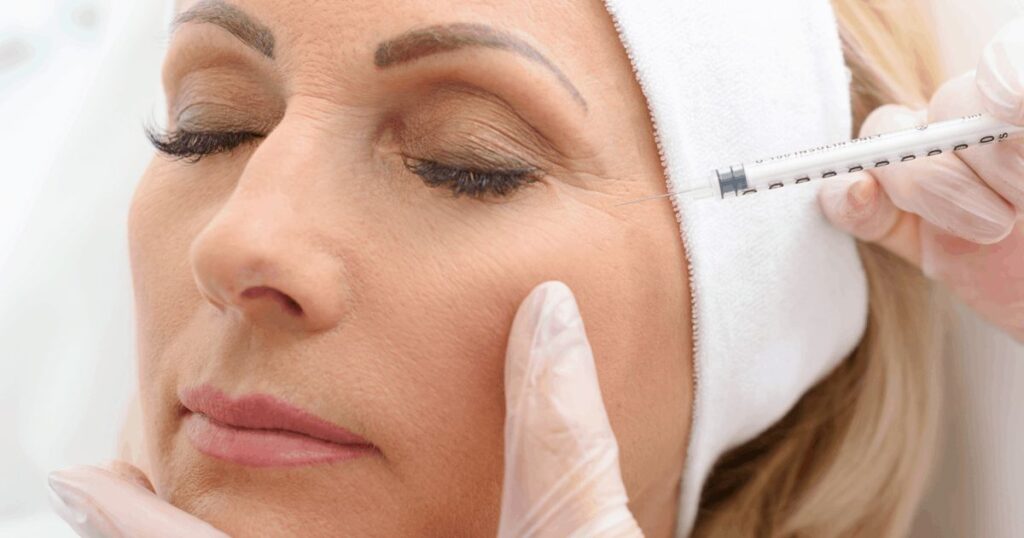
Botox for TMJ and Teeth Grinding: What a Dentist Can Do That Most People Don’t Know About
Botox isn’t just cosmetic. Dr. Liza Wakim — AAFE-certified provider — explains how masseter Botox treats TMJ disorder and teeth grinding, how many units are needed, what it costs, and whether insurance covers it.
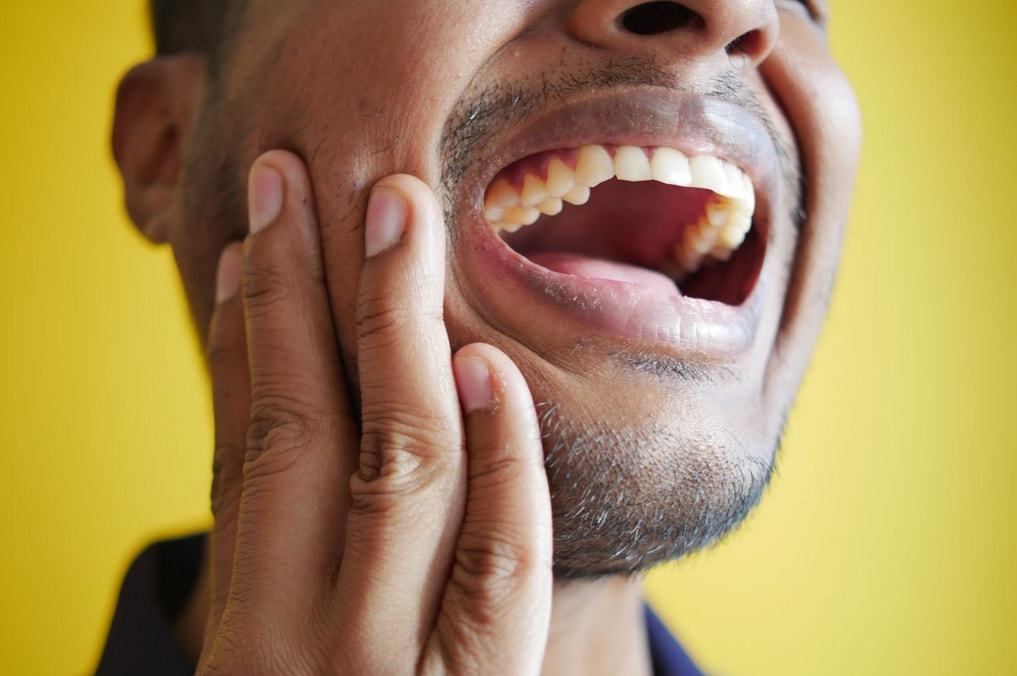
Most people associate Botox with cosmetic treatments — smoothing lines, softening wrinkles, refreshing the appearance of the face. Fewer people know that one of its most clinically useful applications has nothing to do with aesthetics at all.
Botox injected into the masseter muscle — the large, powerful muscle on either side of the jaw responsible for chewing and, in many people, chronic clenching and grinding — can provide meaningful, lasting relief for TMJ disorder and bruxism in patients who haven’t found adequate help through other means. If you suffer from frequent TMJ flare ups, it could be an option for you.
I offer this treatment at Enhanced Wellness as part of my scope as an AAFE-certified provider, and I find myself explaining it to patients regularly — both those who’ve heard about it and are curious, and those who had no idea it was an option at all. This article is for both groups.
What masseter Botox actually does
Botox — botulinum toxin type A — works by temporarily blocking the nerve signals that cause a muscle to contract. When injected into the masseter, it reduces the muscle’s ability to generate the full force it would otherwise apply. The muscle doesn’t stop working — you can still chew, speak, and function normally. It simply can’t contract as powerfully or as persistently.
For patients whose TMJ symptoms and tooth damage are driven primarily by the force of clenching and grinding, this reduction in muscle activity translates directly into relief. Less force means less pressure on the temporomandibular joint, less wear on the tooth surfaces, and — for most patients — a significant reduction in the jaw pain, headaches, and muscle soreness that go with the territory of chronic bruxism.
The effect is temporary. Botox metabolizes over time, and the treatment typically needs to be repeated every three to six months to maintain results. For many patients, however, the relief during that window is substantial enough to make it a worthwhile part of their management plan — and some patients find that with repeated treatment, the masseter muscle gradually reduces in size and the grinding habit itself diminishes.
Who this treatment is for
Masseter Botox for TMJ and bruxism isn’t the right fit for every patient — but for the right patient, it’s one of the most effective tools I have.
It tends to work best for patients who:
- Have been diagnosed with bruxism or TMJ disorder and whose symptoms are significantly driven by muscle overactivity — clenching force, grinding, muscle tension
- Have tried conservative measures — nightguards, physical therapy, stress management — with incomplete results
- Experience significant jaw pain, temple headaches, or morning soreness that correlates with nighttime grinding
- Want a non-surgical, non-pharmaceutical option for managing symptoms
- Are interested in the dual benefit of symptom relief and facial slimming — masseter Botox reduces both the force of the muscle and, over time, its visible bulk, which can slim the lower face
It is not a replacement for a nightguard in most cases — I typically recommend both, since a nightguard protects the tooth surfaces while Botox reduces the underlying muscle force. They complement each other rather than substitute.
What the procedure involves
The treatment itself is straightforward and takes place in the office, typically in 15 to 30 minutes.
I identify the masseter muscle on each side of the jaw — usually by asking the patient to clench so I can feel the muscle bulk — and mark the injection sites. A fine needle is used to deliver several small injections into the muscle on each side. Most patients describe the sensation as a brief sting with each injection — uncomfortable for a moment, but not significantly painful. No anesthesia is required, though a topical numbing cream can be applied beforehand for patients who are sensitive to injections.
Afterward, there’s no meaningful downtime. Patients typically return to their normal day immediately. I ask patients to avoid rubbing or massaging the area for a few hours after treatment and to stay upright for a short period, but there are no major restrictions.
How many units are needed
This is one of the questions I get most often. The answer varies by patient — the size and strength of the masseter muscle differs significantly from person to person, and the appropriate dose reflects that.
For TMJ and bruxism treatment, the typical range is 20 to 30 units per side — so 40 to 60 units total for both sides of the jaw. Patients with particularly large or hypertrophic masseter muscles — which is common in heavy grinders, because the repeated use builds the muscle over time — may need doses toward the higher end of that range to achieve full effect.
I assess the appropriate dose during the consultation, where I can evaluate the muscle size and discuss your specific symptoms and goals. Starting conservatively and adjusting at follow-up is always an option, and I prefer an accurate assessment to a generic protocol.
When does it start working, and how long does it last?
Botox doesn’t produce immediate results — the nerve blocking effect develops gradually over the first one to two weeks after injection. Most patients notice a meaningful difference in jaw tension and morning soreness within two weeks, with full effect typically reached at around four weeks.
The results last three to six months for most patients, after which the muscle activity gradually returns and a repeat treatment is needed to maintain relief. With consistent treatment over time, some patients find they need slightly less product as the muscle responds to repeated relaxation — though this varies.
Does insurance cover it?
This is the question I want to answer honestly, because I’ve seen patients make assumptions in both directions.
Botox for TMJ and bruxism occupies an interesting insurance category. It is used therapeutically — for a documented medical condition — which means some insurance plans do provide partial coverage, particularly when a diagnosis of TMJ disorder or bruxism is established and conservative treatments have been tried first. However, coverage is inconsistent. Many plans still categorize masseter Botox as cosmetic regardless of the clinical indication, and deny claims accordingly.
My recommendation is to contact your insurance provider directly before scheduling, ask specifically whether therapeutic Botox for TMJ or bruxism is a covered benefit under your plan, and get that answer in writing if possible. I’m happy to provide the clinical documentation to support a coverage request — but I want patients to have accurate expectations rather than assuming it will or won’t be covered without checking.
How it’s different from cosmetic Botox
The injection technique, dosing, and goals are all different for masseter Botox compared to cosmetic Botox used for wrinkles.
Cosmetic Botox in the upper face — forehead lines, crow’s feet — uses small doses targeted at superficial muscles to reduce visible movement. Masseter Botox uses larger doses targeted at a much bigger, stronger muscle for functional rather than aesthetic purposes. The skill involved isn’t just in placing the injection accurately but in understanding the muscle anatomy, the appropriate dose range, and the balance between achieving therapeutic effect and avoiding unintended changes to bite or facial appearance.
This is why I’m specific about my AAFE certification when discussing this treatment. Facial injections delivered without a thorough understanding of the underlying anatomy — nerve locations, muscle attachments, the relationship between jaw muscles and facial structure — carry real risk of unintended outcomes. Training matters here in a way that goes beyond simply knowing how to use a needle.
A note on the cosmetic side effect
I mentioned earlier that masseter Botox, used consistently over time, reduces not just the force but the bulk of the masseter muscle. For some patients, this is an unwanted side effect — they don’t want their face shape to change. For others, it’s a welcome secondary benefit — a slimmer, softer lower face contour without surgery.
I discuss this with every patient before treatment so there are no surprises. The effect develops gradually over multiple treatments and is fully reversible if someone decides they want to discontinue — the muscle gradually returns to its previous size when treatment stops. I’ve written about the cosmetic application of jaw slimming Botox separately for patients who are primarily interested in that angle.
Ready to find out if this is right for you?
If you’ve been dealing with jaw pain, chronic headaches, morning soreness, or tooth wear from grinding and haven’t found adequate relief through other approaches, masseter Botox may be worth a conversation. I serve patients in Washington, PA and the greater Pittsburgh area, and I’m happy to assess whether this treatment fits your specific situation.
Washington, PA & Pittsburgh
Wondering if masseter Botox is right for your TMJ symptoms?
Dr. Liza will assess your specific symptoms, muscle profile, and treatment history — and give you an honest recommendation on whether this is the right next step.

Dr. Elizabeth Wakim, DDS, is the founder of Enhanced Wellness. She’s a compassionate and highly-regarded dentist with her own practice in Washington, Pennsylvania, known for providing modern, comprehensive dental care, botox and facial aesthetics with a focus on patient comfort and anxiety reduction, serving general, cosmetic, and pediatric dentistry needs.