Dental Anxiety Is Real — Here’s How We Make Difficult Appointments More Manageable
Dental anxiety is one of the most common reasons people avoid care — and one of the most treatable. Dr. Liza Wakim explains how Enhanced Wellness approaches anxious patients differently.

If you’ve been avoiding the dentist because the thought of it fills you with dread — you’re not unusual, and you’re not being dramatic. Dental anxiety is one of the most common forms of situational anxiety there is. Estimates suggest somewhere between 10 and 20 percent of adults avoid dental care specifically because of fear, and a much larger percentage experience significant anxiety even when they do go.
The consequences of avoidance are real: problems that could have been caught and treated simply become complicated and expensive ones. Teeth that could have been saved are lost. And the anxiety itself compounds — every avoided appointment makes the next one feel more daunting, because whatever was developing continues to develop in the meantime.
I want to talk about this directly, because I think it’s one of the most important conversations a dental practice can have with patients who aren’t currently coming in. Not a sales pitch. A genuine explanation of what we do at Enhanced Wellness to make appointments manageable for anxious patients — and an invitation to tell me what you need before we start.
Where dental anxiety comes from
Understanding the source of anxiety doesn’t eliminate it, but it helps — and it helps me help you, because the source shapes the approach.
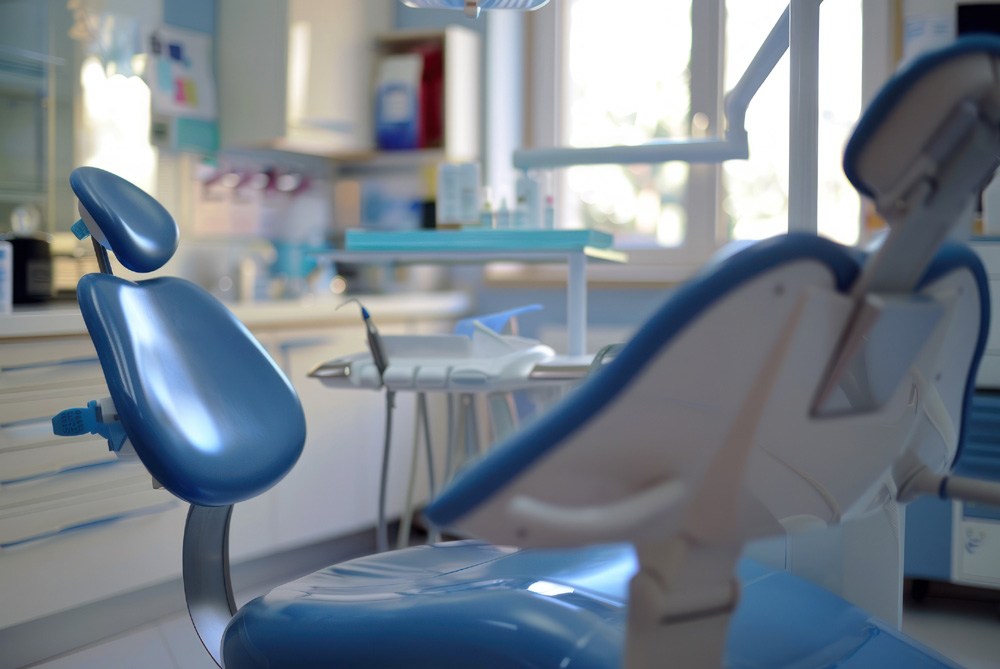
Past negative experiences. This is the most common origin I hear about. A painful procedure, a dentist who was dismissive, a childhood experience that left a lasting impression. The nervous system doesn’t always distinguish between “that happened then” and “this is now” — and a clinical environment that looks, smells, and sounds like a place where something bad happened can trigger a fear response regardless of what’s actually about to happen.
Loss of control. Lying back in a chair, unable to see what’s happening, with instruments in your mouth and no ability to speak or easily stop the procedure — for many people, this sensory experience is the anxiety. It’s not about pain specifically. It’s about the feeling of helplessness.
Fear of pain. Sometimes it’s exactly what it sounds like. A genuine fear of the physical experience, often rooted in past pain or in the anticipation of pain that may be disproportionate to what modern anesthesia and technique actually produce.
Fear of judgment. Patients who have avoided the dentist for years often carry significant shame about the state of their teeth. They’re afraid of being lectured, looked at with disapproval, or made to feel bad about choices they’ve made. This fear keeps people away precisely when they most need care.
Sensory sensitivities. The sounds, smells, and physical sensations of a dental office are triggering for some patients — particularly those with sensory processing differences. The drill, the suction, the bright light, the taste of dental materials. These can be genuinely overwhelming.
What we do differently at Enhanced Wellness
I trained at the Pankey Institute, where the foundational premise is that good dentistry begins with understanding what a patient actually values and what they need — not what the dentist assumes they need. For anxious patients, that means the first conversation isn’t about treatment. It’s about them.
Tell me before we start. If you have significant dental anxiety, I want to know before the appointment begins — not after you’re already in the chair trying to manage it alone. When I know what’s driving the anxiety, I can adjust. That might mean explaining every step before I do it so there are no surprises. It might mean taking more breaks. It might mean working out a signal — like raising your hand — that means stop immediately, no questions asked. These aren’t inconveniences. They’re how we make appointments actually work for anxious patients.
We go at your pace. I don’t rush appointments, and I especially don’t rush appointments for patients who need more time. If a procedure needs to stop and resume, we stop and resume. If getting through an examination requires pausing twice, we pause twice. The goal is completing your care — not completing it in the minimum possible time at the expense of your ability to tolerate it.
Honest explanations. Patients who describe me most positively tend to say some version of the same thing: she tells you what’s happening and treats you like an adult who can handle the information. For anxious patients, this matters enormously. The unknown is almost always more frightening than the known. When I explain what I’m about to do, why I’m doing it, and what you’ll feel — before I do it — the anticipated fear is usually worse than the actual experience.
Topical anesthetic before any injection. I apply topical anesthetic to the gum tissue before any injection as standard practice — not just for anxious patients. It numbs the surface before the needle, which significantly reduces the sensation of the injection itself. The injection is frequently the moment patients are most afraid of, and this step consistently makes it more manageable.
Sedation options. For patients whose anxiety is significant enough that standard supportive measures aren’t sufficient, sedation dentistry is an option. Nitrous oxide — laughing gas — is the most commonly used approach: it’s inhaled through a small mask, takes effect quickly, produces a relaxed and mildly euphoric state, and wears off completely within minutes of removing the mask. It doesn’t put you to sleep — you’re conscious and able to communicate — but it takes the edge off significantly for most anxious patients. Oral sedation, in which a prescribed medication is taken before the appointment, is another option for patients with more significant anxiety. I discuss these options during consultation for patients who need them.
Headphones are welcome. If music or a podcast helps you manage, bring it. If you’d rather not hear what’s happening around you, block it out. I’ll tap your shoulder when I need your attention. This is a small thing that makes a meaningful difference for a lot of patients.
A note for patients who have been away for a long time
If you’ve avoided the dentist for years — five, ten, longer — and you’re reading this because you’re finally thinking about coming back, I want to say something directly: there is no version of your dental situation that will make me treat you with anything other than straightforward professionalism and care.
I don’t lecture patients about choices they’ve made or things they haven’t done. That’s not useful and it’s not my job. My job is to understand where things stand now and help you figure out the best path forward from here. Whatever the situation is when you walk in, we address it from where it is — not from where it could have been if you’d come in years ago.
The shame that keeps people away is often worse than the appointment itself. Come in. Let’s just see where things are.
Washington, PA & Pittsburgh
Anxious about coming in? Let’s talk before you even schedule.
Dr. Liza’s practice is built around patients who need more time, more explanation, and more patience — not less. Reach out and tell us what you need.
Ready to try again?
If dental anxiety has kept you from getting care you know you need — or if you’ve had bad experiences elsewhere and want to try a practice with a genuinely different approach — I’d welcome the chance to show you what an appointment here feels like.
We serve patients in Washington, PA and the greater Pittsburgh area. Reach out and let’s talk before you even schedule anything, if that would help.

Dr. Elizabeth Wakim, DDS, is the founder of Enhanced Wellness. She’s a compassionate and highly-regarded dentist with her own practice in Washington, Pennsylvania, known for providing modern, comprehensive dental care, botox and facial aesthetics with a focus on patient comfort and anxiety reduction, serving general, cosmetic, and pediatric dentistry needs.