Sensitive Teeth: Why It Happens and What Actually Fixes It
Sensitive teeth aren’t just something to live with — they have causes, and most causes have real fixes. Dr. Liza Wakim explains the most common reasons teeth become sensitive and what actually treats each one.

Tooth sensitivity is one of those symptoms that’s easy to normalize — a sharp twinge when you drink something cold, a brief sting from sweet food, a moment of discomfort you’ve learned to manage by avoiding certain things. Many patients have had it for so long that they assume it’s just how their teeth are.
It’s not. Sensitivity is a symptom, and symptoms have causes. And most of the causes of tooth sensitivity have real treatments — not just management strategies, but actual fixes that address the underlying problem.
The goal of this article isn’t to make you think you need an immediate dental appointment for a brief flash of cold sensitivity. It’s to help you understand what’s driving it, when it warrants attention, and what can actually be done about it.
Why teeth become sensitive: the underlying mechanism
To understand sensitivity, it helps to understand what you’re feeling.
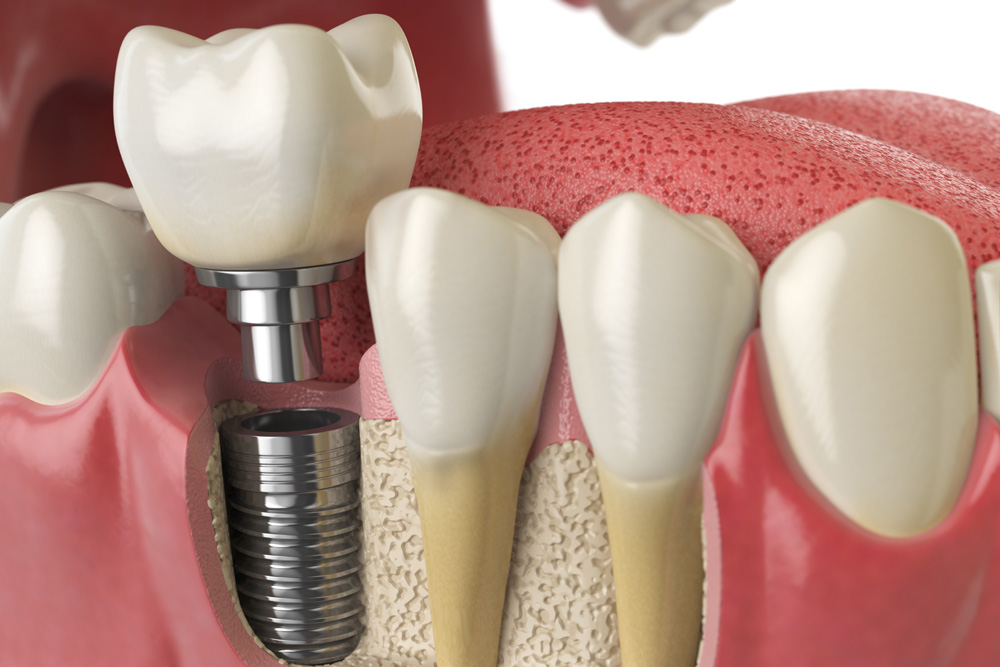
The outer layer of the tooth — enamel above the gumline, cementum on the root surface — protects the inner layer called dentin. Dentin contains thousands of microscopic tubules that run from the surface of the tooth toward the nerve at the center. When dentin becomes exposed — because the protective outer layer has worn away, eroded, or receded — those tubules allow external stimuli like temperature, sweet foods, and pressure to reach the nerve more easily. The result is that characteristic sharp, sudden sensitivity.
The sensitivity itself is the tubules transmitting signals they’re not normally supposed to transmit. The treatment, in most cases, involves either blocking those tubules or addressing the reason the protective layer is missing.
The most common causes — and what each one means
Enamel erosion. Enamel can erode gradually over time from dietary acids — frequent consumption of citrus, carbonated drinks, wine — or from acid reflux, which exposes the teeth to stomach acid during sleep. Erosion is irreversible — enamel doesn’t regenerate — but its progression can be halted and the sensitivity managed with appropriate treatments and dietary adjustments.
Gum recession. When the gumline recedes — whether from gum disease, aggressive brushing, genetics, or normal aging — the root surface of the tooth becomes exposed. Root surfaces are covered by cementum, which is considerably more permeable than enamel. Exposed root surfaces are a very common cause of cold sensitivity and sensitivity to sweet foods. Treatment depends on the cause and extent of recession — for significant recession, a gum graft may be appropriate; for mild cases, desensitizing treatments and technique correction often suffice.
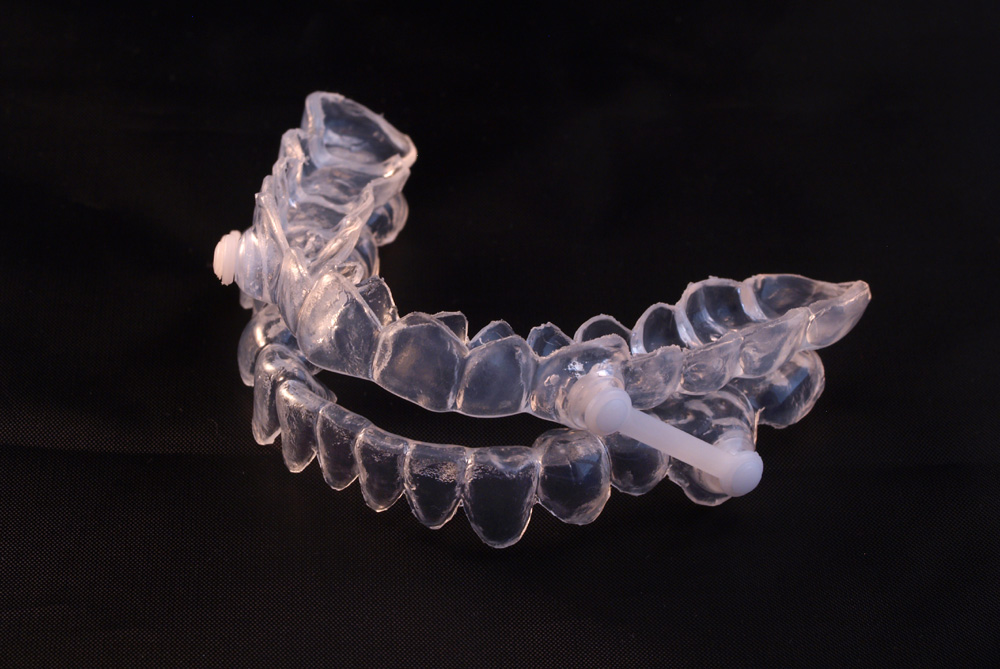
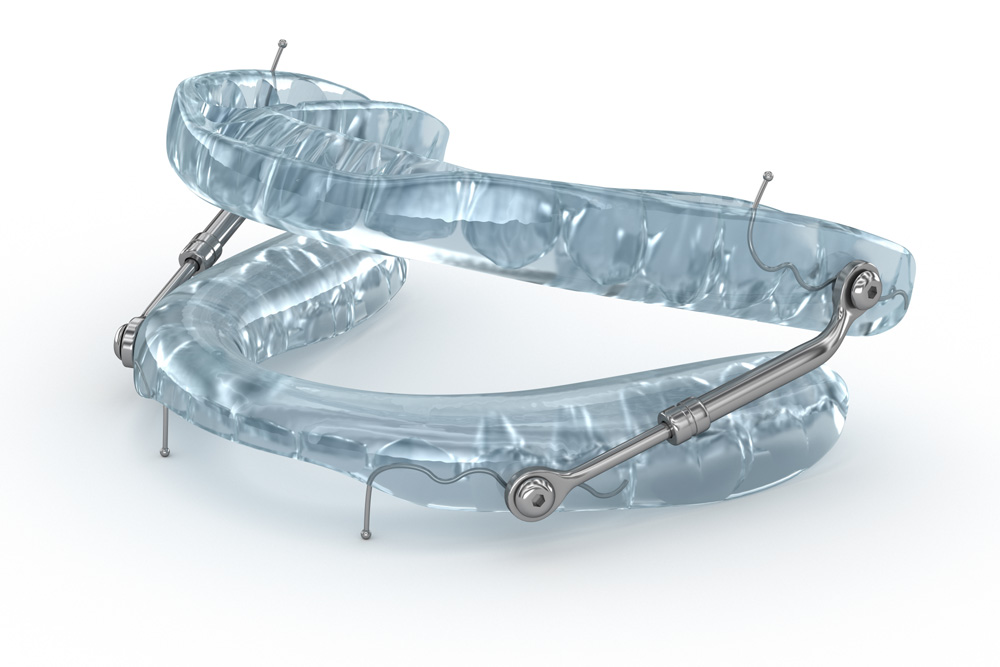
Teeth grinding (bruxism). Chronic grinding wears down the enamel on the chewing surfaces over time, progressively thinning the protective layer and increasing sensitivity. It also creates small cracks in the enamel that allow stimuli to reach the dentin more easily. Addressing the grinding — typically with a custom nightguard — is the first step; the sensitivity is a downstream consequence of the wear.
Aggressive brushing or a hard-bristled toothbrush. This is one of the most common and most correctable causes I see. Brushing too hard, or using a medium or hard bristled brush, physically abrades the enamel and the gum tissue over time — pushing the gumline back and thinning the enamel at the gumline. Switching to a soft-bristled brush and correcting technique makes a meaningful difference over time.
Cavities. Decay that has reached the dentin layer creates sensitivity — particularly to sweet foods and temperature. The dentin is directly exposed to stimuli where the enamel has been breached. A filling removes the decay and restores the protective layer.
A cracked tooth. A crack in the enamel allows stimuli to travel through the tooth in ways that intact enamel doesn’t. Sensitivity that is sharp, localized to one specific tooth, and triggered by biting or temperature may indicate a crack. This is worth evaluating sooner rather than later.
Recent dental work. Sensitivity following a filling, crown, or other restorative procedure is common and usually temporary. The tooth has been worked on, and the nerve can be mildly irritated for days to a few weeks afterward. This typically resolves on its own.
Whitening treatments. Peroxide-based whitening agents temporarily open the dentin tubules, causing sensitivity that peaks in the first 24 to 48 hours after treatment and resolves within a few days. I covered this in detail in a separate article on whitening sensitivity — but the short version is that it’s temporary and manageable with the right preparation.
Gum disease. Active gum disease causes gum tissue inflammation and recession, exposing root surfaces. Treating the gum disease is the primary fix; the sensitivity is a consequence of the tissue damage.
What actually helps — organized by cause
For erosion: reducing dietary acid exposure, using a remineralizing toothpaste with fluoride or hydroxyapatite, and in some cases applying fluoride varnish in-office to strengthen the enamel surface. Avoiding brushing immediately after consuming acidic foods or drinks — wait 30 minutes — reduces further abrasion.
For gum recession: addressing the cause (gum disease treatment if applicable, technique correction for aggressive brushing), using a desensitizing toothpaste consistently, and in cases of significant recession, a soft tissue graft to cover exposed root surfaces.
For bruxism-related sensitivity: a custom nightguard to protect the enamel from further wear, and in appropriate cases, masseter Botox to reduce the force of grinding. The enamel that’s already worn doesn’t grow back, but the progression stops.
For aggressive brushing: switch to a soft-bristled toothbrush, reduce pressure, and consider an electric toothbrush with a pressure sensor. The improvement in sensitivity over months is often significant.
For cavities: a filling. This is the simplest and most direct intervention on this list.
For cracked teeth: evaluation to determine the extent of the crack and appropriate treatment — bonding, a crown, or root canal therapy depending on severity.
For post-treatment sensitivity: time and over-the-counter desensitizing toothpaste. Ibuprofen for the first few days if significant.
The over-the-counter options — and their limits
Desensitizing toothpastes — products containing potassium nitrate or stannous fluoride — work by blocking the dentin tubules over time. They’re genuinely helpful for mild to moderate sensitivity, particularly from erosion and recession, and I recommend them to patients as a first-line management tool.
The key word is time. These products take two to four weeks of consistent twice-daily use to produce noticeable improvement, and they need to continue to maintain the effect. Patients who try them for a few days and conclude they don’t work have usually stopped too soon.
That said, desensitizing toothpaste manages sensitivity — it doesn’t fix the underlying cause. For sensitivity driven by a cavity, a crack, significant gum disease, or severe recession, toothpaste is supportive at best. The underlying problem needs treatment.
When sensitivity warrants a call
Mild, brief sensitivity that comes and goes and has been stable for a while can be discussed at your next routine appointment.
Call sooner if:
- Sensitivity is severe, worsening, or affecting your ability to eat and drink normally
- Sensitivity is localized to one specific tooth and sharp — particularly if triggered by biting
- Sensitivity is accompanied by visible swelling, a bump on the gum, or spontaneous pain with no trigger
- Sensitivity appeared suddenly and is significantly different from anything you’ve had before
- You’ve been managing sensitivity at home for months without meaningful improvement
Any of these presentations warrant evaluation rather than continued self-management.
Ready to find out what’s actually causing yours?
Tooth sensitivity is common, but it’s not inevitable and it’s not something you should simply accept. If you’ve been dealing with it and aren’t sure what’s driving it, come in. I’ll do a thorough evaluation, identify the cause, and give you a treatment plan that actually addresses the source — not just the symptom.
Serving patients in Washington, PA and the greater Pittsburgh area.
Washington, PA & Pittsburgh
Dealing with sensitive teeth and not sure what’s causing it?
Dr. Liza will identify the cause and give you a treatment plan that addresses the source — not just something to manage the symptoms with.

Dr. Elizabeth Wakim, DDS, is the founder of Enhanced Wellness. She’s a compassionate and highly-regarded dentist with her own practice in Washington, Pennsylvania, known for providing modern, comprehensive dental care, botox and facial aesthetics with a focus on patient comfort and anxiety reduction, serving general, cosmetic, and pediatric dentistry needs.