Jaw soreness after chewing or frequent headaches might not seem connected to your teeth, but bite alignment plays a bigger role than most people realize. Crooked teeth can create uneven pressure when you chew, forcing certain teeth and jaw muscles to work harder than they should.
Small symptoms often show up before bigger problems develop. In this guide, you’ll learn whether crooked teeth can cause pain, how bite stress affects your teeth and jaw, and what steps can help restore comfort and protect your long-term oral health.
At Elizabeth L. Wakim DDS, we take a comprehensive approach to evaluating bite alignment and jaw health. Using detailed examinations and digital imaging, we assess how your teeth come together and design personalized treatment plans that relieve stress on your bite while supporting long-term oral health.
Can Crooked Teeth Cause Pain? The Basics
Crooked teeth refer to teeth that are rotated, crowded, spaced unevenly, or positioned outside their ideal alignment. Bite misalignment, also called malocclusion, occurs when the upper and lower teeth do not come together evenly when you close your mouth. The World Health Organization ranks malocclusion among the most significant oral health concerns worldwide, highlighting how common and impactful it can be.
Your teeth, jaw joints, and facial muscles work as a coordinated system. When you chew, the temporomandibular joints guide movement while surrounding muscles help control force. Ideally, pressure is shared evenly across multiple teeth. This balance protects enamel, supports the jaw joints, and keeps muscles from overworking.
When teeth are not aligned properly, that balance changes. Certain teeth may absorb more force than others, and jaw muscles may compensate to keep chewing functional. Over time, uneven pressure can strain the jaw, irritate surrounding nerves, and contribute to sensitivity, soreness, or tension.
Why Crooked Teeth Can Lead to Pain
Crooked teeth do more than affect appearance. In fact, studies suggest that close to 90 percent of people have some degree of tooth misalignment. When alignment is off, even slightly, the way pressure moves through your bite changes. Over time, that imbalance can affect teeth, muscles, and even the jaw joints.
- Uneven bite pressure: When teeth do not meet evenly, certain teeth absorb more force during chewing. This overload can lead to enamel wear, tooth sensitivity, and muscle fatigue.
- Tooth crowding: Crowded teeth can interfere with efficient chewing. Jaw muscles may work harder to compensate, which can contribute to soreness or tension, especially after eating.
- Open bites or underbites: When upper and lower teeth do not align properly, the temporomandibular joints must adapt to an unstable bite. Extra strain on these joints can cause jaw discomfort, clicking, or limited movement.
- Teeth rubbing or grinding (bruxism): Misalignment can increase the likelihood of grinding or clenching. Over time, this constant friction wears down enamel and places additional stress on the jaw muscles.
- Hard-to-clean areas: Crooked or overlapping teeth create spaces where plaque can accumulate. Buildup near the gumline can irritate tissue and contribute to inflammation or gum pain.
Pain linked to crooked teeth is usually gradual. It develops as small imbalances compound over time, sometimes leading to enamel wear, fractures, or damage that may require restorative dentistry to rebuild and protect the tooth structure. Early evaluation helps prevent minor alignment issues from progressing into more complex concerns.
The Ripple Effects: Beyond Tooth Pain
Crooked teeth do not just affect how your smile looks or feels. When bite alignment is off, the impact can extend beyond individual teeth.
Gum Inflammation and Periodontal Stress
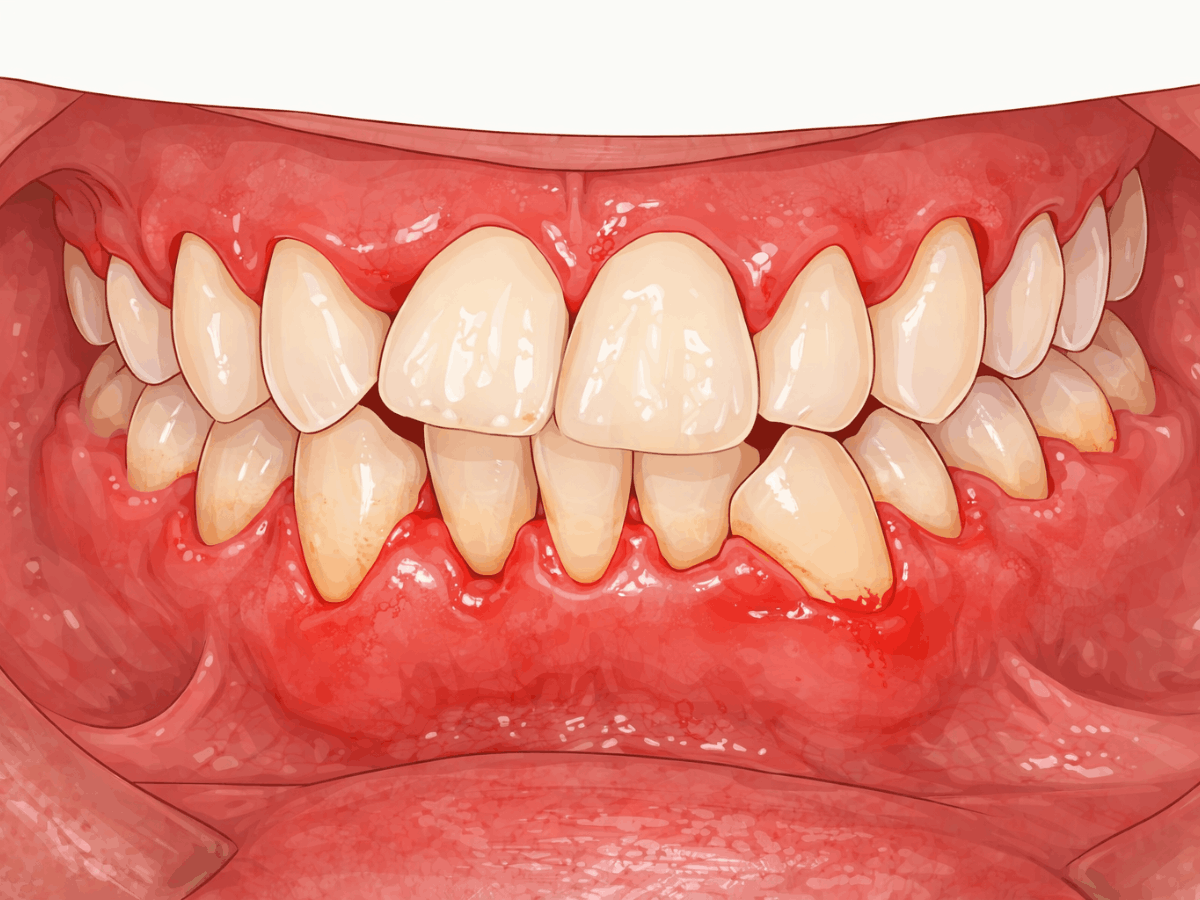
Crooked teeth hold food particles and plaque in tight spaces that are harder to clean. Without proper oral hygiene, this buildup increases the risk of gum disease and gum recession. Data show that more than 42 percent of U.S. adults have some form of gum disease, underscoring how common this issue is. Left untreated, inflammation can progress to a more severe form of periodontal disease and raise the risk of tooth loss.
Difficulty Chewing and Digestive Strain
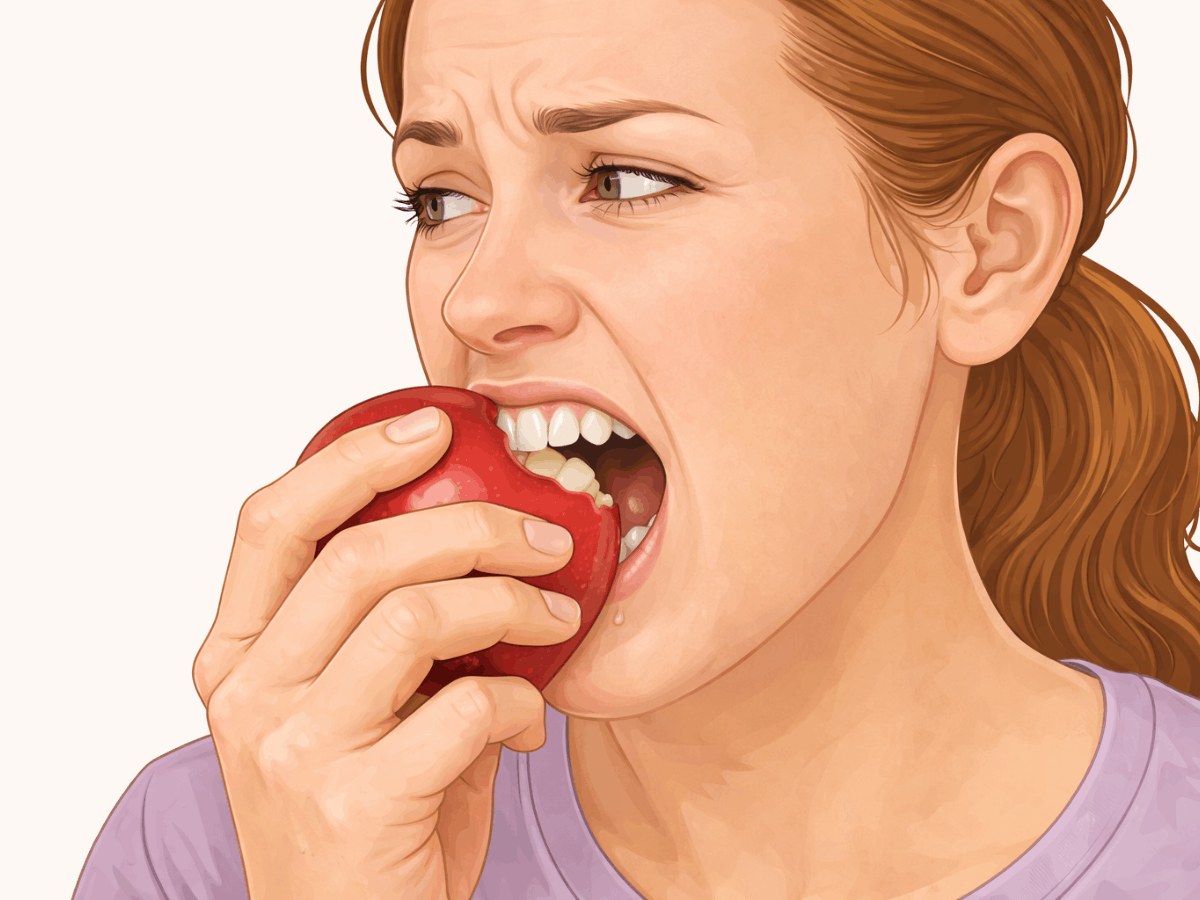
An improper bite can make chewing less efficient. When teeth do not meet evenly, certain areas absorb more force, leading to uneven wear and tooth wear over time. In severe cases, this strain may contribute to tooth decay or damage that requires restorative care.
Speech Changes and Altered Tongue Posture
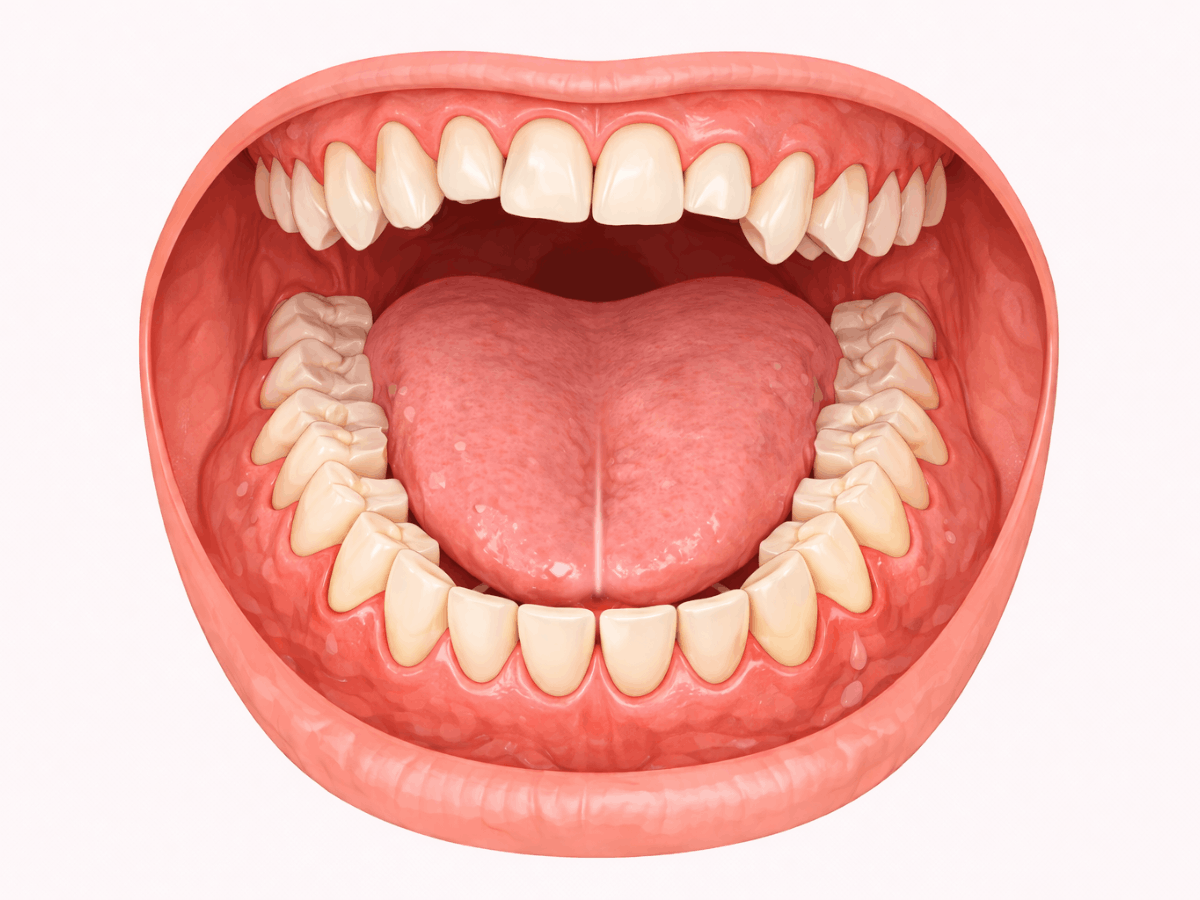
Teeth play an important role in guiding the tongue during speech. Significant crowding or spacing can subtly affect pronunciation or encourage altered tongue posture. While not always obvious, these changes can influence how comfortable someone feels speaking.
Jaw Tension and Muscle Strain
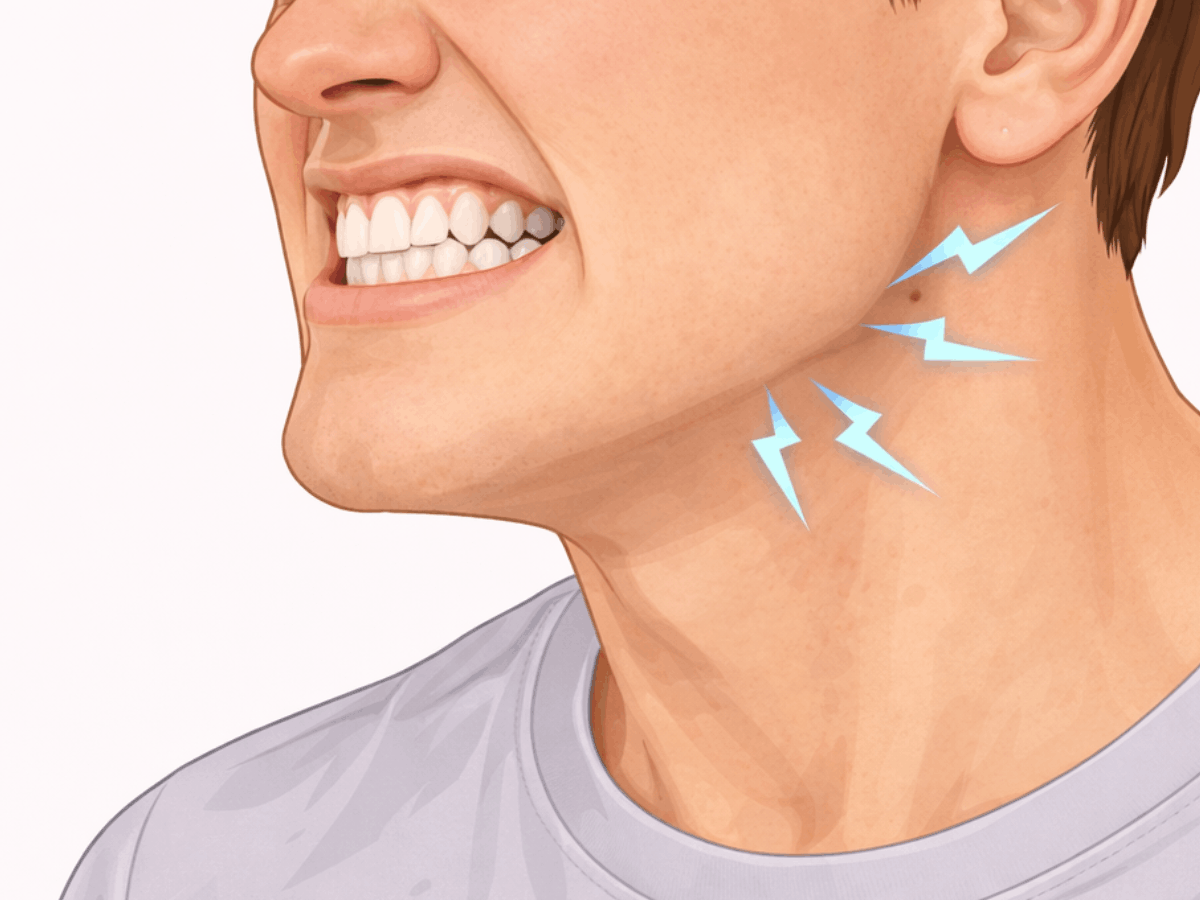
Crooked teeth lead to uneven pressure on the jaw joints and surrounding muscles. Over time, this imbalance may contribute to jaw pain, jaw tension, or tooth grinding. Many patients do not immediately connect headaches or facial soreness to jaw alignment, but correcting misalignment can often help alleviate jaw pain and reduce painful symptoms.
When bite alignment is off, the effects can extend well beyond your teeth, which is why early evaluation matters.
Treatment Options That Relieve Bite Stress and Pain
If crooked teeth are contributing to discomfort, treatment focuses on reducing uneven pressure and restoring balance to your bite. The right approach depends on the severity of misalignment and the symptoms you’re experiencing.
- Preventive Dental Care: Regular dental check ups and professional cleanings help control plaque buildup around crowded teeth. Preventive care supports good oral hygiene, keeps gums healthy, and reduces the increased risk of gum inflammation, bad breath, and other health risks linked to misalignment.
- Orthodontic Options: Orthodontic treatment, including traditional braces, clear aligners, or retainers, gradually moves teeth into proper alignment. Straighter teeth distribute bite pressure more evenly, which can reduce muscle strain and improve chewing efficiency.
- Occlusal Adjustments: In certain cases, small refinements to how teeth meet can improve balance. These conservative adjustments help correct misalignment by evening out contact points and reducing overload on specific teeth.
- Night Guards: If tooth grinding is contributing to jaw discomfort, a custom night guard can protect enamel and reduce pressure on the joints. Limiting nighttime clenching often improves morning soreness and supports a healthier smile.
- Restorative Solutions: When misaligned teeth have caused wear or damage, dental restorations such as bonding or crowns may be needed to rebuild structure. In severe cases involving missing teeth, restoring proper alignment is essential to prevent further complications.
- TMJ Therapy: When a misaligned bite leads to jaw joint inflammation, targeted TMJ therapy may help stabilize movement and relieve discomfort. Addressing crooked teeth early can reduce strain on the joints and improve overall function.
Treatment is not one-size-fits-all. Identifying the source of bite stress allows care to be tailored for lasting comfort and long-term oral health. In many cases, combining corrective treatment with a consistent preventive dentistryapproach helps protect enamel, support gum health, and reduce the risk of future complications.
Listening to What Your Bite Is Telling You
Crooked teeth are common, but persistent discomfort is not something you have to accept. When teeth do not align properly, uneven pressure can strain enamel, irritate gums, and overload jaw muscles. Over time, that stress may show up as sensitivity, headaches, or ongoing tension.
At Elizabeth L. Wakim DDS, we understand that concerns about crooked teeth often involve both comfort and appearance. Through comprehensive cosmetic dentistry and functional evaluations, we assess how your teeth, jaw joints, and muscles work together to identify the true source of discomfort. Using detailed exams and modern imaging, we create personalized treatment plans designed to relieve bite stress and improve function.
If crooked teeth are causing pain or tension, contact our Pennsylvania dental office at (724) 558-8222 or use our contact form to schedule a comprehensive evaluation. Addressing alignment early can protect your oral health and help you move forward with greater comfort and confidence.

Dr. Elizabeth Wakim, DDS, is the founder of Enhanced Wellness. She’s a compassionate and highly-regarded dentist with her own practice in Washington, Pennsylvania, known for providing modern, comprehensive dental care, botox and facial aesthetics with a focus on patient comfort and anxiety reduction, serving general, cosmetic, and pediatric dentistry needs.