How Long Do Veneers Actually Last? What My Patients Ask Me Most
Porcelain veneers last 10–20 years. Composite veneers last 5–7. But the real answer depends on your habits, your material, and how well they were placed. Dr. Liza Wakim explains what actually determines veneer lifespan.
If I had to pick the single question I get most often after a patient decides they want veneers, it’s this one: How long are they going to last?
It’s a good question — and an important one to answer honestly, because the answer varies more than most people expect. Veneer lifespan depends on the material, the quality of placement, your habits, and frankly, how well you take care of them. It’s not a fixed number.
Here’s what I tell my patients.
How long do porcelain veneers last?
Porcelain veneers, well-placed and well-maintained, typically last 10 to 20 years. Some patients go considerably longer without needing replacement — I’ve seen porcelain veneers hold up well past the 20-year mark in patients who take excellent care of them. Others need replacement closer to the 10-year end of the range, usually because of habits that put extra stress on the veneers or because normal wear has accumulated over time.
The material itself is highly durable. Dental porcelain is stain-resistant, chip-resistant, and designed to withstand normal biting forces for years. What tends to end a porcelain veneer’s lifespan isn’t the material failing spontaneously — it’s usually a specific event (a chip from biting something hard, a crack from grinding) or gradual wear at the edges that eventually warrants replacement.
How long do composite veneers last?
Composite and porcelain veneers have unique pros and cons, and lifespan is one of those factors.
Composite veneers have a shorter lifespan — typically 5 to 7 years before they need to be touched up or replaced. This is a meaningful difference from porcelain, and it’s one of the main tradeoffs I walk patients through when they’re deciding between the two.
Composite resin is more porous than porcelain, which makes it more susceptible to staining over time. It’s also softer, which means it’s more prone to chipping and surface wear. In exchange, composite veneers are considerably less expensive, can be placed in a single appointment, and — unlike porcelain — are generally reversible. For some patients, the shorter lifespan is an entirely acceptable tradeoff. For others, the longer durability of porcelain is worth the additional investment.
It’s also worth noting that composite veneers can often be repaired rather than fully replaced when they chip or stain — a meaningful practical advantage over porcelain, which typically needs to be replaced as a unit when it fails.
Porcelain veneers
10–20 years
typical lifespan with good care
+ Highly stain-resistant
+ Most lifelike appearance
+ Chip-resistant under normal use
– Irreversible placement
– Must replace as a unit if damaged
Composite veneers
5–7 years
typical lifespan with good care
+ Repairable if chipped
+ Single appointment placement
+ Generally reversible
– More prone to staining over time
– Softer, more susceptible to chips
Lifespan figures assume good oral hygiene, regular dental visits, and no bruxism. Individual results vary.
What shortens veneer lifespan?
This is the part of the conversation I find most useful to have early, because most of the factors that shorten veneer lifespan are things patients can actually control.
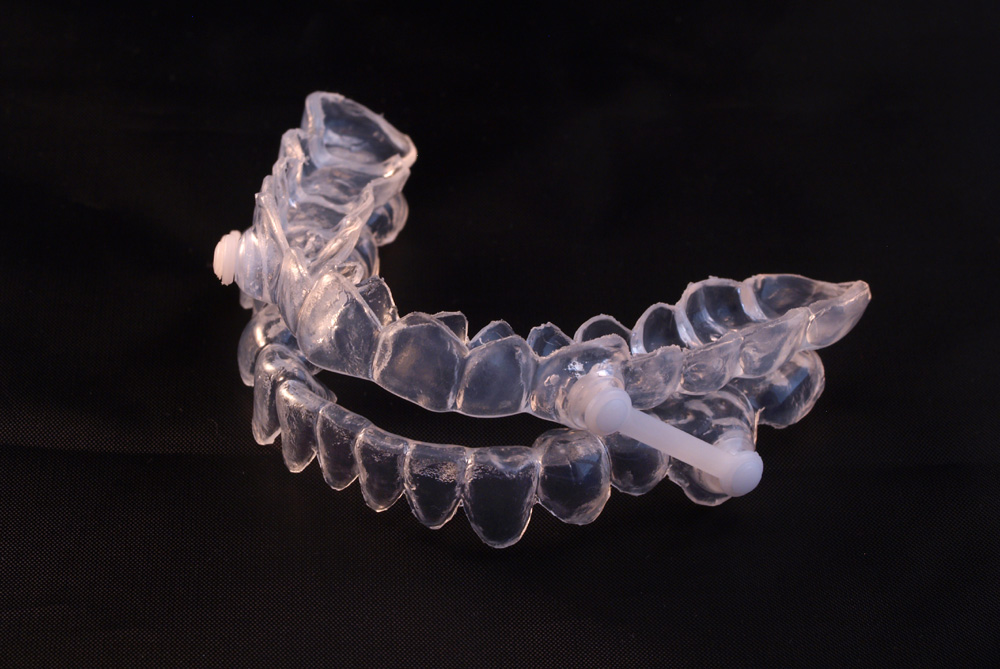
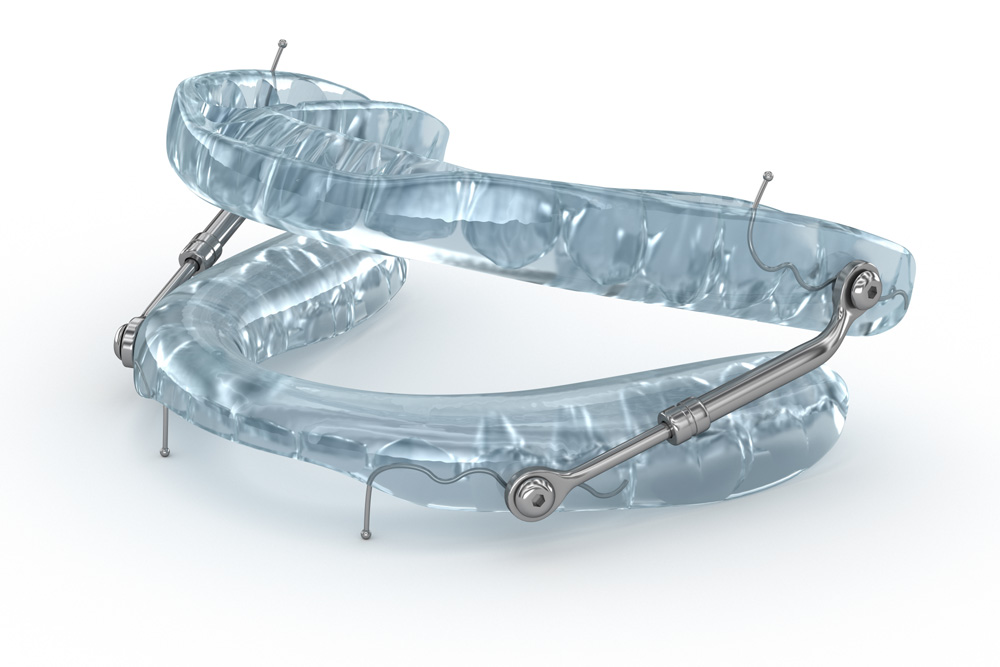
Teeth grinding (bruxism). This is the single most common thing I see shorten veneer lifespan. Grinding puts enormous repeated force on the front teeth — exactly where veneers sit. If you grind at night and get veneers without addressing it, you’re accelerating the wear significantly. For patients who grind, I strongly recommend a custom nightguard worn during sleep. It’s a simple protective measure that can meaningfully extend how long your veneers last.
Biting hard objects. Veneers are designed to withstand normal chewing forces, but they’re not indestructible. Biting fingernails, chewing on pen caps, cracking open nuts with your teeth, or biting into very hard foods directly with the front teeth all put stress on veneers that they weren’t designed to handle. Porcelain in particular can chip or crack under point-load pressure even when it holds up fine under normal chewing.
Staining habits — especially with composite. Composite resin stains more readily than porcelain over time. Coffee, tea, red wine, and tobacco all accelerate surface staining. This doesn’t affect the structural integrity of the veneer, but it does affect appearance — and eventually reaches a point where the veneer looks noticeably different from the surrounding teeth. Good oral hygiene and occasional professional polishing help slow this down.
Gum recession. As the gumline recedes over time — which can happen naturally with age or be accelerated by aggressive brushing — the margin where the veneer meets the tooth can become visible. This doesn’t mean the veneer has failed, but it can affect appearance and occasionally creates a ledge where plaque accumulates. Maintaining healthy gums is one of the best things you can do for the longevity of your veneers.
Poor fit or poor bonding at placement. This is on the dentist, not the patient — but it’s worth knowing. A veneer that isn’t precisely fitted or isn’t bonded with proper technique is more likely to fail early. Marginal gaps allow bacteria to infiltrate, bonding can break down, and the veneer may debond or develop secondary decay underneath. This is why veneer placement is a procedure where the skill and attention of the provider genuinely matters.
What maintenance habits actually help?
The good news is that maintaining veneers doesn’t require a dramatically different routine than maintaining natural teeth. A few specifics:
Brush and floss normally. Veneers don’t change your oral hygiene routine. Brush twice a day with a soft-bristled toothbrush and non-abrasive toothpaste — some whitening toothpastes contain abrasives that can dull the surface of composite veneers over time, so it’s worth checking with your dentist about which products are appropriate.
Keep up with regular cleanings. Professional cleanings remove buildup that home brushing misses and give your dentist a chance to check the margins and condition of your veneers regularly. Catching a small issue early — a minor chip, a slight margin gap — is always easier to address than waiting until it becomes a bigger problem.
Wear a nightguard if you grind. I’ve said this already, but it bears repeating. If you grind and you have veneers, a nightguard is non-negotiable in my view. The cost of a custom nightguard is a fraction of the cost of replacing a set of veneers ahead of schedule.
Be thoughtful about what you bite with your front teeth. Not paranoid — just thoughtful. Veneers on your front teeth aren’t designed for tearing bread crusts or biting directly into hard apples. Using your back teeth for harder foods and being mindful of habits like nail-biting go a long way.
When does a veneer actually need to be replaced?
Not every imperfection means immediate replacement. Minor surface staining on composite veneers can often be addressed with professional polishing. A small chip on a composite veneer can frequently be repaired chairside without replacing the whole thing. A veneer that has slightly shifted in color over many years may still be structurally sound.
Replacement makes sense when:
- A veneer has chipped or cracked in a way that can’t be repaired
- The bonding has failed and the veneer has debonded or is loose
- There is decay developing underneath the veneer at the margins
- Significant gum recession has left the veneer margin visibly exposed in a way that affects appearance or hygiene
- The veneer has stained or worn to the point where it no longer matches the surrounding teeth and polishing hasn’t helped
- The patient simply wants an update after many years — preferences change, and replacing aging veneers with new ones is a routine cosmetic decision
When replacement is needed, the process is similar to initial placement. The old veneer is removed, the tooth is re-prepared if necessary, and a new veneer is fabricated and bonded. For porcelain veneers especially, this is a good opportunity to revisit shade, shape, or any other preferences that may have evolved since the originals were placed.
The honest summary
Porcelain veneers: 10 to 20 years with good care.
Composite veneers: 5 to 7 years.
Both last longer when you protect them from grinding, avoid using your front teeth as tools, maintain good oral hygiene, and see your dentist regularly.
The patients I see getting the most longevity from their veneers aren’t doing anything extraordinary. They’re just taking care of their teeth — which, when you’ve invested in a smile you love, tends to be pretty good motivation.
Washington, PA & Pittsburgh
Thinking about veneers? Let’s talk longevity.
Dr. Liza will walk you through which material makes sense for your teeth, your habits, and your long-term goals — before you commit to anything.

Dr. Elizabeth Wakim, DDS, is the founder of Enhanced Wellness. She’s a compassionate and highly-regarded dentist with her own practice in Washington, Pennsylvania, known for providing modern, comprehensive dental care, botox and facial aesthetics with a focus on patient comfort and anxiety reduction, serving general, cosmetic, and pediatric dentistry needs.