Receding Gums: Why It Happens and What Actually Helps
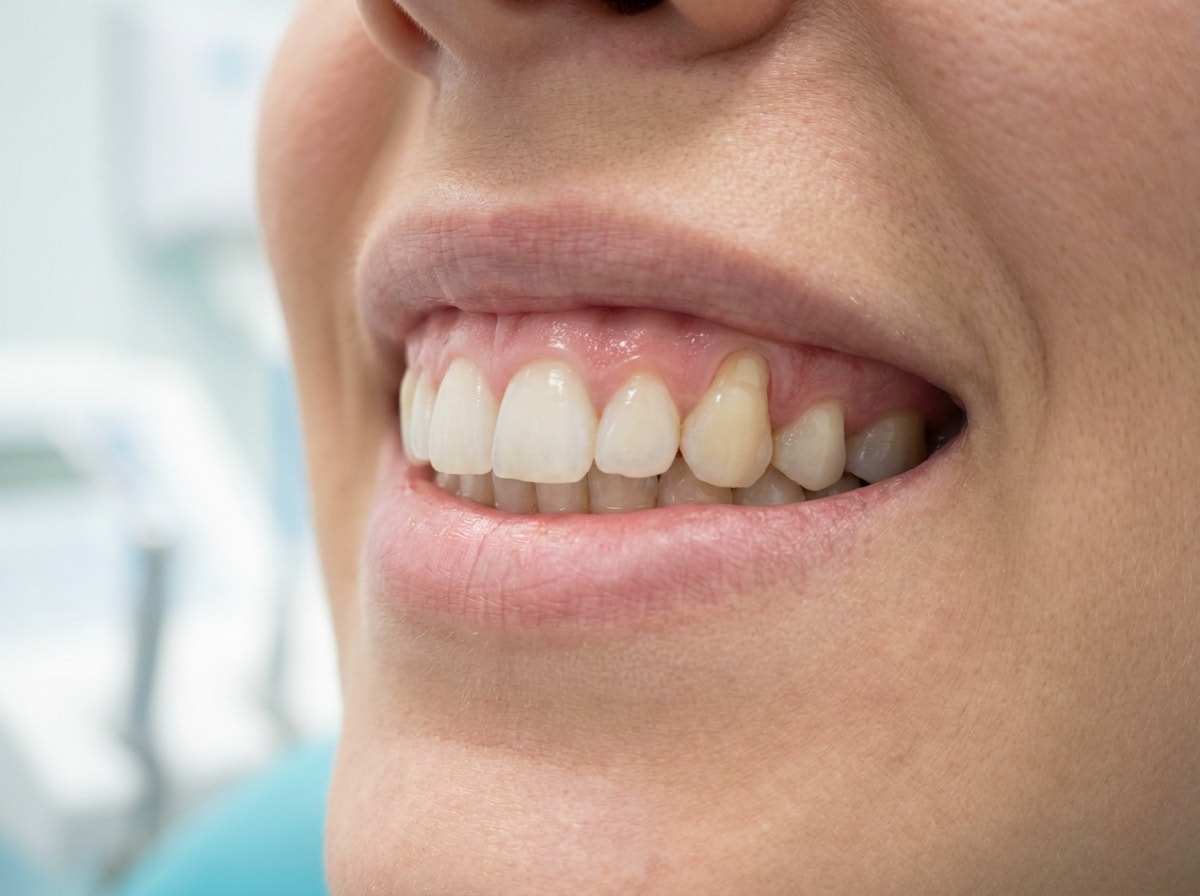
“Are my gums actually receding, or do my teeth just look longer than they used to?”
I hear some version of this question almost every week, usually from a patient who noticed it while flossing, or in a photo, or because a cold drink suddenly made a specific tooth twinge in a way it never used to. The answer is almost always the same: yes, that’s gum recession, it’s extremely common, and no — it’s not something you did wrong overnight. It’s usually the slow result of one or more factors working together over years.
Let me walk through what’s actually happening when gums recede, how common it really is, what causes it, and what your options actually look like once it’s there.
What gum recession actually is
Gum recession is the gradual exposure of the tooth’s root surface as the gum tissue that normally covers it pulls back or wears away. It’s not the same thing as gum disease, though the two are often connected — recession can happen with perfectly healthy gums due to anatomy or habits, or it can be a direct symptom of periodontal disease.
Once gum tissue recedes, it does not grow back on its own. That’s the part that surprises most patients. Unlike a cut on your skin, receded gum tissue doesn’t regenerate to cover the root again — the tissue that’s gone is gone, and what’s exposed stays exposed unless it’s specifically treated. That doesn’t mean recession is untreatable. It means the goal shifts from “wait and see” to “catch it, stop it from progressing, and correct it if it’s affecting your comfort or your smile.”
How common is this, really?
More common than most people assume. A recent systematic review and meta-analysis pooling data across the general population found that gingival recession of at least 1 mm affects roughly 81% of people, recession of at least 3 mm affects about 48%, and more advanced recession of 5 mm or more affects around 16%. On the periodontal disease side, the National Institute of Dental and Craniofacial Research reports that roughly 2 in 5 U.S. adults over 30 have some form of periodontal disease, which is one of the leading drivers of recession.
Did You Know
A large 2025 meta-analysis found that gum recession of 1 mm or more affects roughly 81% of the general population, and recession of 3 mm or more affects nearly half. If you’ve noticed a little more of your tooth showing than a few years ago, you’re far from alone — and it’s worth having it evaluated rather than assumed.
Why gums actually recede
Recession is almost never caused by just one thing. In most patients, it’s two or three of these factors compounding over years.
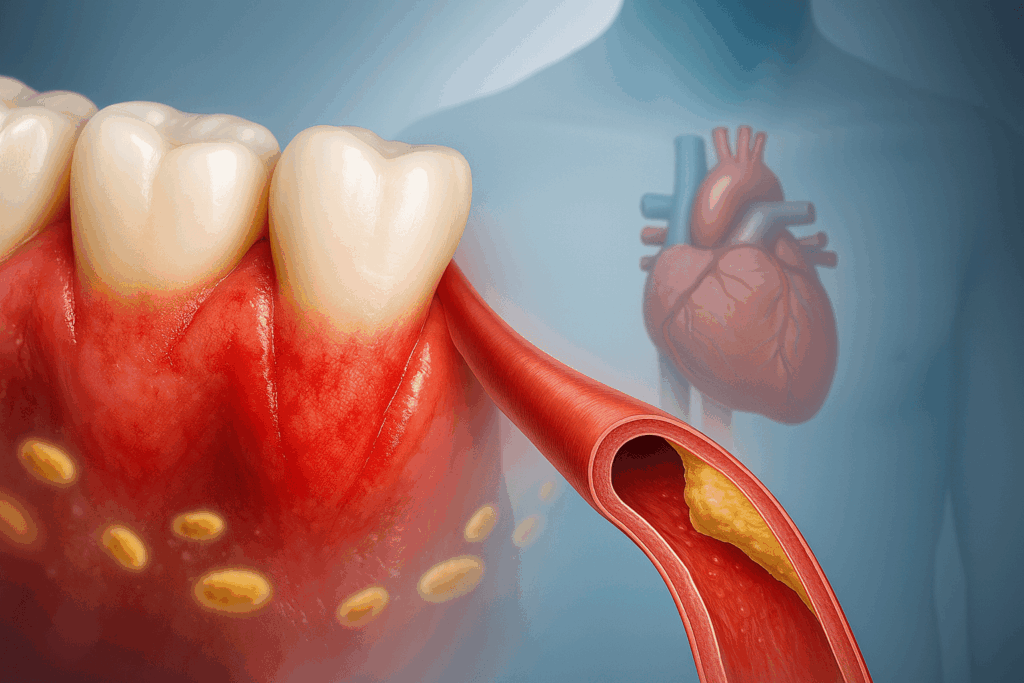
Plaque buildup and periodontal disease. This is the most common underlying cause. Bacterial plaque that isn’t removed hardens into calculus (tartar), which irritates and inflames the gum tissue. Left untreated, that inflammation breaks down the attachment between gum and tooth, and the gumline gradually retreats. This is why professional cleanings matter more than most patients realize — plaque below the gumline can’t be removed with a toothbrush alone.
Brushing too hard, or with the wrong brush. This one catches people off guard, because it feels like the opposite of a bad habit. Aggressive brushing, especially with a medium or hard-bristle brush and a scrubbing motion, mechanically wears away gum tissue over time. I see this constantly in patients who are diligent about their oral hygiene and assume more pressure means cleaner teeth. It doesn’t — it just means more worn-down gum tissue.
Thin gum tissue (biotype). Some patients are simply born with thinner, more delicate gum tissue that’s more prone to receding under the same amount of stress that thicker tissue would tolerate fine. This is anatomical, not a hygiene failure, and it’s one of the reasons two patients with identical habits can have very different outcomes.
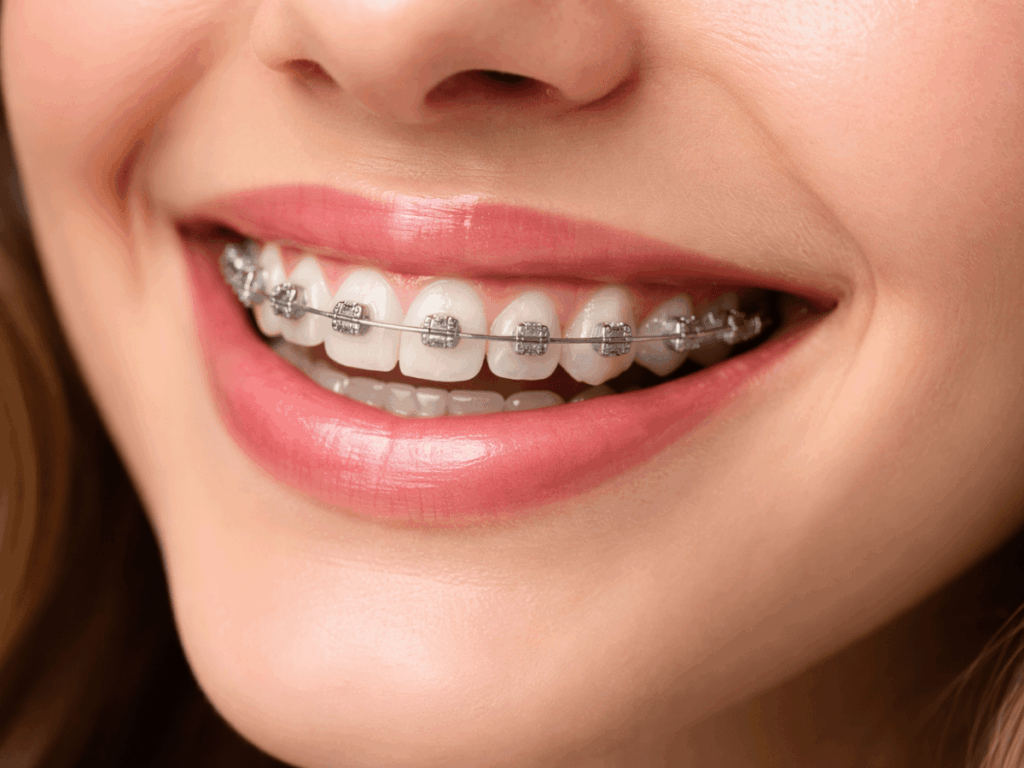
Misaligned or crowded teeth. When a tooth sits outside the normal dental arch — flared out, rotated, or crowded — the bone and gum tissue covering it are often thinner to begin with, making that tooth more vulnerable to recession. This is one of several reasons I sometimes recommend addressing alignment with Invisalign alongside gum treatment rather than treating the recession in isolation.
Teeth grinding and clenching (bruxism). Excess bite force doesn’t just wear down teeth — it can also contribute to recession, particularly when it creates small fracture lines at the gumline (a pattern sometimes called abfraction) that make the area more vulnerable to tissue loss. If grinding is part of your picture, a nightguard is part of the treatment plan, not an optional add-on.
Tobacco use. Smoking and other tobacco use reduce blood flow to gum tissue, impair healing, and are consistently associated with both higher rates and greater severity of gum recession in the research.
Oral piercings and hard trauma. Lip or tongue piercings that repeatedly rub against the gum tissue are a surprisingly common, and easily overlooked, cause of localized recession — usually on the inner surface of the lower front teeth.
What actually happens if you leave it alone
Because gum recession itself often doesn’t hurt in its early stages, it’s tempting to leave it alone. I’d encourage you not to, for a few concrete reasons.
Exposed root surfaces don’t have the protective enamel layer that the crown of your tooth has — they’re covered by a much softer material called cementum. That makes exposed roots considerably more prone to sensitivity, and more vulnerable to decay, because cementum wears down and gets damaged by acid far more easily than enamel does. Recession also tends to be progressive if the underlying cause isn’t addressed — a small amount of exposed root today can become a larger amount in a few years, particularly if the cause is ongoing (untreated gum disease, continued aggressive brushing, unmanaged grinding).
Worth Knowing
Exposed root surfaces lack the protective enamel layer that covers the rest of your tooth, which is why receded areas are so much more prone to both sensitivity and decay. Addressing the underlying cause early is almost always simpler and less costly than treating advanced recession and the root damage that can come with it.
What your treatment options actually look like
What I recommend depends heavily on how much recession is present, what’s causing it, and whether it’s still progressing. Broadly, treatment falls into three categories.
Addressing the underlying cause first. If plaque and calculus buildup are driving the recession, scaling and root planing — a deep cleaning below the gumline — removes the irritant and lets inflammation resolve, which can halt further recession even though it won’t restore tissue that’s already gone. If a hard-bristle brush or aggressive technique is the culprit, switching to a soft brush and a gentler technique (I’ll usually show you exactly how in the chair) prevents further loss. If grinding is a factor, a nightguard protects the area going forward. None of these steps reverse existing recession, but all of them are necessary before any corrective procedure, because there’s no point covering an exposed root if the same cause is just going to expose it again.
Soft-tissue grafting. This is the traditional, well-established method for actually covering an exposed root and restoring lost gum tissue. A small amount of tissue — often taken from the roof of the mouth, or in some cases from a donor or synthetic source — is placed over the area and secured while it integrates with the surrounding gum. It has a long track record, a high success rate, and remains the standard for more significant or multi-tooth recession. Recovery typically takes one to two weeks.
Minimally invasive tissue repositioning techniques. For mild to moderate recession with adequate remaining gum tissue, some periodontists use less invasive approaches that reposition existing gum tissue over the exposed root rather than grafting in new tissue — typically through small access points rather than a traditional incision. Reported outcomes in the research are comparable to grafting for the right cases, with a notably shorter and more comfortable recovery, though it isn’t the right fit for every pattern of recession. Whether this is an option for you depends on your specific case, which is exactly the kind of thing worth a direct evaluation rather than a general answer.
Here’s how the three approaches generally compare side by side, which I find is the easiest way to see why one might fit your case better than another.
Regardless of which path fits your case, the conversation always starts the same way: identifying what’s actually driving the recession, because treating the tissue without addressing the cause tends to be a temporary fix.
| Approach | Invasiveness | Recovery | Best for |
|---|---|---|---|
| Addressing the cause (SRP, brushing technique, nightguard) |
None to minimal — no surgery involved | Little to none | Stopping further recession — the required first step before any corrective procedure Always needed first |
| Soft-tissue graft | Traditional surgery — incisions and sutures, often with a donor tissue site | 1–2 weeks | More significant or multi-tooth recession Advantage |
| Minimally invasive tissue repositioning | Small access points — no traditional incisions or donor site | A few days | Mild to moderate recession with adequate remaining gum tissue Case dependent |
“Can I just let my gums grow back with the right toothpaste or mouthwash?”
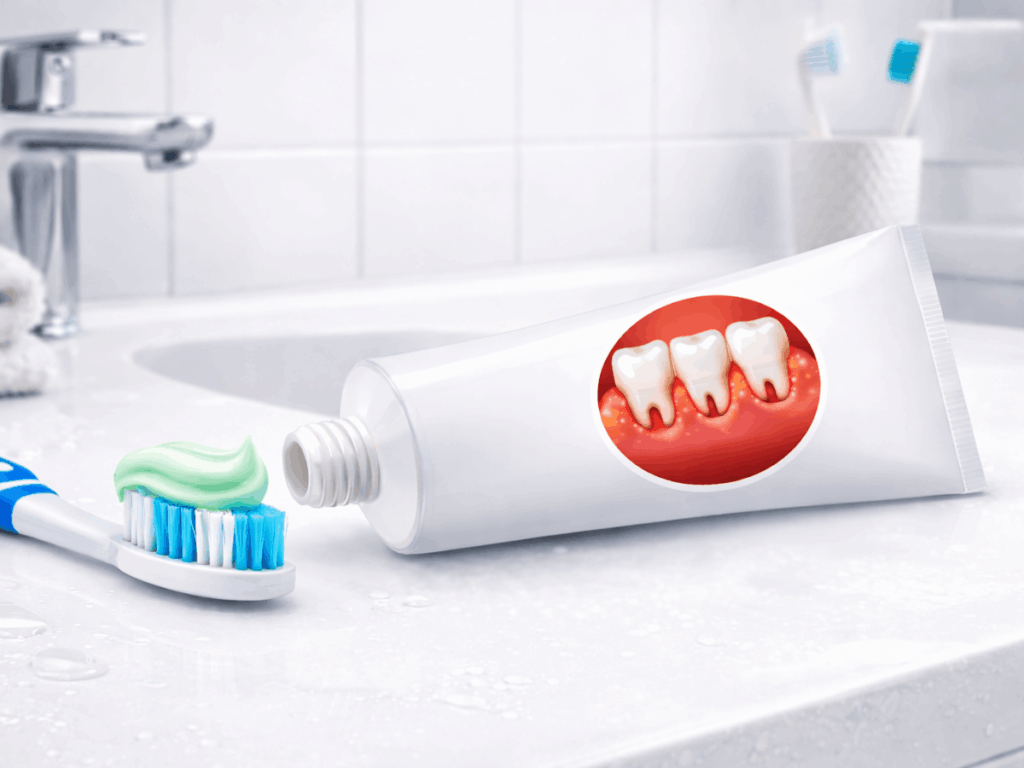
I get asked this often enough that it’s worth addressing directly: no product — toothpaste, mouthwash, oil pulling, or otherwise — regenerates lost gum tissue. Some products marketed for “gum health” can genuinely help manage sensitivity or reduce inflammation from mild gingivitis, which is a reasonable and worthwhile thing to do. But none of them rebuild tissue that’s already receded, and I’d rather tell you that plainly than have you spend months on a product expecting a result it isn’t capable of producing. If the goal is actually covering an exposed root, that requires one of the clinical approaches above, not a home product.
When to actually get it looked at
A little recession that’s stable and not causing symptoms isn’t an emergency. But a few signs are worth getting evaluated sooner rather than later:
- Noticeably increased tooth sensitivity to cold, sweet, or brushing
- Recession that seems to be progressing over months, not years
- A visible notch or groove at the gumline on one or more teeth
- Gum recession around a dental implant, which can be an early sign of peri-implant disease rather than ordinary recession
- Any bleeding, swelling, or tenderness alongside the recession, which points toward active gum disease rather than a purely mechanical cause
How to protect the gum tissue you still have
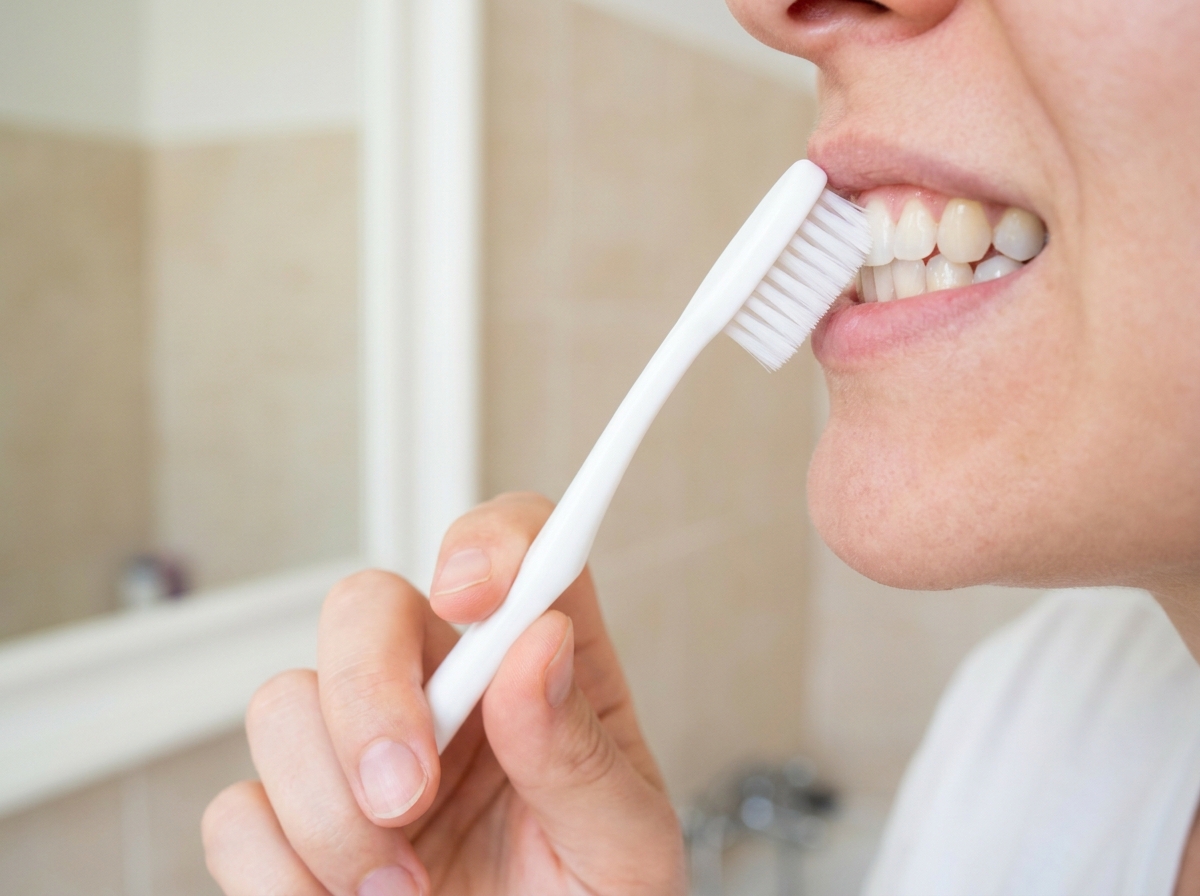
Whether or not you already have some recession, a few habits meaningfully slow or prevent further progression:
Use a soft-bristle brush and let the bristles do the work. Firm pressure doesn’t clean better — it just wears tissue down faster. A soft brush, held at a slight angle to the gumline with gentle, short strokes, cleans just as effectively without the mechanical damage.
Don’t skip your maintenance visits. Plaque below the gumline is invisible and painless until it isn’t. Regular professional cleanings and periodontal maintenance catch the buildup that home care can’t reach, well before it starts affecting the gum attachment.
Get a comprehensive exam if it’s been a while. A proper dental exam includes periodontal measurements — the numbers that tell us whether recession is stable or progressing — not just a visual check for cavities.
Address grinding and misalignment rather than working around them. If you clench or grind, or if crowding is putting certain teeth at higher risk, treating the mechanical cause protects the gum tissue far more effectively than any topical product can.
If you smoke, know that this is one of the more modifiable risk factors on this list. It won’t reverse existing recession, but it measurably changes your risk of further progression and affects how well any corrective treatment holds up.
The bottom line
Gum recession is common, it’s rarely caused by one single habit, and — most importantly — it’s not something you have to just live with once it starts. The tissue that’s already gone won’t grow back on its own, but the progression is very often preventable, and the areas that already show recession can frequently be corrected once we know exactly what’s driving it. If you’ve noticed your gumline has changed, that’s worth a direct look rather than a guess, so we can tell you specifically what’s happening and what your options actually are.

Dr. Elizabeth Wakim, DDS, is the founder of Enhanced Wellness. She’s a compassionate and highly-regarded dentist with her own practice in Washington, Pennsylvania, known for providing modern, comprehensive dental care, botox and facial aesthetics with a focus on patient comfort and anxiety reduction, serving general, cosmetic, and pediatric dentistry needs.