What Actually Happens During a Dental Checkup and Cleaning
A good number of patients tell me some version of the same thing at their first visit: it’s been longer than they’d like to admit since their last checkup, and part of what kept them away was simply not knowing what to expect. Not fear of pain, necessarily — just the vague discomfort of walking into an unfamiliar process.
So let me walk through exactly what happens at a routine checkup and cleaning, step by step, the same way I’d explain it to you in the chair. No judgment about how long it’s been — just a clear picture of what you’re actually walking into.
Why this appointment matters more than “just a cleaning”
It’s easy to think of a checkup as maintenance — pleasant enough, but skippable if your mouth feels fine. The problem with that thinking is that most of what a checkup catches doesn’t cause symptoms until it’s already advanced. Cavities are frequently painless until they reach the nerve. Gum disease is often symptom-free in its early stages. Oral cancer, in particular, is one of the clearest examples of why this appointment matters: when it’s caught early and localized, the five-year survival rate is dramatically higher than when it’s found after it has spread. According to the National Institute of Dental and Craniofacial Research, oral cancer diagnosed at an early, localized stage has a substantially higher five-year survival rate than cancer caught later, which is a large part of why a screening happens at essentially every checkup, whether or not you have any symptoms.
A checkup isn’t really about the fifteen minutes of polishing. It’s about everything else that happens around it. And it’s a step more people skip than you’d expect — CDC survey data shows that only about two-thirds of working-age adults in the U.S. had a dental visit in the past year, which means a large share of the adult population is going without the exact screening that catches problems while they’re still small.
If anxiety is part of what’s keeping you away
I’d be leaving something out if I didn’t address this directly, because it comes up as often as the “it’s been a while” conversation. Dental anxiety is genuinely common, and in my experience it’s rarely about the appointment itself — it’s about not knowing what’s about to happen, or worrying about being judged for the state of your teeth. Neither of those has to be true here. I’ll tell you what I’m doing and why before I do it, there’s no lecture about how long it’s been, and if something is uncomfortable, that’s information I want, not something to push through. If anxiety has been a real barrier for you, mentioning it before the appointment — not during — gives us the chance to adjust the pace, explain more as we go, or discuss options that make the visit easier.
Getting the most out of the appointment
A few small things make the visit more useful, on top of just showing up.
Bring an updated medication list, especially if anything has changed since your last visit. Certain medications — blood thinners, bisphosphonates, and several others — change how we approach treatment, and it’s much easier to plan around that in advance than to discover it mid-appointment.
Mention sensitivity or discomfort before we start, not after. If a specific tooth has been bothering you, or you’ve noticed something that concerns you, telling me at the start lets me focus extra attention there rather than relying on it turning up incidentally.
Don’t skip brushing beforehand out of self-consciousness. I promise you, hygienists have seen every version of “I didn’t have time to brush today” and it changes nothing about how we treat you. Come as you are.
Ask questions as we go. If I say something you don’t fully follow — a periodontal measurement, why we’re taking a particular X-ray, what a finding actually means — ask right then. I’d much rather pause and explain than have you leave with a term you don’t understand.
What actually happens, step by step
Reviewing your health history. Before anything else, I check for changes since your last visit — new medications, new diagnoses, pregnancy, anything that affects how I approach your care. This isn’t a formality. Certain medications cause dry mouth, which increases cavity risk. Certain health conditions change how we manage your gums. This step shapes everything that follows.
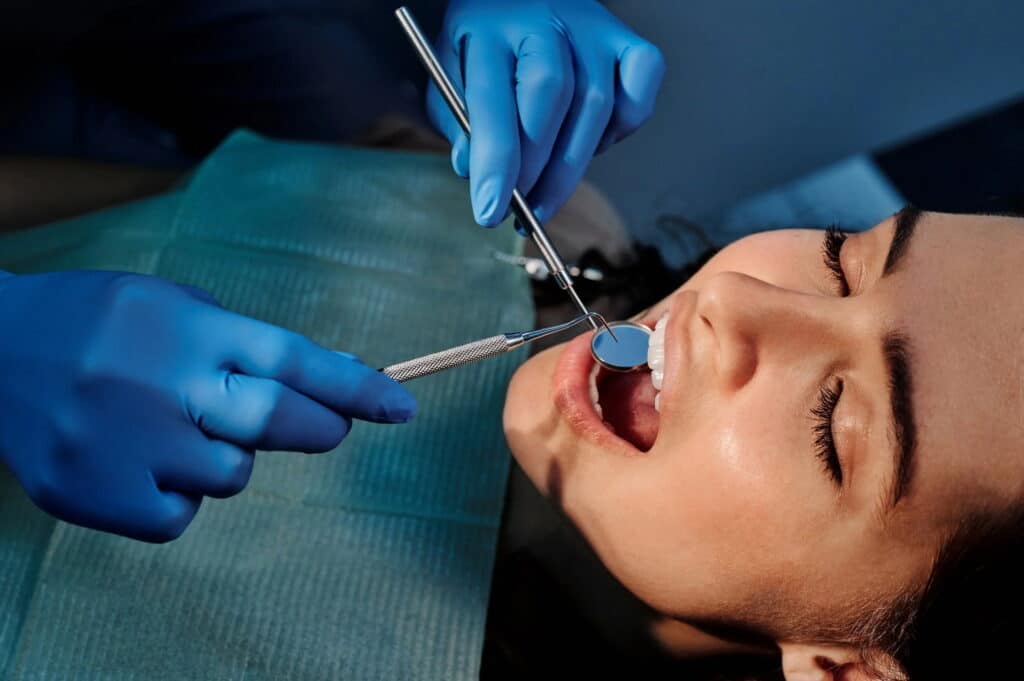
A visual and physical exam. I look at every tooth, the soft tissue of your cheeks, tongue, and the floor of your mouth, and the condition of any existing dental work — fillings, crowns, old bonding — checking for wear, decay, or anything that’s changed since your last visit.
Periodontal charting. Using a small probe, I measure the depth of the space between your gums and teeth at several points around each tooth. These numbers, usually between 1 and 3 millimeters in healthy gums, are how we track gum health objectively over time rather than guessing. Deeper measurements can indicate gum disease, even when your gums don’t look or feel obviously inflamed.
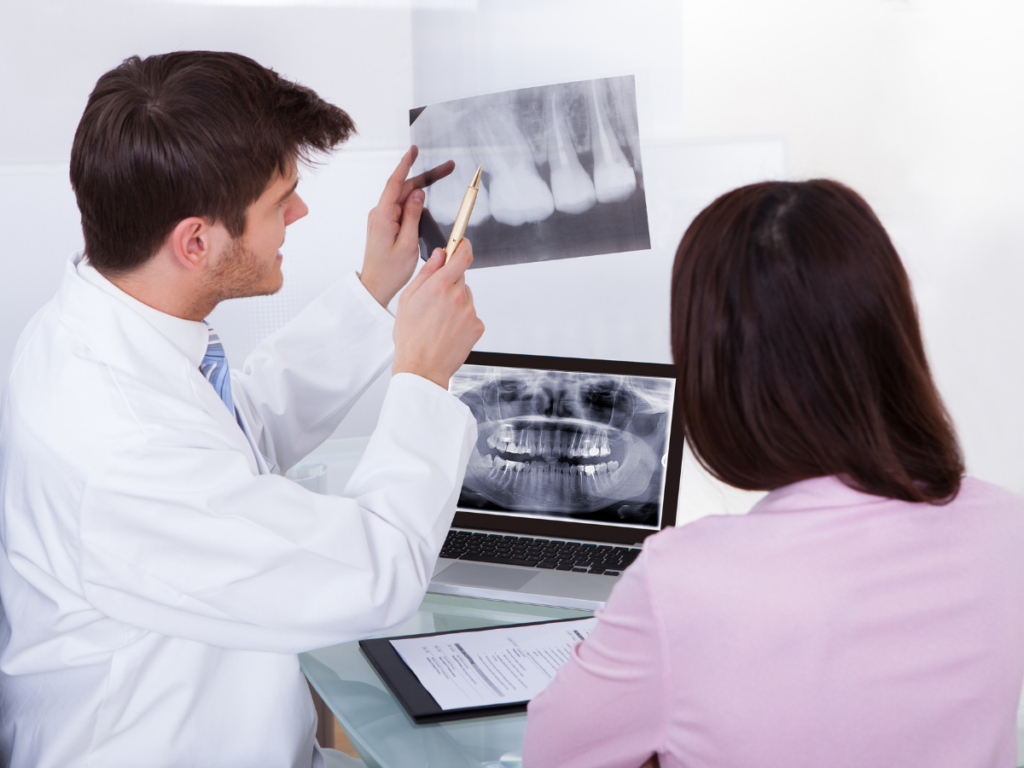
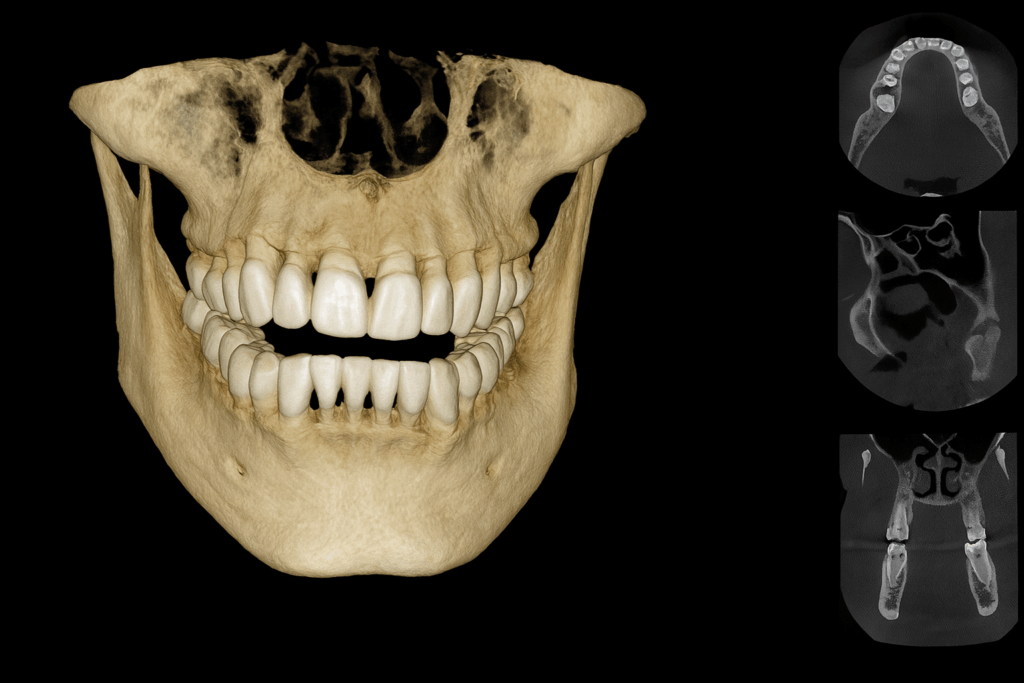
X-rays, on the appropriate schedule. X-rays reveal what a visual exam physically cannot — decay between teeth, bone loss below the gumline, issues under existing fillings or crowns, and the position of teeth that haven’t fully erupted. Frequency depends on your individual risk and history, not a fixed calendar; patients with a low cavity risk and stable dental history may only need bitewing X-rays every 18 to 24 months, while higher-risk patients are imaged more frequently.
Did You Know
When oral cancer is caught early and localized, five-year survival rates are dramatically higher than when it’s found after spreading. A same-day screening that takes less than a minute is one of the most valuable parts of a routine checkup — and it’s included every time, whether or not anything seems wrong.
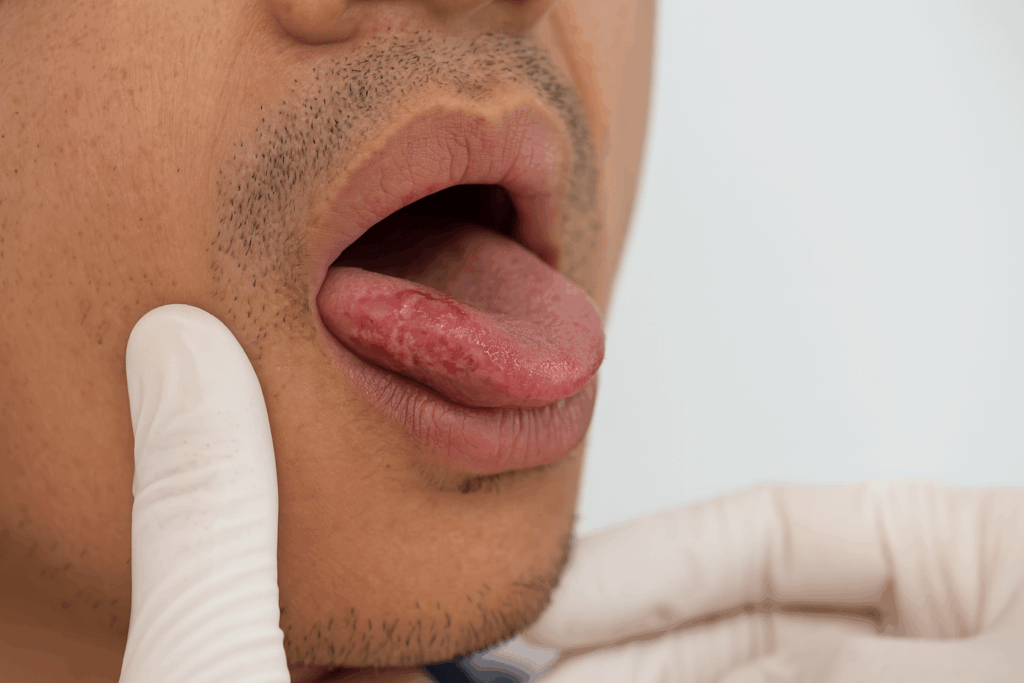
An oral cancer screening. I check the tissue of your lips, cheeks, tongue, floor of the mouth, and throat for anything unusual — a sore that hasn’t healed, a patch of discolored tissue, a lump. This takes under a minute and is one of the simplest, highest-value parts of the entire visit.
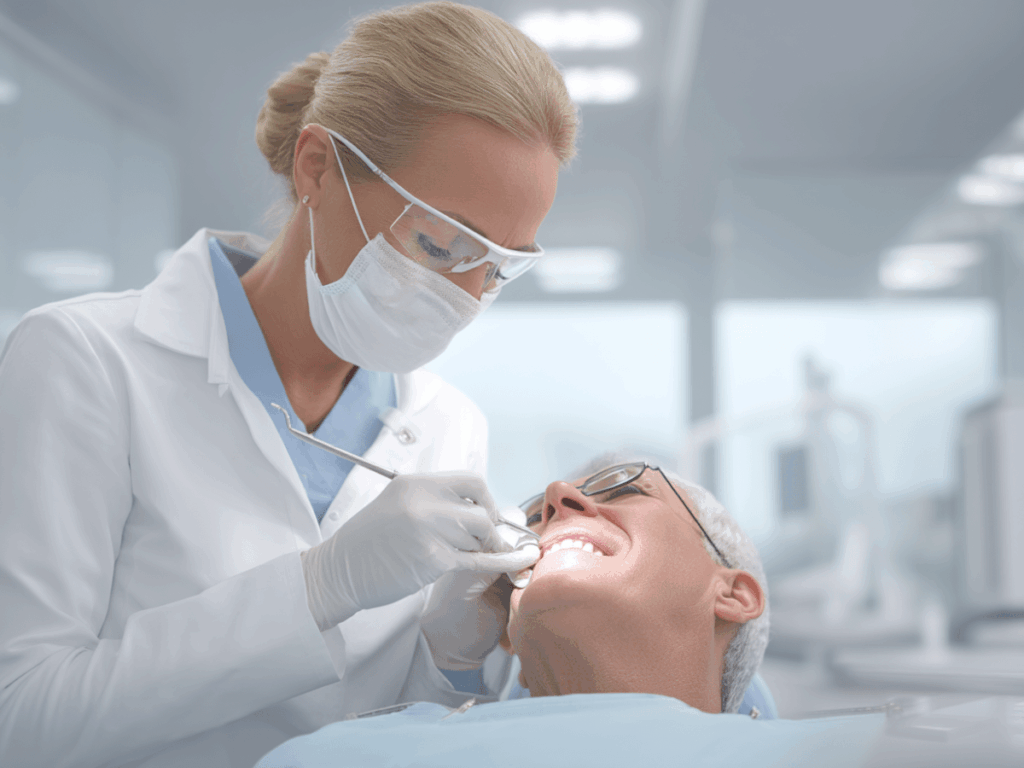
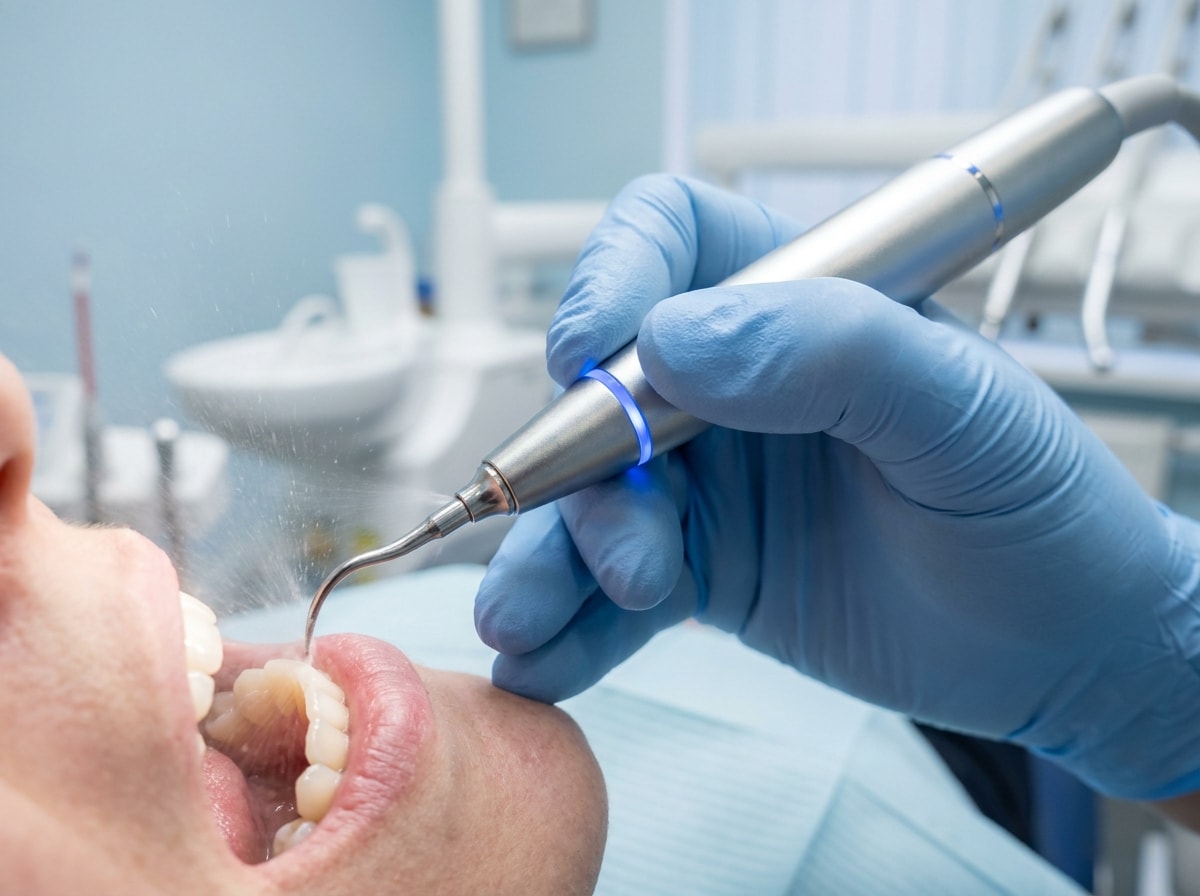
The cleaning itself. A dental hygienist uses a scaler — either a hand instrument or an ultrasonic device that uses vibration — to remove plaque and hardened tartar (calculus) from your teeth, including areas just below the gumline that a toothbrush physically cannot reach. This is followed by polishing with a gritty paste to smooth the tooth surface and remove surface staining, and typically finished with flossing.
Fluoride, if appropriate. Depending on your cavity risk, a fluoride treatment may be applied after the cleaning to help strengthen enamel.
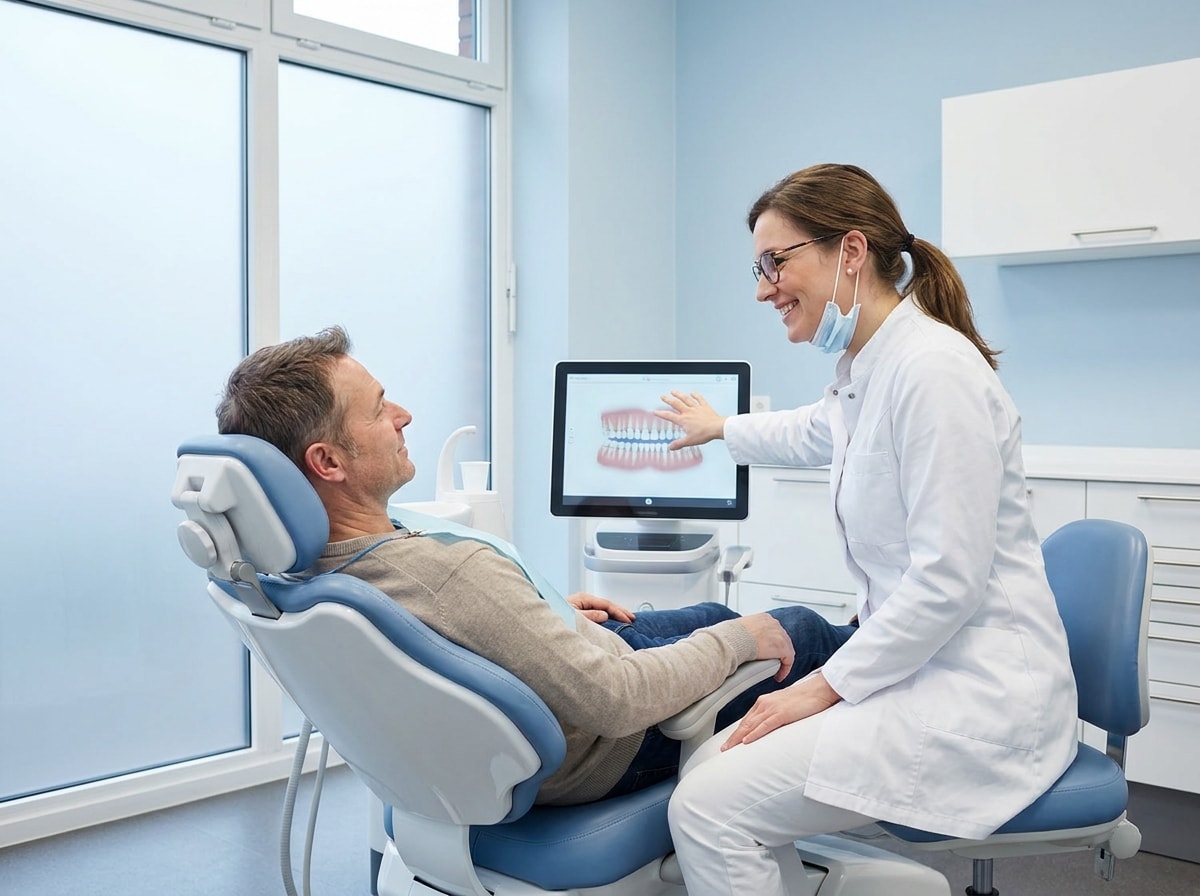
A conversation about what we found. This is where I walk you through anything worth discussing — a spot to keep an eye on, a habit that’s affecting your gums, whether your current X-ray schedule still makes sense — and we plan next steps together rather than you finding out about a problem for the first time when it’s already uncomfortable.
How often you actually need to come in
The “twice a year, no exceptions” rule that most people grew up with isn’t quite how the guidance works anymore. The current, more accurate approach — reflected in updated ADA guidance — is that visit frequency should be based on your individual risk, not a blanket calendar. A patient with excellent gum health, no cavity history, and no major risk factors might genuinely be fine every nine to twelve months. A patient with a history of gum disease, frequent cavities, dry mouth, or certain medical conditions often needs to be seen every three to four months instead. Neither of those is more “normal” than the other — they’re both appropriate for the person they’re recommended for.
Worth Knowing
National health survey data shows that roughly one-third of adults in the U.S. don’t have a dental visit in a given year. Because early gum disease and cavities are frequently painless, skipping checkups doesn’t usually feel risky in the moment — the cost shows up later, as smaller problems have had time to become bigger ones.
If it’s been years, not months, since your last visit
I mention this because it comes up often enough to address directly: patients sometimes delay booking a checkup specifically because it’s been so long that they’re embarrassed, or worried about what we’ll find. Neither reaction is unusual, and neither changes how the appointment goes. The visit is exactly the same regardless of whether it’s been six months or six years — the same review, the same charting, the same conversation about what makes sense from here. Whatever we find is far easier to manage now than after another few years, and my only goal in that first conversation is figuring out where things stand, not reviewing your calendar.
What to expect afterward
Mild sensitivity to hot or cold for a day or two after a cleaning is normal, particularly if it had been a while since your last visit or if any tartar buildup was more significant than usual — it settles on its own. Occasional light bleeding during flossing at the visit itself is also common if your gums were inflamed going in, and it’s actually a sign the cleaning is doing exactly what it’s supposed to. Your teeth may also feel unusually smooth or slightly different against your tongue right after polishing — that’s just the absence of the surface buildup you’d gotten used to, not a sign anything is wrong. If sensitivity or discomfort persists more than a few days, that’s worth a call rather than something to just wait out.
Regular cleaning, deep cleaning, and periodontal maintenance aren’t the same thing
One source of confusion I hear often: patients assume every visit is the same type of cleaning, and are surprised when a hygienist recommends something different than what they’re used to. In reality, there are a few distinct types of cleaning, and which one applies to you depends entirely on the health of your gums, specifically the periodontal measurements taken during the exam.
| Type | Who it’s for | What happens | How often |
|---|---|---|---|
| Regular cleaning (Prophylaxis) |
Healthy or close-to-healthy gum measurements Most patients |
Plaque and tartar removed above and just below the gumline; polish and floss | Typically every 6 months, or per your individual risk schedule |
| Deep cleaning (Scaling & root planing) |
Gum measurements showing active gum disease | Buildup removed further below the gumline; root surface smoothed, usually with local anesthetic, often in sections | One-time treatment, then reassessed |
| Periodontal maintenance | Patients previously treated for gum disease Ongoing care |
Similar to a regular cleaning, but with closer monitoring of periodontal measurements | Typically every 3 to 4 months |
A regular cleaning (prophylaxis) is what most people picture — removing plaque and tartar from above and just below the gumline in a mouth with healthy or close-to-healthy gum measurements. A deep cleaning, more formally scaling and root planing, goes further below the gumline to remove buildup and smooth the root surface in areas where gum disease has already caused the gum to detach from the tooth, typically done in sections with local anesthetic because it reaches deeper than a regular cleaning. Once a patient has been treated for gum disease, they generally move into periodontal maintenance — cleanings on a shorter interval than a standard checkup, because periodontal disease is manageable but not curable in the sense that it requires ongoing monitoring to keep it from progressing again.
Whichever type applies to you isn’t a reflection of how well you brush and floss at home — it’s simply where your gum health is right now, and the plan is always to keep you at the least intensive level your gums can safely maintain.
The bottom line
A checkup is doing far more work than the fifteen minutes of polishing suggests — it’s periodontal tracking, decay detection, an oral cancer screening, and a chance to catch small issues while they’re still small and inexpensive to treat. If it’s been a while, the appointment itself is straightforward and judgment-free; the only real cost of waiting longer is that whatever’s there has more time to grow. If you’re not sure where your gum health currently stands, which type of cleaning you actually need, or whether your current visit frequency still makes sense for you, that’s exactly what the next visit is for — not a guess you have to make on your own.

Dr. Elizabeth Wakim, DDS, is the founder of Enhanced Wellness. She’s a compassionate and highly-regarded dentist with her own practice in Washington, Pennsylvania, known for providing modern, comprehensive dental care, botox and facial aesthetics with a focus on patient comfort and anxiety reduction, serving general, cosmetic, and pediatric dentistry needs.