Cavities: How They Really Form and How We Actually Treat Them
“I don’t understand how I got a cavity — I brush every day.”
I hear this often enough that it’s worth addressing head-on: a cavity isn’t a verdict on your character or your effort. It’s the result of a specific, well-understood chemical process that tips out of balance, sometimes because of habits, sometimes because of anatomy or saliva chemistry you don’t have much control over, and often because of a combination of small factors that add up quietly over months or years. Understanding how that process actually works changes how you think about prevention — and it explains why the same small spot of decay can either reverse completely or turn into a root canal, depending entirely on when it’s caught.
How a cavity actually forms
Your mouth is in a constant, invisible tug-of-war between two processes: demineralization and remineralization. Every time you eat, bacteria in the plaque film on your teeth feed on sugars and starches and produce acid as a byproduct. That acid pulls minerals — calcium and phosphate — out of your enamel, a process called demineralization. In between meals and snacks, your saliva does the opposite: it neutralizes the acid and redeposits minerals back into the enamel, a process called remineralization.
For most of your life, these two processes roughly balance out. A cavity starts forming when demineralization consistently outpaces remineralization — usually from frequent snacking or sipping sugary or acidic drinks throughout the day, which doesn’t give saliva enough time between exposures to catch up, combined with plaque that isn’t being disrupted regularly enough by brushing and flossing.
The bacteria behind the acid
The acid itself doesn’t come from the food directly — it comes from specific bacteria, most notably Streptococcus mutans, that live in the sticky plaque biofilm on your teeth and metabolize sugars and starches as their food source. As they feed, they excrete acid as a waste product, and that acid is what actually dissolves the minerals out of your enamel. This is also why cavity risk isn’t identical for everyone with similar diets — the composition of your personal oral bacteria, which can vary based on genetics, saliva chemistry, and even bacteria transferred from close contact with other people early in life, plays a real role in how cavity-prone you are.
A quick myth worth clearing up: cavities themselves aren’t contagious, but the bacteria that cause them can be transferred through saliva — sharing utensils, cups, or kissing can transfer cariogenic bacteria between people, which is part of why cavity risk sometimes clusters within families beyond just shared diet and habits.
Another common misconception: “sugar-free” doesn’t automatically mean “safe for your teeth.” Acid itself — from citrus, sparkling water, wine, or other acidic foods and drinks — demineralizes enamel even without any sugar involved. The bacteria need sugar to produce acid, but acid from your diet directly does the same damage on its own.
What makes some people more cavity-prone than others
Dry mouth. Saliva is doing most of the remineralization work described above, so anything that reduces saliva flow — certain medications, radiation treatment, some medical conditions — meaningfully increases cavity risk, independent of diet or hygiene.
Deep grooves in your molars. The chewing surfaces of back teeth naturally have pits and fissures that are harder to clean thoroughly with a toothbrush, which is exactly why sealants (more on this below) target these teeth specifically.
Orthodontic appliances. Braces and certain retainers create additional surfaces and gaps where plaque accumulates and is harder to remove, which is part of why patients in active orthodontic treatment are often seen more frequently.
Frequent snacking or grazing. As mentioned above, it’s less about total sugar intake and more about how often your teeth are exposed to it throughout the day — three sugary exposures spread across an afternoon do more damage than the same amount consumed in one sitting.
The stage that changes everything
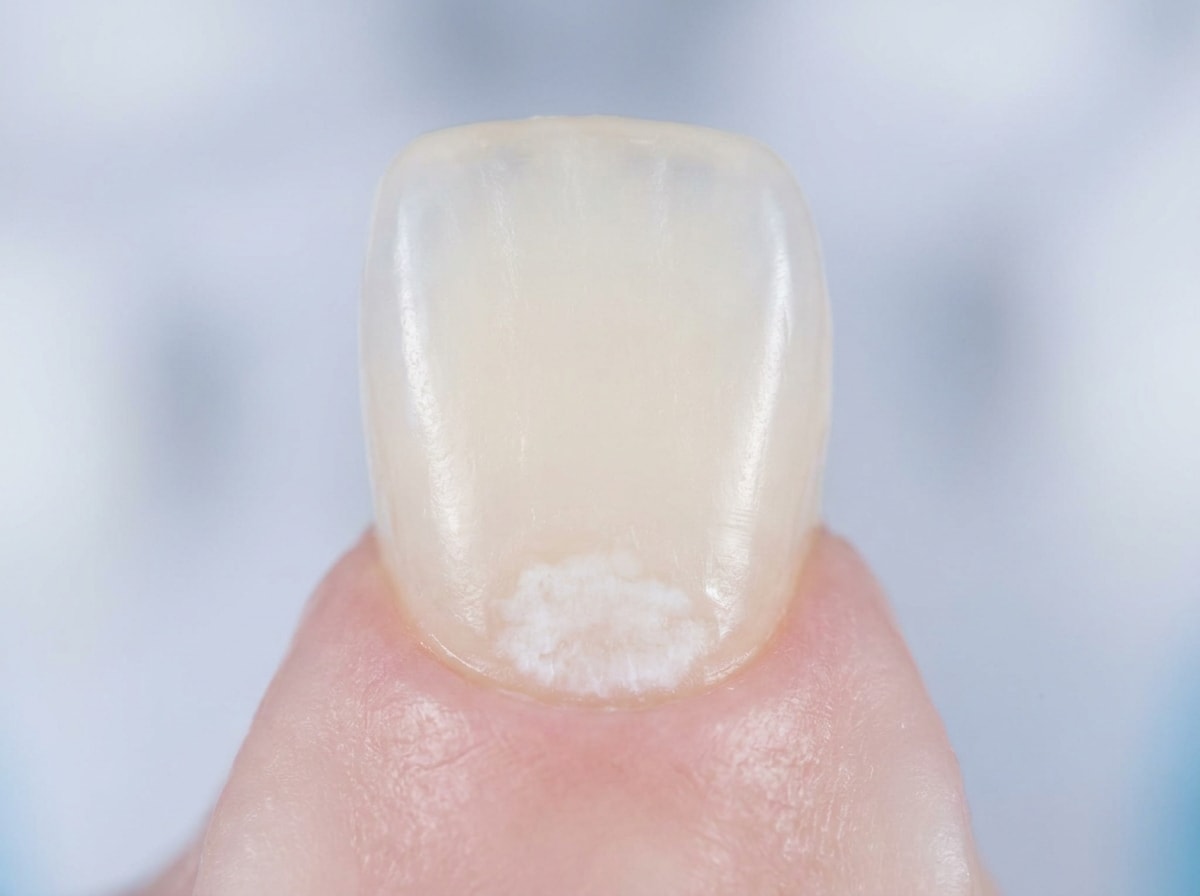
Here’s the part that surprises most patients: early tooth decay is not automatically permanent. Before a cavity actually forms — while the damage is still confined to the outer enamel and hasn’t yet broken through the surface — it shows up as a small, chalky white spot, sometimes called a white-spot lesion. At this exact stage, the damage can genuinely be reversed. A systematic review and meta-analysis of remineralizing treatments found that fluoride and other mineral-based agents can measurably rebuild these early lesions when the enamel surface is still intact.
Once that surface actually breaks down into a physical hole — a true cavity — that changes irreversibly. No amount of fluoride, diet change, or home remedy rebuilds enamel that’s already collapsed. This is the single most important distinction in this entire topic, and it’s exactly why catching decay at routine checkups, before you can feel or see it, changes the entire treatment path.
Did You Know
Roughly 1 in 5 adults ages 20 to 64 currently has at least one untreated cavity, and an estimated 91% of adults in that age range have experienced tooth decay at some point. Cavities are one of the most common chronic conditions in the country — having one isn’t a sign of neglect, it’s a sign of being human.
Why “it’s just a small cavity” doesn’t stay small
Once decay has broken through the enamel, it doesn’t stop or slow down on its own — it progresses through the tooth in a fairly predictable sequence, and each stage requires a more involved treatment than the last.
Enamel decay is the outermost layer, and often the point at which decay is caught on a routine X-ray before you’d ever feel it. Dentin decay is the next layer in — softer than enamel, so decay spreads through it faster, and this is often when sensitivity to sweets or temperature starts. Pulp involvement means decay has reached the nerve and blood supply at the center of the tooth, which is when pain typically becomes impossible to ignore, and when a filling alone is no longer enough. Left further untreated, an infection can develop at the root tip, which can mean the difference between saving the tooth and losing it.
This is the practical reason a “wait and see” approach with a known cavity almost always costs more, in both money and treatment complexity, than addressing it early. A cavity caught at the enamel stage might mean a single small filling. The same tooth, left unaddressed for a couple of years, can mean a root canal and a crown instead of a filling — a bigger procedure, a bigger cost, and a tooth that’s permanently more fragile than it would have been.
Worth Knowing
A cavity doesn’t progress on a predictable calendar — some move quickly, others take years — but it never reverses once it’s cavitated, and it typically gets more expensive and more invasive to treat the longer it’s left alone. The tooth that needs a small filling today is often the same tooth that needs a root canal and crown in a few years if nothing is done.
How we actually treat a cavity, depending on the stage
What treatment makes sense depends entirely on how far the decay has progressed by the time it’s found, which is exactly why the stage matters so much more than the size of the visible spot.
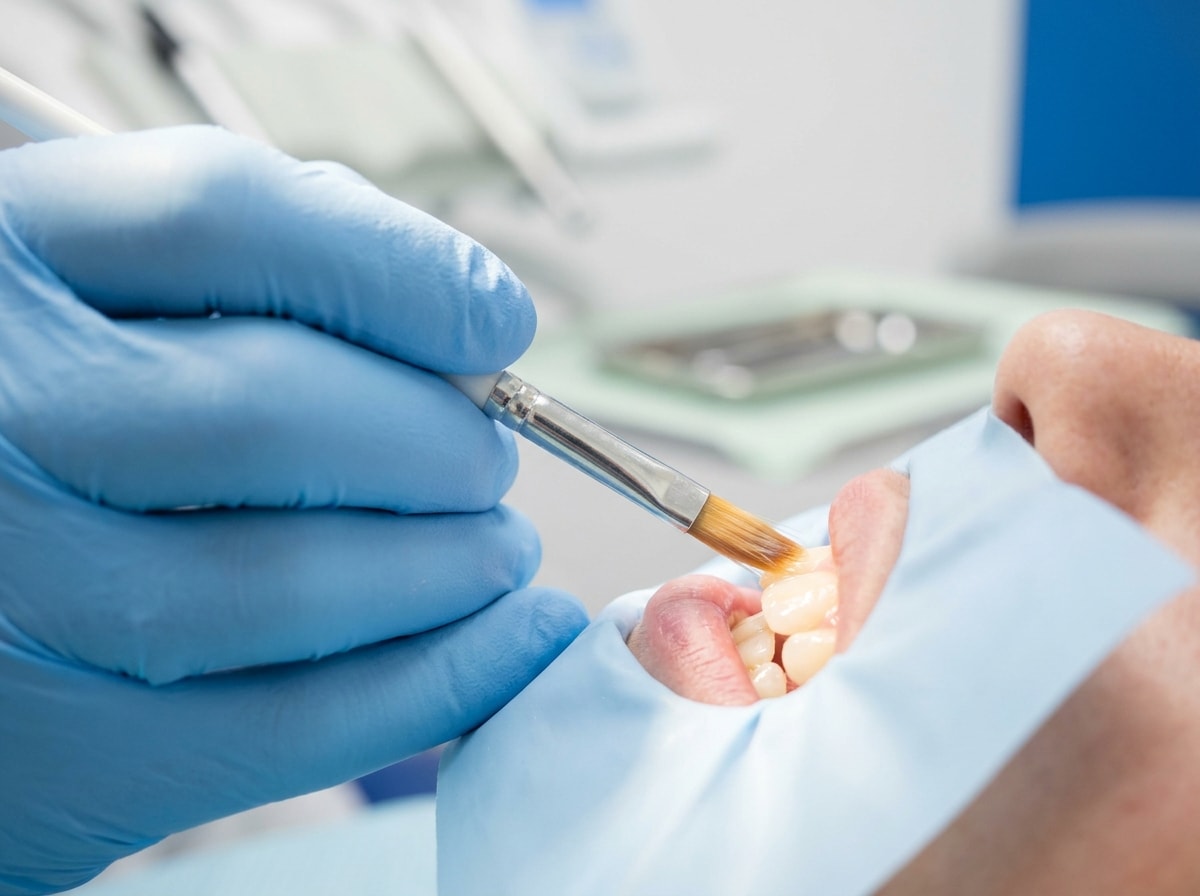
A white-spot lesion — decay caught before cavitation — is managed with fluoride, not a drill. This might mean a professional fluoride varnish applied at your visit, a prescription-strength fluoride toothpaste for home use, and addressing whatever’s driving the imbalance, whether that’s diet, dry mouth, or hygiene technique. Reversal typically takes a few months of consistent effort, not an overnight fix.
A cavity confined to enamel or the outer dentin is treated with a filling — removing the decayed portion of the tooth and replacing it with a tooth-colored composite resin that’s bonded and hardened in a single visit. This is the most common cavity treatment by far, and for a cavity caught at this stage, it’s usually quick and straightforward.
Decay that’s destroyed a significant portion of the tooth structure, even without reaching the nerve, sometimes needs a crown rather than a filling, because there isn’t enough remaining healthy tooth to support a filling reliably under normal biting forces.
Decay that’s reached the pulp — the nerve and blood supply at the center of the tooth — requires a root canal to remove the infected tissue and save the tooth, typically followed by a crown to restore and protect what’s left of the structure.
In the most advanced cases, when too much of the tooth has been lost or an infection can’t be resolved, extraction becomes the only remaining option, usually followed by a conversation about replacing the tooth to prevent the shifting and bone loss that follows a gap being left untreated.
Regardless of which stage applies, the earlier we catch it, the smaller and less invasive the fix — which is really the whole argument for routine exams and X-rays over waiting for a cavity to announce itself with pain.
| Stage | What’s happening | Treatment | Reversible? |
|---|---|---|---|
| White-spot lesion | Enamel demineralized but surface still intact — no hole yet | Fluoride varnish, prescription toothpaste, habit changes | Yes Best-case scenario |
| Enamel or outer dentin cavity | Surface has broken down into a physical hole | Filling — decayed portion removed, replaced with composite resin | No, but simplest fix at this point Most common |
| Extensive structural loss | Too much tooth lost for a filling to be reliable | Crown — full coverage restoration over the remaining tooth | No |
| Pulp involvement | Decay has reached the nerve and blood supply | Root canal, typically followed by a crown | No Needs prompt care |
| Advanced / unresolvable infection | Tooth structure or infection can’t be salvaged | Extraction, followed by a conversation about replacement | No Last resort |
Signs worth paying attention to
Because early decay often has no symptoms at all, the signs below usually mean decay has already progressed past the stage where it can reverse on its own — they’re a reason to get in sooner, not a reliable way to catch a cavity early.
- Sensitivity to sweet foods or temperature that wasn’t there before
- A visible dark spot or pit on a tooth, especially in the grooves of your molars
- Food consistently getting caught in the same spot between two teeth
- A rough or catching sensation when you run your tongue over a tooth
- Any pain when biting down, which often signals decay has reached the nerve
None of these are things to wait out. By the time a cavity is symptomatic, it has typically already moved past the stage where the smallest, simplest treatment still applies.
What actually reduces your risk going forward
Reduce how often, not just how much, you expose your teeth to sugar and acid. Sipping a sugary drink slowly over two hours does more damage than drinking the same amount quickly, because it keeps the acid attack going continuously instead of giving your saliva a chance to recover in between.
Use a fluoride toothpaste consistently. Fluoride is the most well-documented tool for supporting remineralization and making enamel more acid-resistant in the first place — this is the daily habit doing the most quiet, ongoing protective work.
Don’t skip the basics of brushing and flossing technique. Plaque is the raw material for the acid that causes all of this, and disrupting it consistently, at the gumline and between teeth, is what keeps the demineralization side of the equation in check.
Consider sealants if you’re cavity-prone. For patients with deep grooves in their molars where plaque and food collect, dental sealants have been shown to reduce cavities in those teeth by around 80% for the first two years and continue offering meaningful protection for years after that.
Don’t skip checkups and X-rays. This is genuinely the difference between catching a white-spot lesion that can still be reversed and finding out about a cavity only once it hurts. If it’s been a while since your last visit, a comprehensive exam is the fastest way to find out where things currently stand.
The bottom line
A cavity is a chemistry problem before it’s ever a drilling problem — a tipping point between the acid attacking your enamel and your saliva’s ability to repair it. Caught early enough, at the white-spot stage, it’s genuinely reversible with fluoride and better habits, no drill required. Caught late, it isn’t, and the same spot that could have been managed with a small filling can turn into a root canal and a crown. The single biggest lever you have isn’t a miracle toothpaste or a home remedy — it’s catching decay at the earliest possible stage, which mostly comes down to routine checkups and not waiting for a toothache to tell you something’s wrong.

Dr. Elizabeth Wakim, DDS, is the founder of Enhanced Wellness. She’s a compassionate and highly-regarded dentist with her own practice in Washington, Pennsylvania, known for providing modern, comprehensive dental care, botox and facial aesthetics with a focus on patient comfort and anxiety reduction, serving general, cosmetic, and pediatric dentistry needs.