Dry skin does not take a break in summer. The heat, the extra sun exposure, the air conditioning, the increased cleansing all quietly chip away at your skin barrier, and dry skin types feel it faster than anyone else.
If your skin has been feeling tight, dull, or flaky lately, your current routine probably just needs a few targeted tweaks. Nothing dramatic, just the right products in the right order for what summer actually does to your skin.
At Enhanced Wellness, our expert team takes a personalized approach to every skin concern. From red light therapy and biomodulation to facial aesthetics, we combine advanced treatments with one-on-one consultations to build a plan that works for your skin specifically, not just your skin type.
Everything below is broken down step by step, from the products and ingredients that actually deliver to the habits that make them work, so your skin stays hydrated and healthy all summer long.
💧 Did You Know? Dry skin in summer is not just about the heat. Air conditioning, UV exposure, and over-cleansing all quietly break down your skin barrier, and dry skin types feel it faster than anyone else. The right routine makes all the difference.
Why Does Skin Get Dry in Summer?
Most people assume humidity keeps skin hydrated in summer. And while outdoor humidity does help, what happens indoors tells a completely different story.
- Air Conditioning: Studies show that indoor humidity in air-conditioned environments can drop below 30 percent, a level at which transepidermal water loss increases significantly and skin dehydration accelerates. Most people assume humidity keeps skin hydrated in summer, and while outdoor humidity does help, what happens indoors tells a completely different story.
- UV Exposure: Prolonged exposure to harmful UV rays breaks down collagen and weakens your skin barrier over time, leaving even well-hydrated skin feeling dry and dull. Recovering from sun damage goes beyond basic moisturizing, which is why daily sun protection is non-negotiable.
- Over-Cleansing: Sweating more in summer is natural, and so is the urge to cleanse more often. The problem is that washing your face too frequently strips the skin of its natural oils, leaving the barrier exposed and your skin more prone to dehydration.
- Pool and Beach Days: Chlorine in pools and salt in seawater are both harsh on the skin barrier. They draw out moisture and can leave skin feeling rough and tight long after you have rinsed off.
The common thread across all of these is a weakened skin barrier, and that is exactly what the right summer routine is designed to protect.
Know Your Skin Barrier: It Is the Real Issue
According to the National Eczema Association, a healthy skin barrier is what stands between your skin and everything that could irritate or dry it out. Your skin barrier is the outermost layer of your skin. Its job is simple: keep moisture in and irritants out. Think of it as a brick wall where skin cells are the bricks and natural lipids like ceramides, cholesterol, and fatty acids are the mortar holding everything together.
When the barrier is healthy, skin feels soft, plump, and comfortable. When it is compromised, moisture escapes and irritants get in, which shows up as dryness, flaking, tightness, and sensitivity.
Dry skin types naturally produce less sebum than oily or combination skin, which means the barrier is already working with less to begin with. Add summer stressors like UV exposure, air conditioning, and over-cleansing on top of that, and the barrier breaks down faster than it can repair itself.
This is why everything in a good summer routine for dry skin comes back to one thing: protecting and strengthening the barrier first. If you have ever noticed your skin feeling better in summer under the right conditions, a well-functioning barrier is usually the reason why.
What to Look for in Summer Skincare Products
Not all skincare products are created equal, and for dry skin types in summer, the ingredients list matters more than the packaging or the price tag. In fact, research recommends looking beyond marketing claims and focusing on specific active ingredients that are proven to support skin barrier function and hydration.
Ingredients to Embrace
- Hyaluronic Acid: A powerful humectant that draws water into the skin and holds up to 1,000 times its weight in moisture, making it one of the most effective hydrating ingredients available for dry skin types.
- Ceramides: Lipids that naturally occur in the skin barrier. Replenishing them topically helps repair and strengthen the barrier, especially after sun exposure.
- Glycerin: A humectant that pulls moisture from the environment into the skin. Affordable, well-tolerated, and incredibly effective.
- Niacinamide: Reduces water loss through the skin, calms redness, and improves overall barrier function without clogging pores.
- Aloe Vera: Soothes and hydrates at the same time, making it especially useful after long days in the sun.
Ingredients to Avoid
- Alcohol-Based Toners: Evaporate quickly and take moisture with them, leaving dry skin even more dehydrated.
- Heavy Fragrances: One of the most common causes of skin irritation and barrier disruption, particularly in already-sensitive dry skin types.
- Harsh Sulfates: Like sodium lauryl sulfate found in cleansers, these strip the skin of its natural oils, which dry skin cannot afford to lose.
Getting familiar with these ingredients makes every product decision easier, and your skin will reflect the difference pretty quickly.
✨ Enhanced Wellness Tip: Not sure which ingredients are right for your skin type? Our team at Enhanced Wellness offers personalized consultations to help you build a routine that actually works for your skin. Book your consultation today.
Your Morning Routine, Step by Step
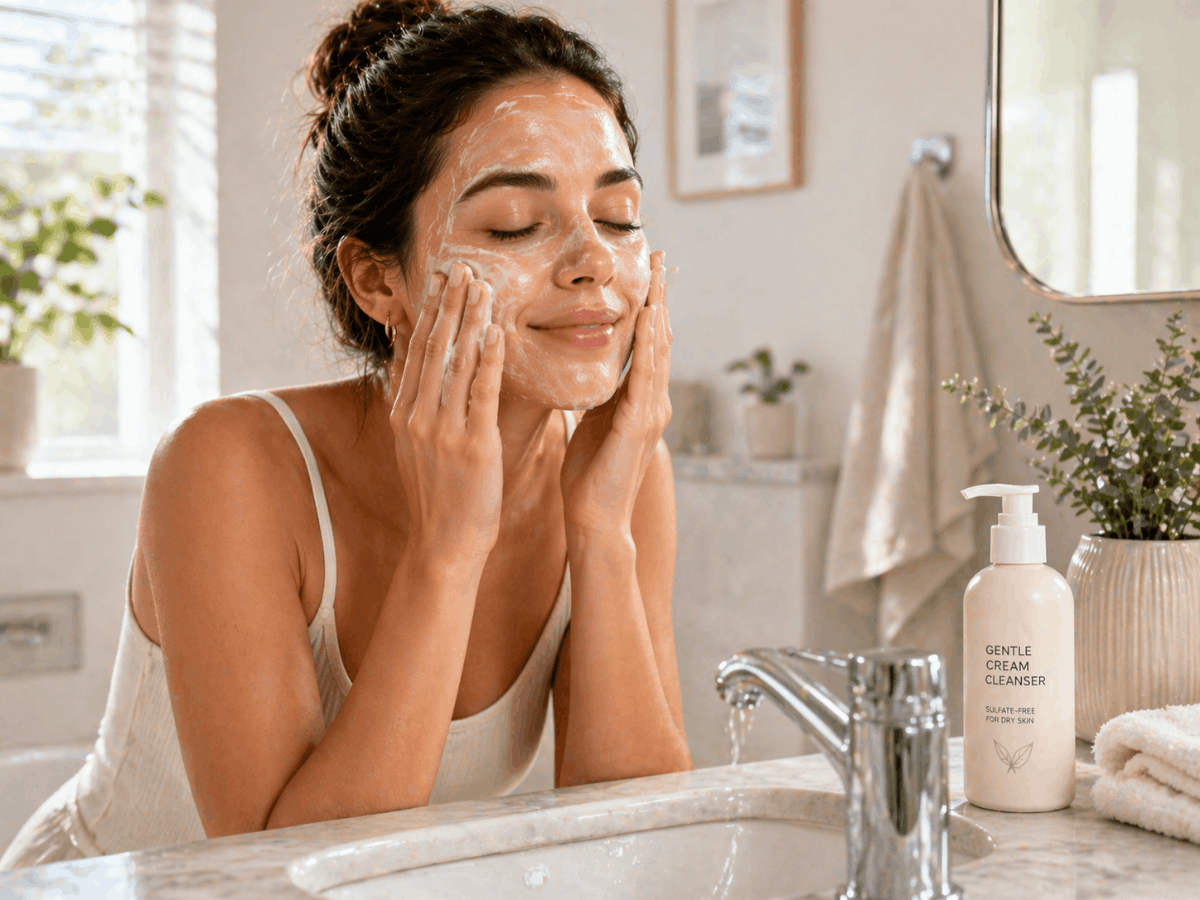
Your morning routine sets your skin up for everything the day throws at it, from UV exposure to air-conditioned environments. For dry skin types, the goal is simple: hydrate, protect, and seal it all in.
Step 1: Gentle, Hydrating Cleanser
Start with a super gentle, sulfate-free cleanser that removes overnight buildup without stripping your natural oils. Cream or milk cleansers work best for dry skin types. Rose water based cleansers are also a great option as they are naturally soothing and hydrating. Avoid anything that leaves your skin feeling squeaky clean as that is a sign the barrier has been over-cleansed.
Step 2: Hydrating Toner or Essence
Apply a hydrating toner or essence while your skin is still slightly damp. Alcohol free toners are essential here as alcohol based formulas strip moisture and leave skin dry and irritated. This step preps the skin to absorb everything that comes next and gives your hydration levels an early boost before the heavier steps.
Step 3: Hyaluronic Acid Serum
Apply your hyaluronic acid serum onto damp skin for maximum absorption. This is the step that pulls moisture into the deeper layers of the skin and holds it there throughout the day. With consistent use it also helps improve skin texture, minimizes the appearance of fine lines, and supports overall skin recover after sun exposure.
Step 4: Lightweight Moisturizer
Swap your heavier cream for a gel-cream formula in summer. It delivers the hydration dry skin needs without feeling heavy or greasy in the heat. Look for one that contains ceramides or glycerin for added barrier support. Formulas with shea butter work well for very dry patches but keep them for nighttime if you have enlarged pores or wear makeup during the day.
Step 5: SPF 30 or Higher
Sunscreen is non-negotiable for dry skin types in summer. UV exposure is one of the leading causes of barrier damage, and a damaged barrier cannot hold moisture. Choose a hydrating SPF formula rather than a matte or oil-control one, as those tend to be drying. For long-term results, pairing SPF with the right anti-aging products makes all the difference.
Every step in this routine builds on the last, so skipping one affects how well the others perform.
Weekly Add-Ons for Dry Skin in Summer
Your daily routine handles the basics, but these weekly treatments take your skin’s hydration and recovery to the next level. None of them requires much time, but all three make a noticeable difference.
Gentle Exfoliation
Limit exfoliation to once or twice a week maximum, and choose a chemical exfoliant over a physical scrub. Lactic acid is the best option for dry skin types as it exfoliates the surface while simultaneously drawing moisture into the skin. Physical scrubs with gritty particles can create micro-tears and further compromise an already vulnerable barrier.
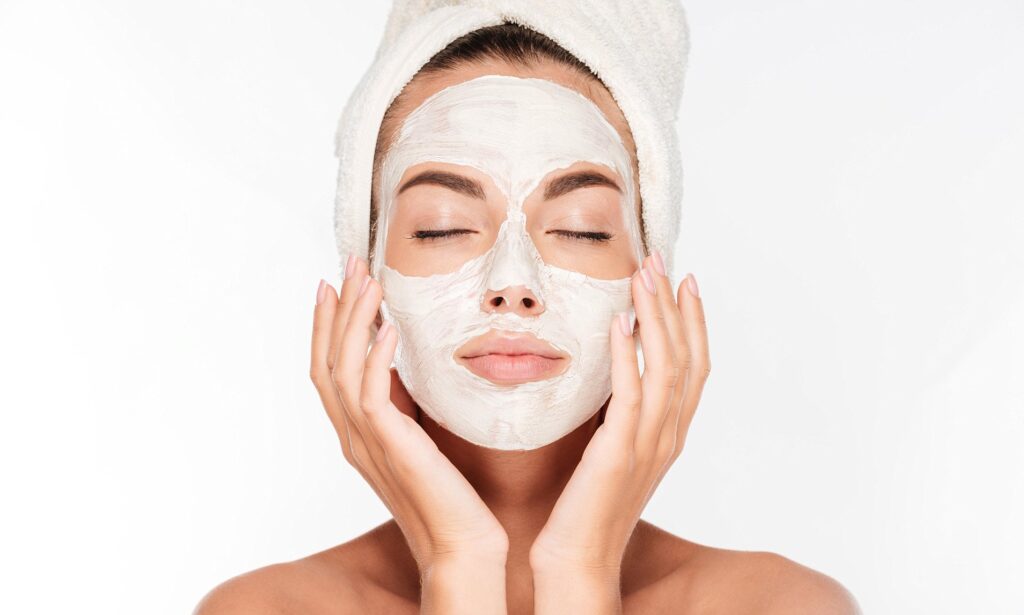
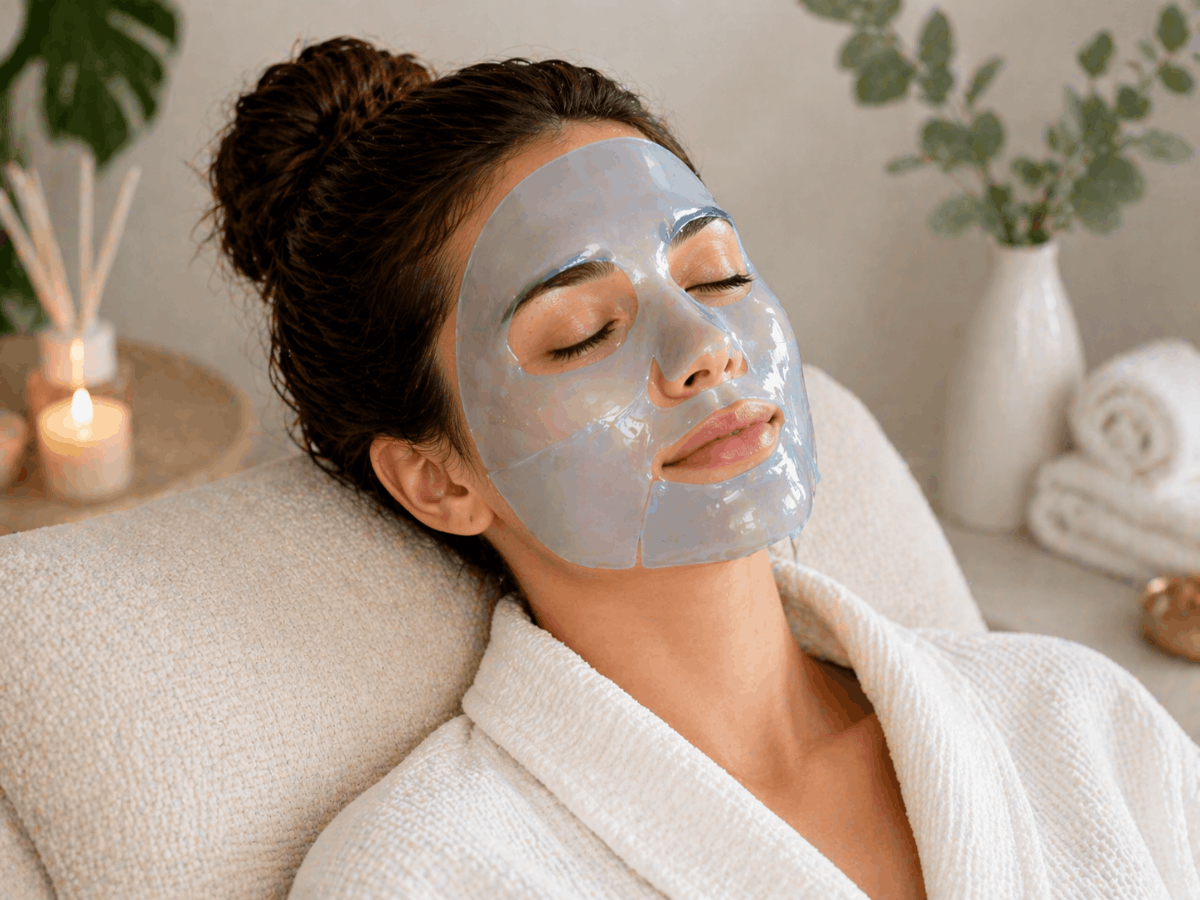
Hydrating Face Mask
A hydrating mask once or twice a week gives your skin an intensive moisture boost that your daily routine cannot replicate on its own. Look for masks with hyaluronic acid or aloe vera as the primary active ingredients. Post-sun days are the best time to reach for one, as your barrier will have taken the most damage.
Facial Oil Boost
On nights when your skin feels particularly dry or tight, add two to three drops of a nourishing facial oil like squalane or rosehip to your night moisturizer before applying. This seals everything in and gives your barrier extra support while you sleep without feeling heavy or clogging pores.
Think of these as your weekly reset, the steps that keep your routine from plateauing and your skin consistently balanced through the season. For those looking to go a step further, filler injections can restore lost volume and improve skin texture in areas where topical products have their limits, offering a complement to a consistent skincare routine rather than a replacement for one.
Lifestyle Habits That Make or Break Your Routine
The best skincare routine in the world only goes so far if the habits around it are working against your skin. These small daily changes make a bigger difference than most people expect.
- Drink enough water: Skin hydration starts from within. Drinking plenty of water throughout the day matters because when your body is dehydrated, your skin is one of the last organs to receive water, which means dryness shows up on your face before you even feel thirsty.
- Shower in lukewarm water, not hot: Hot showers break down the lipid barrier on your skin just as effectively as harsh cleansers do. Keeping your shower temperature to warm water, especially on your face, reduces moisture loss significantly.
- Use a humidifier in air-conditioned rooms: Air conditioning pulls humidity out of the air, and your skin pays the price. A small humidifier in your bedroom or workspace adds moisture back into the environment and helps your skin stay hydrated overnight.
- Never skip SPF on cloudy days: Up to 80 percent of harmful UV rays penetrate through clouds. Skipping sunscreen because it looks overcast is one of the most common ways dry skin types unknowingly accumulate barrier damage over the summer. Always apply sunscreen with at least SPF 30 broad-spectrum protection as part of your morning skin care routine, year-round, regardless of the weather.
Your routine and your habits work together. Getting both right is what keeps dry skin consistently under control rather than just temporarily relieved. For those dealing with persistent skin concerns that go beyond daily care, treatments like Botox can complement a solid skincare routine by addressing fine lines and skin aging at a deeper level that topical products alone cannot always reach.
FAQs
What is the best moisturizer for dry skin in summer?
Look for a gel-cream or light moisturizer with ceramides, glycerin, or hyaluronic acid as your key ingredients. These keep your skin healthy and hydrated effectively without feeling heavy in high temperatures. Avoid ultra-rich or intensive repair creams during the day as those are better suited for nighttime, especially if you wear makeup over your skincare.
How do I moisturize dry skin in summer without feeling greasy?
Switch to a light moisturizer or gel-cream formula and apply it onto slightly damp skin. This helps it absorb faster and more evenly with no heavy residue sitting on the surface. This approach works for all skin types, including oily skin and sensitive skin, making it a reliable go-to during the summer season.
Can I skip exfoliation if my skin is already dry and sensitive?
Skip it if your barrier is visibly compromised, red, or irritated. Once your skin is stable, a gentle exfoliant used once a week with lactic acid helps remove dirt and dead skin cell buildup that blocks your other products from absorbing properly. As board certified dermatologists recommend, chemical exfoliation is always a safer choice over physical scrubs for dry and sensitive skin types.
Why is my skin so dry even when I moisturize?
A compromised barrier lets moisture escape just as fast as you apply it. Layer correctly: a hydrating serum or niacinamide serum on damp skin first, then a light moisturizer on top to seal it in. If dryness persists despite a consistent skin care routine, consult a skin professional to rule out conditions like eczema or atopic dermatitis that affect overall skin health.
Can I use hyaluronic acid in the sun?
Yes, and you should. Hyaluronic acid is a humectant, not a photosensitizing ingredient, so it is completely safe to use during the summer months. It is also one of the most effective ingredients for dehydrated skin as it draws moisture into the skin and holds it there. Just make sure to follow it with a broad spectrum SPF to protect your barrier, prevent sun damage, and lock in the hydration it delivers.
Ready for Skin That Actually Thrives This Summer?
Dry skin in summer is manageable, but it does require the right approach. A routine built around barrier protection, the right ingredients, and a few simple lifestyle habits makes more of a difference than any single product ever will. If you have been consistent with your routine and your skin is still not responding the way it should, it may be time to look beyond the bathroom shelf.
At Enhanced Wellness, our team takes a personalized approach to every skin concern, combining advanced treatments like red light therapy, biomodulation, and facial aesthetics with one-on-one consultations to get to the root of what your skin actually needs. Contact Enhanced Wellness at (724) 558-8222 or use our contact form to schedule a consultation and get a personalized plan built around your skin’s unique needs.

Dr. Elizabeth Wakim, DDS, is the founder of Enhanced Wellness. She’s a compassionate and highly-regarded dentist with her own practice in Washington, Pennsylvania, known for providing modern, comprehensive dental care, botox and facial aesthetics with a focus on patient comfort and anxiety reduction, serving general, cosmetic, and pediatric dentistry needs.