Does Mewing Work? What a Dentist Says About Tongue Posture, Jawlines and the TikTok Claims
Seen mewing all over TikTok and wondering if it can really reshape your jaw? Dr. Liza Wakim explains what mewing is, what the evidence does and does not show, the risks for your jaw, and what actually changes a jawline

Mewing has become one of the most talked-about trends online, with before-and-after photos promising a sharper jawline from simply pressing your tongue to the roof of your mouth. I understand the appeal: it is free, it seems simple, and the photos can look convincing.
As a dentist who treats jaw pain and clenching every week, I want to give you an honest view. In this post I will explain what mewing is, what the research shows, where tongue posture genuinely matters, and when mewing can do more harm than good.
The short version
- Mewing means resting your whole tongue against the roof of your mouth, with lips closed and teeth lightly together or apart.
- There is no good-quality evidence that mewing reshapes the jaw or face in adults.
- Forcing tongue or jaw posture can aggravate jaw pain, clenching and TMJ problems.
- Good tongue posture and nasal breathing do matter, especially in growing children, but that is different from the TikTok claims.
Does mewing work? The short answer
For reshaping an adult jawline, there is no reliable evidence that it does. The American Association of Orthodontists notes that there is no scientific evidence that mewing changes the shape of the face or jaw, and cautions against relying on it instead of proper treatment. Many dramatic before-and-after photos can be explained by posture, camera angle, lighting or weight changes.
What mewing is and what it claims
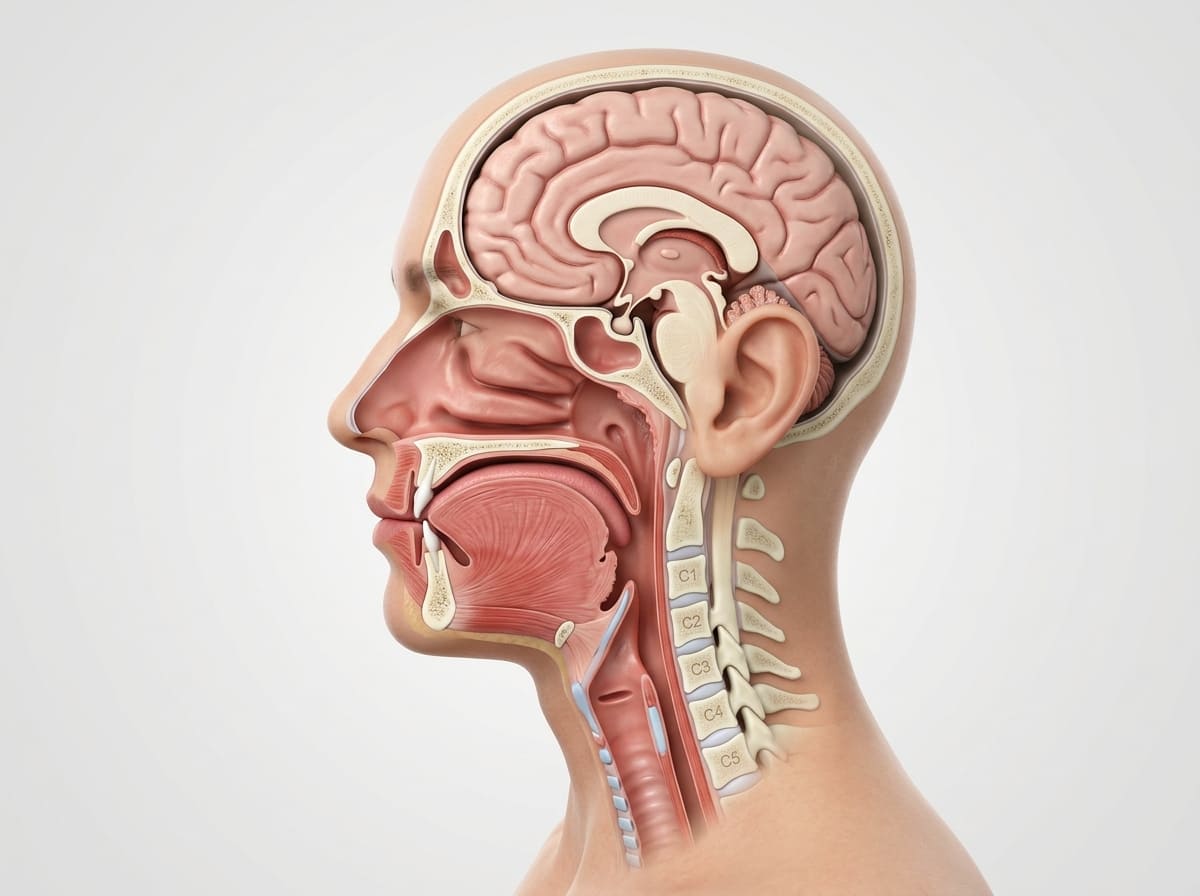
Mewing is named after a British orthodontist, Dr. Mike Mew, and grew out of an approach called orthotropics, which focuses on how tongue posture and breathing might influence facial growth. The online version usually involves:
- Pressing the whole tongue, including the back, flat against the roof of the mouth
- Keeping the lips closed and breathing through the nose
- Holding the position for hours a day
The claims online go much further: a sharper jawline, a more defined chin, straighter teeth or even a different face shape in adults.
What the research shows
The evidence is thin. There are no good-quality clinical trials showing that mewing changes the bones of the face or jaw in adults. The Cleveland Clinic also notes that mewing claims are mostly based on anecdotes and social media rather than research. Ideas about tongue posture influencing jaw growth come mainly from children, whose bones are still developing, not from adults.
Can mewing change your face as an adult?
Once you finish growing, the bones of the jaw and face do not reshape in response to tongue posture the way the videos suggest. What can change in photos is soft tissue and posture: lifting your chin, tightening your neck muscles or holding your tongue up can make a jawline look sharper in the moment. That is posture, not a new jaw.
Risks: jaw pain, clenching, TMJ flare-ups, bite changes

This is the part I care about most as a dentist. Many people “mew” by pressing hard, holding tension for hours or keeping their teeth clenched together. That can:
- Overwork the jaw muscles, leading to soreness and headaches
- Encourage clenching, which wears teeth and strains the jaw joints
- Aggravate TMJ problems, including pain and clicking
- Push teeth if the tongue presses against them for long periods
If your jaw is clicking or sore, my post on jaw popping and clicking explains what is going on, and our TMD treatment page covers how we help.
What actually changes a jawline
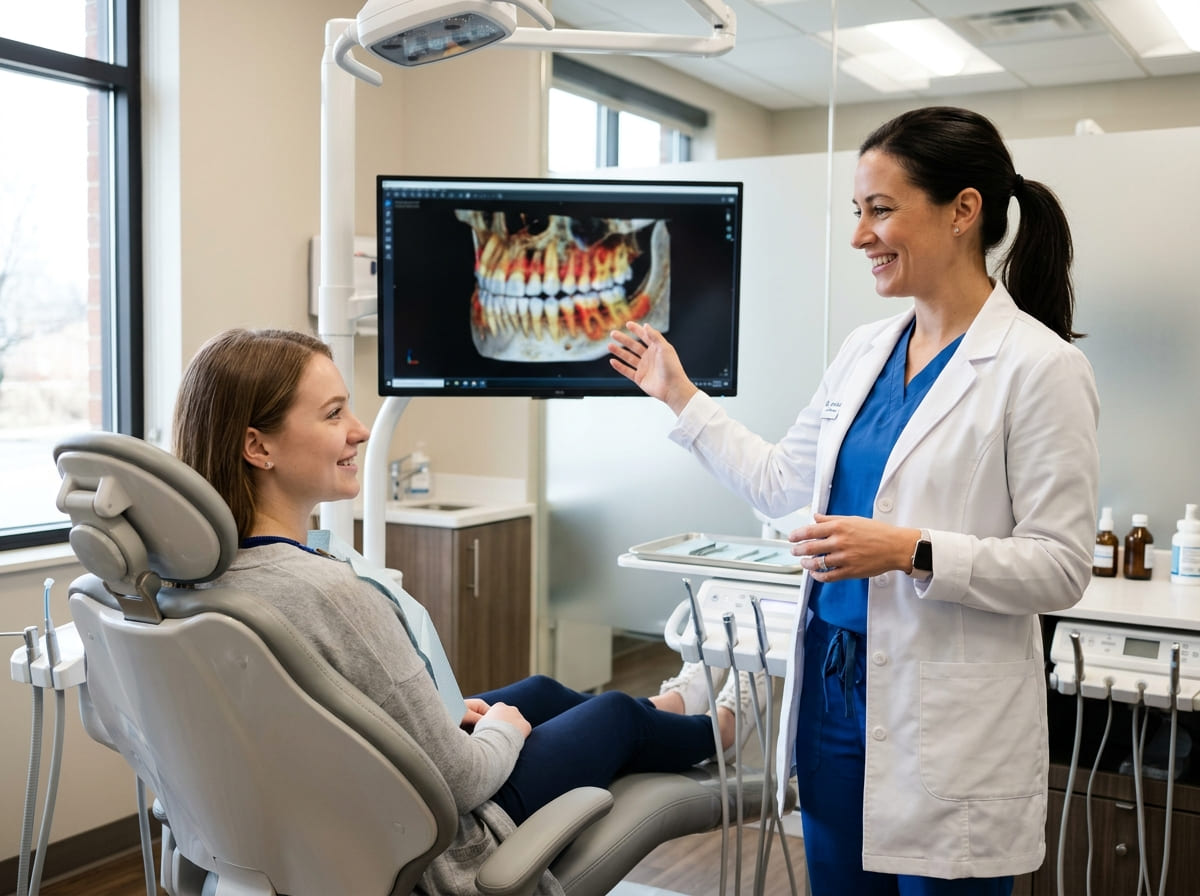
Kids, airway and tongue posture: where it does matter
Tongue posture and breathing genuinely matter in children, whose jaws are still growing. Chronic mouth breathing, a low tongue posture or a tongue tie can be linked to a narrow upper jaw and bite problems. In kids, the right approach is a proper evaluation by a dentist, orthodontist or ENT, not a social media routine. For adults, a resting tongue against the roof of the mouth and nasal breathing are healthy habits, as long as they are relaxed, not forced. My post on scalloped tongue explains how tongue posture and clenching can show up in the mouth.
When to see a dentist
Book a visit if mewing has left you with jaw pain, headaches, clicking or tired jaw muscles, if you are unhappy with your bite or jawline and want to know real options, or if your child mouth-breathes or snores.
Frequently asked questions
How long does mewing take to work?
There is no reliable evidence that mewing changes the jaw or face shape in adults, no matter how long you do it. Changes seen in photos are usually due to posture, angle or lighting.
Is mewing bad for your teeth?
It can be if you press hard or clench while doing it. That can strain the jaw muscles and joints, wear the teeth and, over time, push teeth out of position.
Can mewing fix an overbite?
No. An overbite in an adult is corrected with orthodontic treatment, such as Invisalign or braces, and sometimes surgery. Tongue posture alone does not move adult teeth or jaws into a better bite.
Does mewing cause TMJ?
Mewing itself is not a known cause of TMD, but forcing tongue and jaw posture or clenching for hours can aggravate jaw pain and TMJ symptoms in some people.
Are mewing before and after photos real?
Many are influenced by posture, chin position, camera angle, lighting and weight changes. They are not reliable evidence that the bones have changed.
What is the correct tongue posture?
At rest, the tongue usually sits gently against the roof of the mouth, with lips closed, teeth slightly apart, and breathing through the nose. It should feel relaxed, not forced.
Want an honest look at your jaw and bite?
If you are in or around Washington, PA, you can request an appointment at Enhanced Wellness or call us at (724) 225-5070. We will tell you what can realistically change your jawline and bite.
Sources
- American Association of Orthodontists. Is mewing bad for you?
- Cleveland Clinic. What is mewing?
Want an honest look at your jaw?
Dr. Liza explains what can realistically change your jawline and bite, and checks for clenching or jaw strain that forced posture can make worse.

Dr. Elizabeth Wakim, DDS, is the founder of Enhanced Wellness. She’s a compassionate and highly-regarded dentist with her own practice in Washington, Pennsylvania, known for providing modern, comprehensive dental care, botox and facial aesthetics with a focus on patient comfort and anxiety reduction, serving general, cosmetic, and pediatric dentistry needs.