Masseter Botox: Jaw Slimming, Clenching Relief, and What the FDA Review Means for You
Masseter Botox: Jaw Slimming, Clenching and FDA Update | Dr. Wakim.
Thinking about Botox for a wide jaw or nighttime clenching? Dr. Liza Wakim explains how masseter Botox works, how long it lasts, what can go wrong, and what the FDA’s review of BOTOX Cosmetic for the jaw means for you.
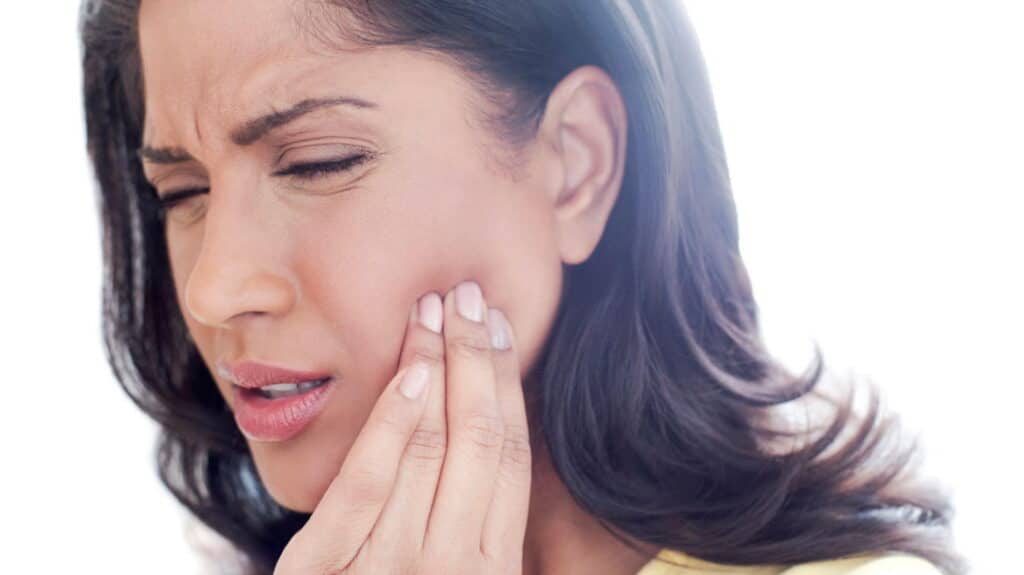
Patients usually come to me about their masseters for one of two reasons. Some want a softer, slimmer jawline. Others wake up with sore jaws, headaches or worn-down teeth from clenching and grinding. Many have both, and do not realize it until we look at their teeth together.
As a dentist who treats both the cosmetic and the bruxism side, I see masseter Botox a little differently than a typical med spa does. It can be a wonderful tool, but it is not a fix for every wide jaw or every grinder. In this post I will walk you through how it works, what realistic results look like, the risks people rarely mention, and what the FDA’s current review means.
The short version
- Masseter Botox relaxes the large chewing muscle at the angle of the jaw. Over weeks, the muscle can slim down and clenching force can ease.
- In August 2026 the FDA accepted an application to approve BOTOX Cosmetic for prominent masseters. As of this writing, it is still under review, so jaw use remains off-label.
- Slimming builds gradually over weeks to a few months. Effects are temporary and need repeating.
- It can lower bite force, but it does not replace a night guard for protecting your teeth.
What is masseter Botox?
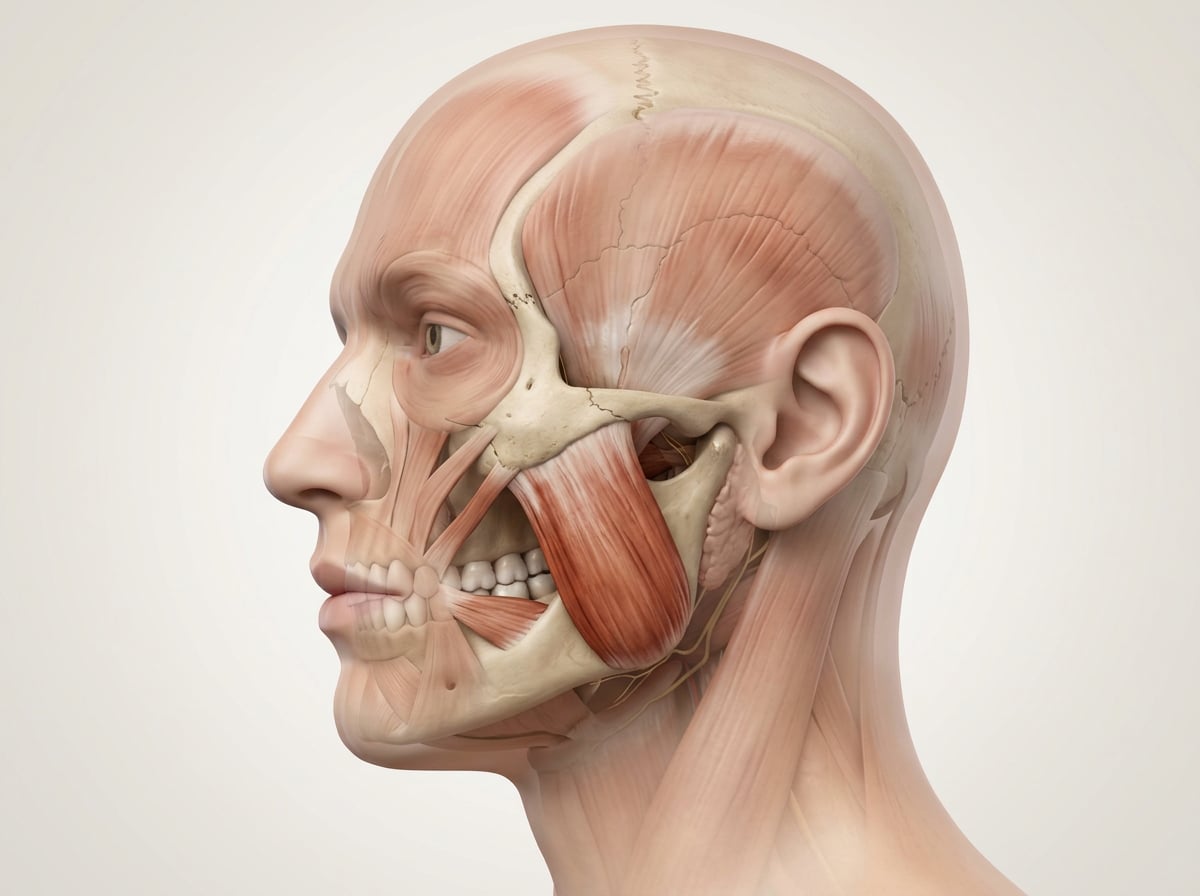
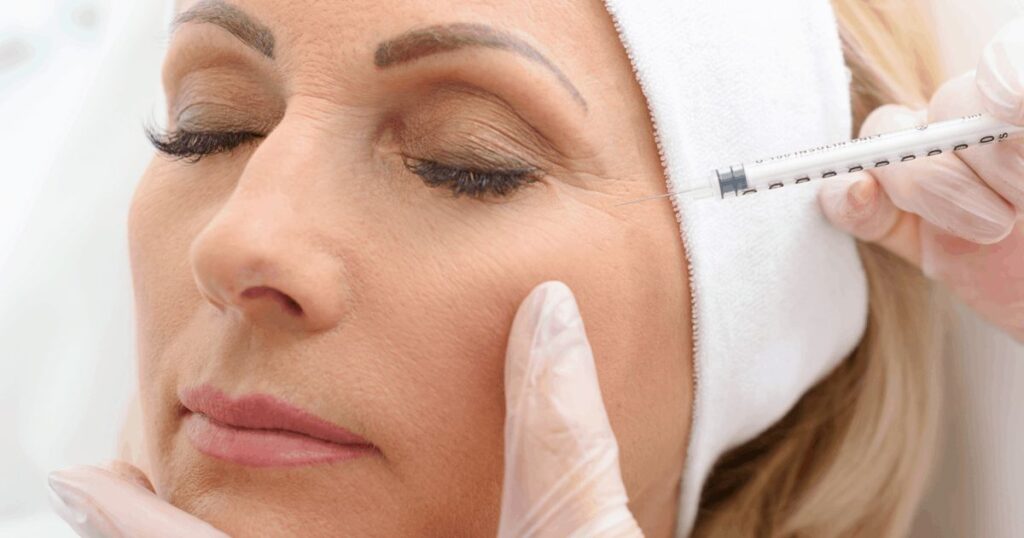
Masseter Botox is an injection of botulinum toxin into the masseter, the thick chewing muscle at the back corner of your jaw. The Botox calms the nerve signal to the muscle, so it contracts less forcefully. Over time, a muscle that works less tends to shrink, which can soften a square jawline and ease clenching.
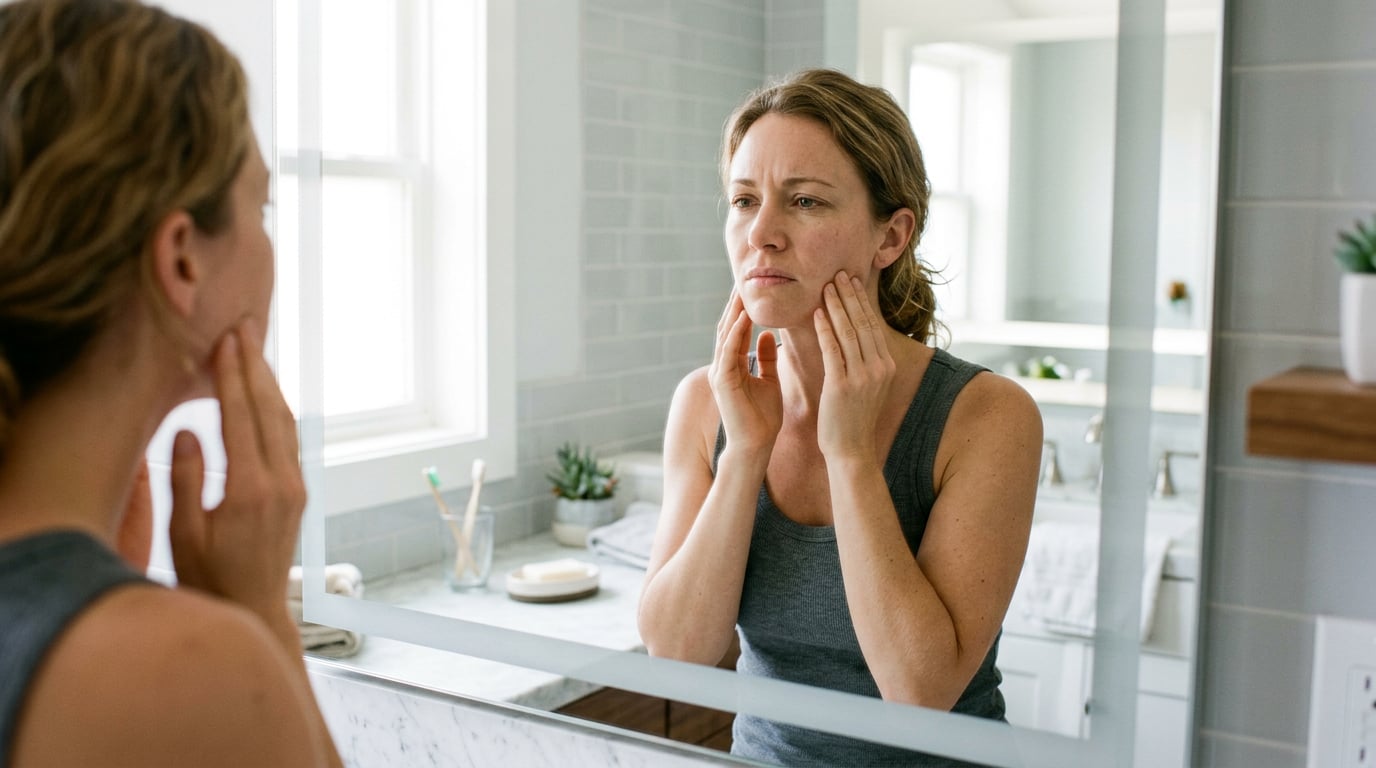
You can feel your own masseter by placing your fingers just in front of your earlobes and clenching your teeth. That firm bulge is the muscle. When it is large, often from years of clenching, chewing or simply genetics, the lower face can look wider and more square.
Injections into the masseter are now considered the standard non-surgical treatment for an enlarged masseter, although researchers note there is still no single agreed dose.
Two reasons people get it: jaw slimming and clenching or grinding
1. Jaw slimming (cosmetic). When the masseter is large, it adds width to the lower face. Relaxing it lets the muscle gradually reduce in size, which can create a softer, more tapered or oval jawline. This is the use the FDA is currently reviewing.
2. Clenching and grinding (therapeutic). Many people clench or grind during sleep, a habit called bruxism. Over time it can cause jaw soreness, morning headaches, worn or cracked teeth and broken fillings. Botox can reduce how hard the muscle contracts. A systematic review on bruxism concluded that Botox seems to be a possible option for sleep bruxism, easing symptoms and reducing the intensity of muscle contractions, but the authors stressed that more research is needed. A more recent overview of the evidence reached a similar conclusion: there are signs of benefit for pain, bite force and bruxism events, but study limitations prevent firm conclusions.
What I see in the chair. Often the clues of clenching are in the mouth before the patient notices anything in the mirror: flattened or chipped tooth edges, cracked fillings, tender jaw muscles, and sometimes a scalloped tongue. If that sounds familiar, my post on scalloped tongue and what the ridges mean explains the connection.
When a wide jaw is not the muscle. Not every wide lower face is caused by the masseter. The jawbone itself, the parotid salivary glands, or fat can also add width. Lower face width depends on the bony jaw as well as the muscle, and Botox only affects the muscle. That is one reason a proper exam comes first.
Is masseter Botox FDA approved?
Not yet, but it may be soon. Here is where things stand as of October 2026:
Why this matters for you. The application is backed by two Phase 3 studies that both met their main goals and showed significant improvement compared with placebo. That is a big step forward. When the Cochrane Collaboration reviewed the evidence back in 2013, it could not find a single randomized controlled trial on Botox for enlarged masseters. An approval would bring official dosing guidance and a clearer safety picture to a treatment many people already get.
We will update this post when the FDA makes its decision.
How many units, and how long it takes to work
Units. The masseter is a strong muscle, so it takes more Botox than areas like the forehead. There is no single agreed standard dose, and published studies use quite different amounts. Dosing depends on the size and strength of your muscle, whether one side is larger, and your goal. Our Botox page lists a typical range of 25 to 50 units per side for jaw tension and clenching. We tailor the dose at your visit and always start with what is appropriate for your muscle, not a one-size-fits-all number.
Slimming vs. clenching. The goals overlap, but they are not identical. For clenching, the aim is to reduce how forcefully the muscle contracts, so you clench less hard. For slimming, the aim is for the muscle to gradually shrink. The dose and the injection pattern may be adjusted depending on which matters more to you.
How long it takes. Botox does not work overnight:
This gradual timeline is why I ask patients not to judge the cosmetic result at two weeks. Reports of masseter treatment have described marked changes in facial shape about three months after injection.
How long masseter Botox lasts
Masseter Botox is temporary. The muscle slowly regains its strength as the effect wears off, and if you return to your usual clenching and chewing habits, it can gradually rebuild. In the Phase 3 research supporting the FDA application, a single treatment improved masseter prominence and reduced lower-face width for up to six months.
Everyone is different. How long it lasts depends on your dose, your muscle strength, how much you clench and how many treatments you have had. My post on how long Botox lasts explains the factors in more detail. We plan follow-up timing together based on how your jaw responds.
Before and after: what realistic change looks like
Masseter Botox before-and-after photos online can be dramatic. Here is what is realistic:
- The change is gradual. You will not leave the office looking different. Slimming builds over weeks, so many people notice it first in photos or when friends comment.
- It is a softening, not a new face. The jaw angle looks less bulky and the lower face more tapered. Your bone structure does not change.
- Results depend on the cause of the width. If most of the width comes from muscle, the change can be noticeable. If it comes from bone, salivary glands or fat, Botox will do less.
- Asymmetry can show up. Many people chew more on one side, so one masseter can be larger. Treatment may make that difference more or less noticeable, which is why we look at both sides carefully and may dose them differently.
If you want to judge your own result, take photos in the same light, at the same angle, before treatment and again at about three months.
Side effects and “masseter Botox gone wrong”
Masseter Botox is generally considered safe when it is dosed and placed correctly, but it is not risk-free. In one study of 80 patients, about 19% had at least one treatment-related side effect, most of them mild. The issues people search for under “masseter Botox gone wrong” usually fall into these groups:
Less common
- An uneven or limited smile. Just in front of the masseter sits the risorius, a small muscle that pulls the corners of the mouth when you grin. If Botox reaches it, the smile can look shorter or lopsided. Placing the injection too far forward or too shallow is a known cause.
- Paradoxical bulging. In a small number of people, part of the muscle bulges when they chew, because the outer layer is not relaxed and works harder to compensate. A large series of more than 2,000 treatments reported this in roughly 0.5% of cases, and it can usually be corrected.
- Jowls or sagging. If the muscle shrinks quickly, the skin and soft tissue over it may lose some support. This is linked to the muscle shrinking too quickly, which is one reason dosing should be conservative and tailored.
- Asymmetry between the two sides.
The good news is that these effects are temporary and fade as the Botox wears off. The less good news is that Botox cannot be dissolved, so you wait it out. That is why careful anatomy and conservative dosing matter so much.
Researchers are also still studying the long-term effects of repeated treatment, including effects on the jawbone. It is one more reason to treat only when there is a clear reason and to space treatments sensibly.
Seek care right away if you have trouble swallowing, speaking or breathing, or new muscle weakness after any Botox treatment. The BOTOX Cosmetic prescribing information carries a boxed warning about the effect spreading beyond the injection area.
Masseter Botox vs. a night guard: why many grinders need both
This is the question I answer most often from patients who clench, and the answer is usually “they do different jobs.”
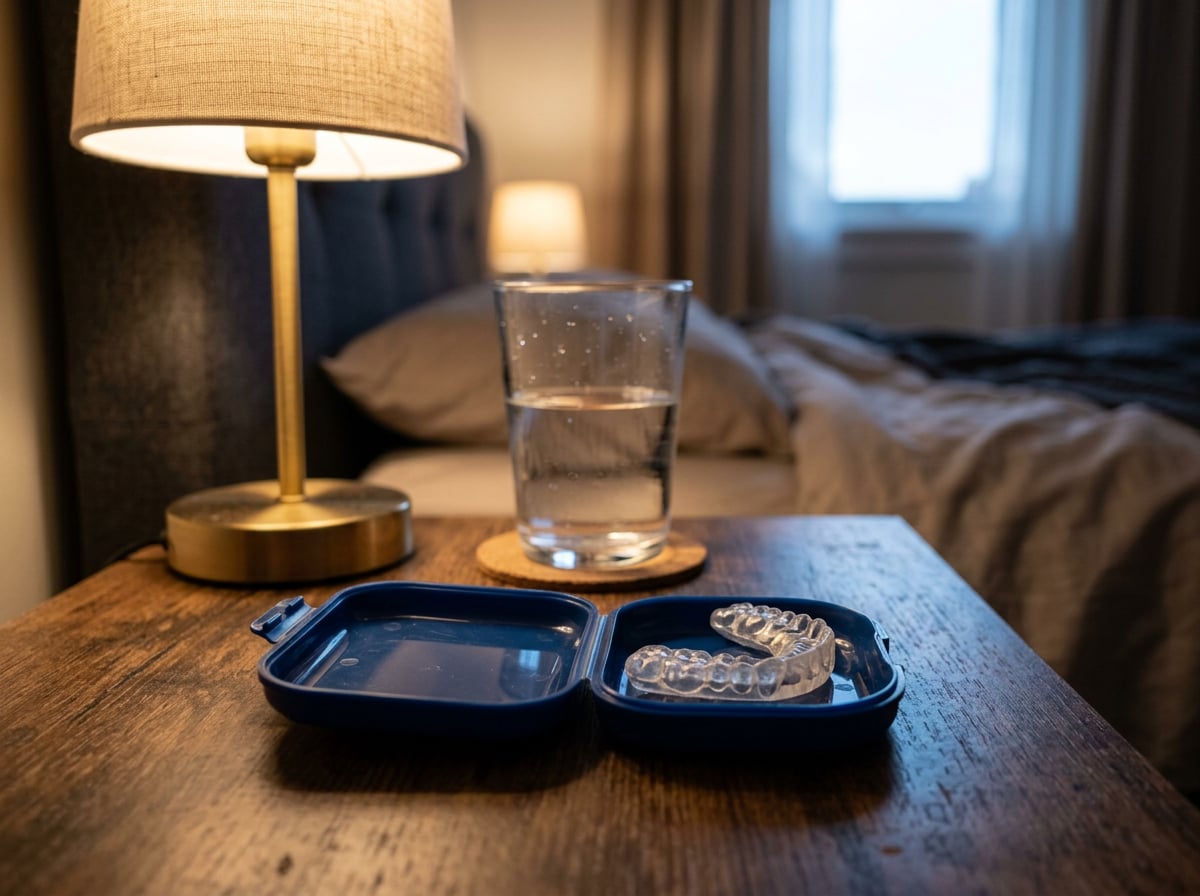
Botox can turn down the volume on clenching, but it does not stop teeth from touching and wearing. A night guard protects the teeth, but it does not relax the muscle. For many people with significant bruxism, using both makes sense. Research reviews also note that, apart from oral appliances, there is still not enough evidence to name a single standard treatment for sleep bruxism.
One more important point: grinding at night can sometimes be linked to sleep-disordered breathing. Neither Botox nor a night guard diagnoses that. If you snore, wake up exhausted or someone has noticed you stop breathing, talk to your doctor about a sleep evaluation.
Read more: night guards for teeth grinding and Botox for TMJ and teeth grinding.
How much does masseter Botox cost?
Because the masseter is a large muscle, it takes more units than a typical forehead or crow’s feet treatment, so it usually costs more per visit. What affects the price:
- Number of units, which depends on muscle size, strength and your goal
- Whether both sides need the same dose
- How often you repeat it, since the effect is temporary
- Who is injecting: training and knowledge of jaw anatomy matter more than the lowest price
You can see our current pricing on the Botox page, and you will get a clear quote at your consultation before anything is done. Cosmetic jaw slimming is generally not covered by insurance. If Botox is being considered for clenching or jaw pain, ask us about your options, because coverage varies by plan.
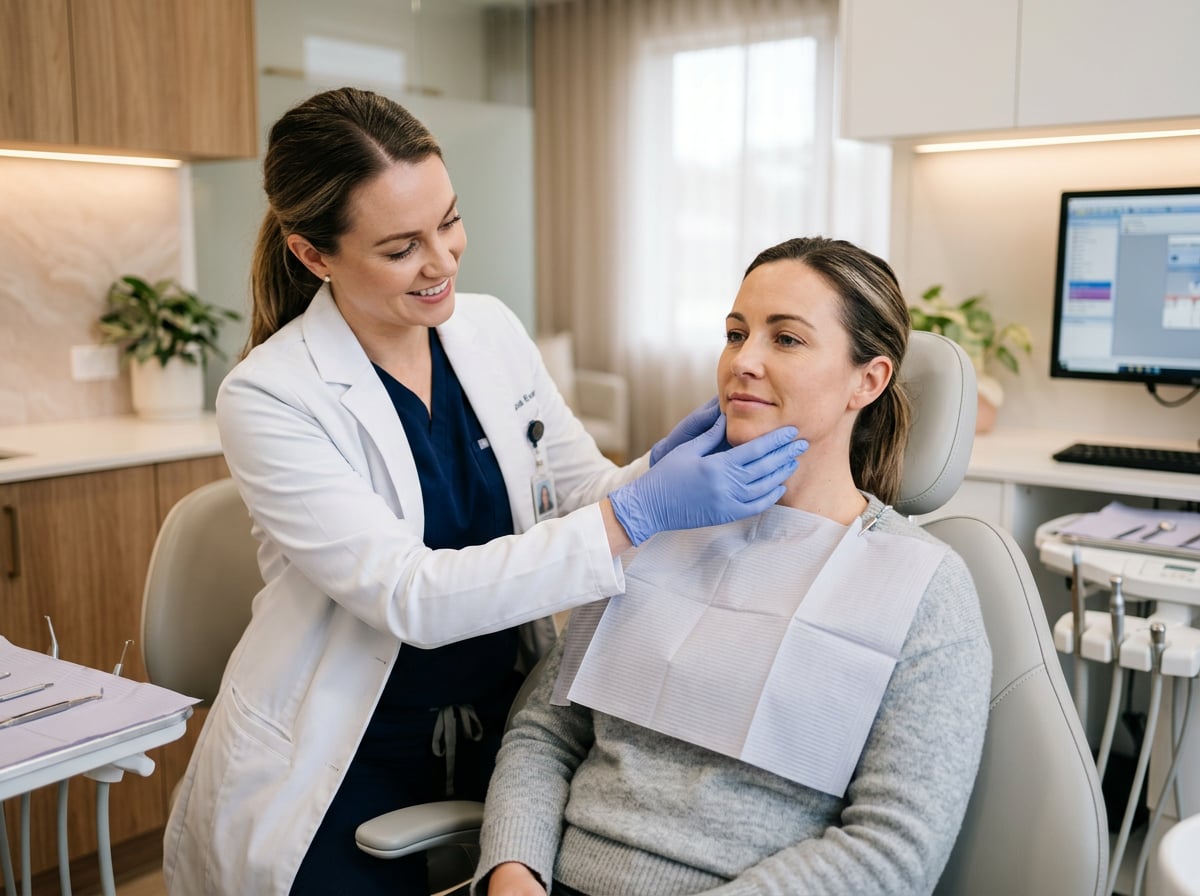
When to see a dentist
Book a visit if:
- You wake up with a sore jaw, tight cheeks or morning headaches
- Your teeth look flatter, chipped or more sensitive, or fillings keep cracking
- Your jaw clicks, pops or feels tired after chewing
- You want a slimmer jawline and would like an honest opinion on whether Botox will help
Call your provider after treatment if:
- Your smile looks uneven or limited after the first couple of weeks
- Chewing feels much weaker than expected, or part of the muscle bulges when you chew
Seek care right away if you have trouble swallowing, speaking or breathing, or new muscle weakness after any Botox treatment.
Why a dentist is a good place to start. A dentist can see the effects of clenching on your teeth, check your bite and jaw joints, and spot when a wide jaw is bone or gland rather than muscle. That full picture helps decide whether Botox, a night guard, TMD treatment or a combination is the right fit.
Frequently asked questions
Does masseter Botox cause jowls?
It can, though it is not common. If the masseter shrinks quickly, the skin and tissue over it can lose some support and look like mild sagging or jowling. Conservative, tailored dosing helps reduce the risk, and because Botox is temporary, the effect fades as the muscle regains strength.
How long does masseter Botox last?
The effect is temporary. In the Phase 3 research behind the FDA application, a single treatment reduced lower-face width for up to six months. How long it lasts for you depends on your dose, muscle strength and how much you clench, so follow-up timing is planned based on how your jaw responds.
How much does masseter Botox cost?
It usually costs more per visit than forehead or crow’s feet Botox, because the masseter is a large muscle that needs more units. The total depends on how many units you need and how often you repeat treatment. Cosmetic jaw slimming is generally not covered by insurance; your provider can give you an exact quote.
Does masseter Botox help TMJ pain?
It may help some people, especially when jaw pain comes from tight, overworked muscles and clenching. Research shows promising signs but not firm conclusions, and Botox for jaw pain is off-label. It works best as part of a plan that may also include a night guard and other TMD care, guided by a proper exam.
Will masseter Botox change my smile?
It should not when it is placed correctly. If Botox spreads to the small smile muscle just in front of the masseter, the smile can look limited or uneven for a while. This is uncommon, temporary and closely tied to injection technique, which is why careful placement matters.
Can I chew normally after masseter Botox?
Yes, you can eat normally. Some people notice that tough or chewy foods tire their jaw more quickly for the first few weeks, because the muscle is not working as hard. This usually becomes less noticeable over time. Severe chewing weakness is unusual and worth reporting to your provider.
Talk to a dentist who treats both sides of the jaw
Whether your goal is a softer jawline, relief from clenching or both, the best results start with understanding what is actually making your jaw wide or sore.
If you are in or around Washington, PA, I would be happy to take a look. You can request a consultation at Enhanced Wellness or call us at (724) 225-5070. Results vary from person to person, and we will only recommend masseter Botox if it fits your goals and your anatomy.
Sources
- Allergan Aesthetics (AbbVie). Allergan Aesthetics announces U.S. FDA acceptance of supplemental Biologics License Application for BOTOX Cosmetic for masseter muscle prominence. August 4, 2026.
- BioPharm International. FDA accepts sBLA for Botox Cosmetic in masseter muscle prominence. 2026.
- Botulinum toxin for masseter hypertrophy. Cochrane Database of Systematic Reviews. 2013;(9):CD007510.
- The Role of Botulinum Toxin for Masseter Muscle Hypertrophy: A Comprehensive Review. Toxins. 2025.
- De la Torre Canales G, et al. Is there enough evidence to use botulinum toxin injections for bruxism management? A systematic literature review. Clin Oral Investig. 2017;21(3):727-734.
- Botulinum Toxin for Bruxism: An Overview. PubMed Central.
- Ultrasound-Guided Botulinum Toxin-A Injections into the Masseter Muscle for Both Medical and Aesthetic Purposes. PubMed Central.
- Functional and esthetic effects of botulinum toxin injection into the masseter muscles: evaluation of 80 patients. Int J Dermatol.
- BOTOX Cosmetic (onabotulinumtoxinA) prescribing information. DailyMed, U.S. National Library of Medicine.
Wide jaw, sore jaw, or both?
Dr. Liza treats both the cosmetic and the clenching side of the masseter. She checks your teeth, bite and jaw muscles first, so you know whether Botox, a night guard or a combination is the right fit before anything is done.

Dr. Elizabeth Wakim, DDS, is the founder of Enhanced Wellness. She’s a compassionate and highly-regarded dentist with her own practice in Washington, Pennsylvania, known for providing modern, comprehensive dental care, botox and facial aesthetics with a focus on patient comfort and anxiety reduction, serving general, cosmetic, and pediatric dentistry needs.