Scalloped Tongue: What the Ridges Mean, From Clenching to Sleep Apnea
Noticed wavy edges or teeth marks along the sides of your tongue? Dr. Liza Wakim explains what a scalloped tongue can mean, from clenching and tongue habits to sleep apnea, and when it is worth getting checked.
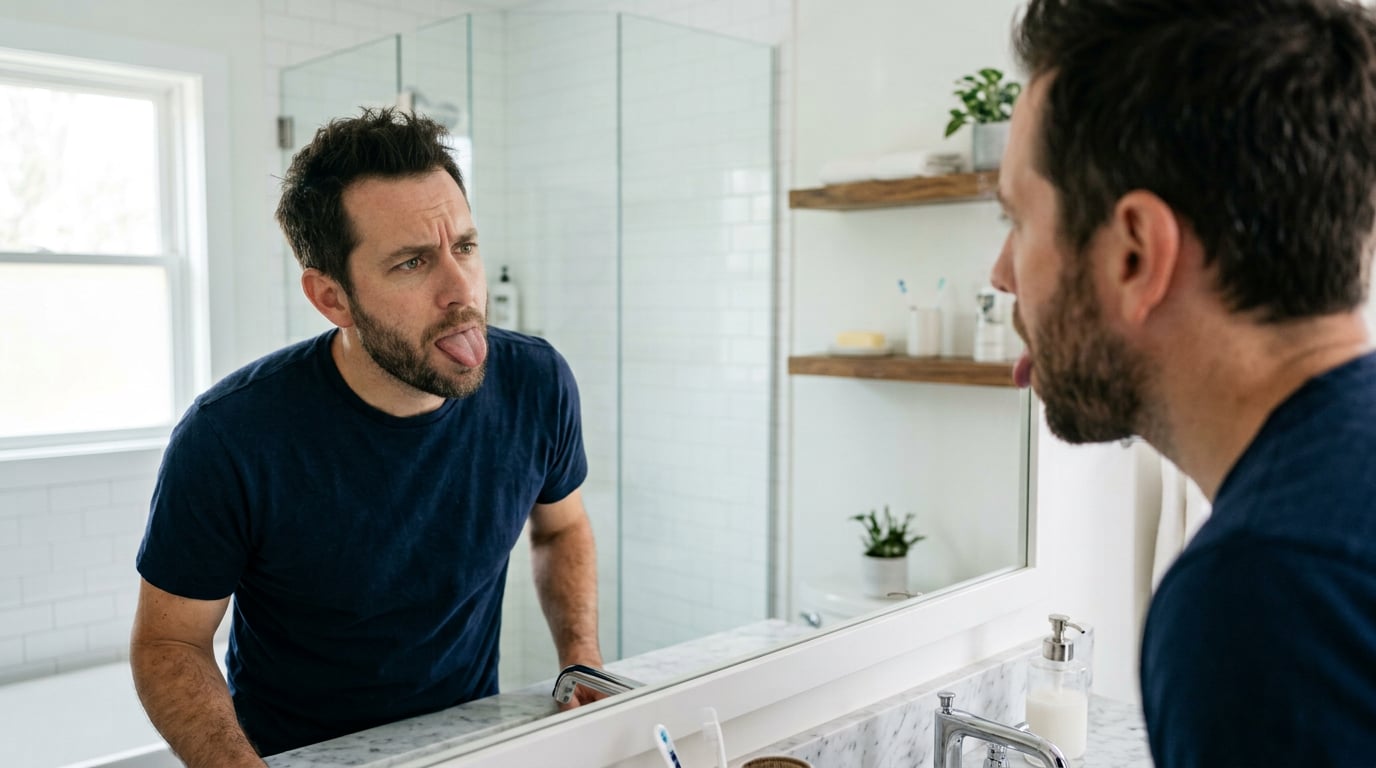
Sometimes it is a TikTok video that sends people to the mirror. Sometimes it is me, mentioning during an exam that the edges of their tongue look a little wavy. Either way, the next question is usually the same: is that bad?
What I tell my patients is that a scalloped tongue is a clue, not a diagnosis. On its own it is often harmless, but alongside a few other signs it can point to clenching, a tongue that is crowded for space, or a sleep breathing problem worth checking. In this post I will walk you through what those ridges can mean and what I look for when I see them.
The short version
- A scalloped tongue has wavy indentations along its sides where it presses against the teeth.
- It is a sign, not a disease. Common links include clenching, a tongue that is large for the space, and sleep apnea.
- Research shows scalloping is associated with sleep apnea, but only a sleep study ordered by a physician can diagnose it.
- Treatment depends on the cause, so the first step is finding out why it is happening.
What is a scalloped tongue?
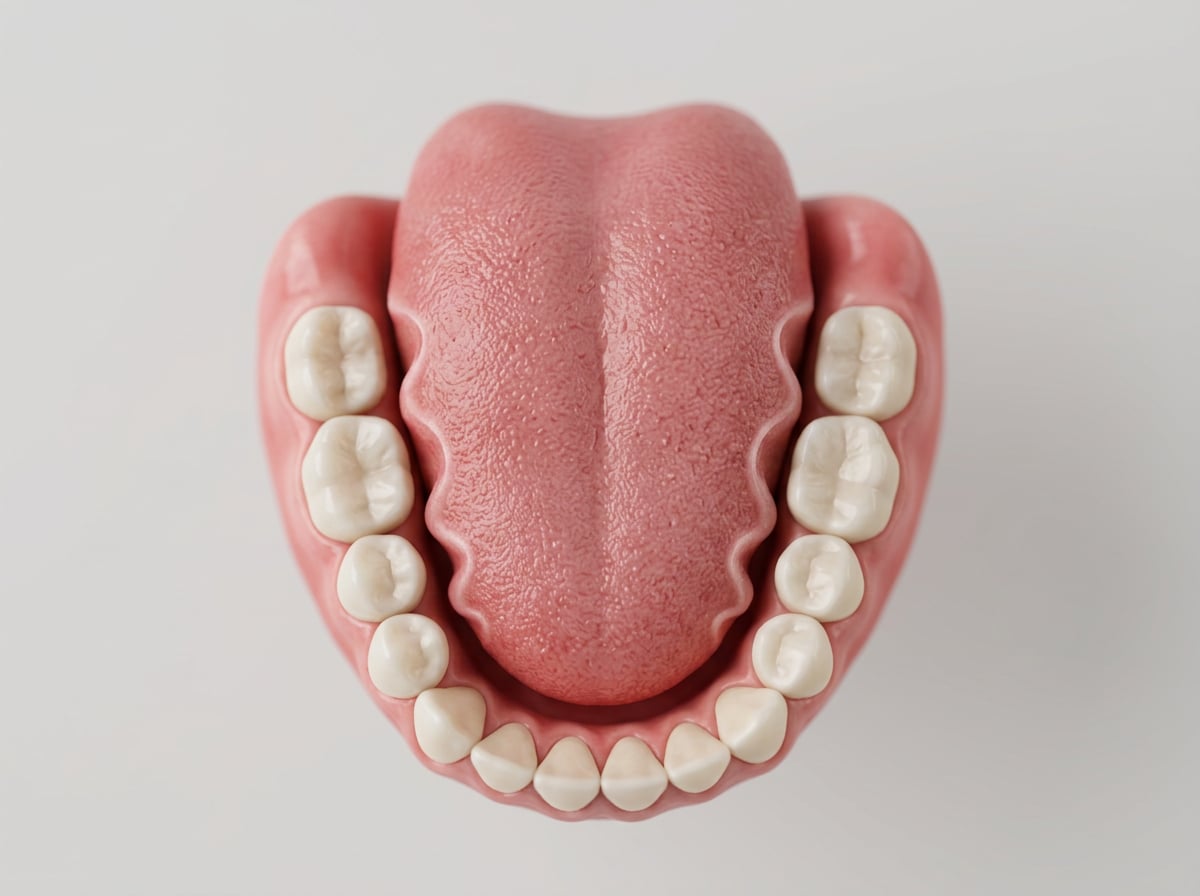
A scalloped tongue has rippled, wavy or notched edges along its sides, shaped like the rim of a pie crust or a scallop shell. The indentations form where the sides of the tongue rest and press against the inner surfaces of the teeth. You may also hear it called a crenated tongue, a wavy tongue or simply teeth marks on the tongue.
Researchers have found that these indentations are closely related to the width and volume of the tongue. In plain terms, scalloping tends to show up when the tongue is large relative to the space inside the teeth, or when it is pressed against them often.
Is a scalloped tongue normal?
Mild scalloping is not unusual and, on its own, is often not a sign of anything serious. Many people have faint ridges they have never noticed. The scalloping itself usually does not hurt.
It becomes more meaningful when it shows up with other signs. When I notice it, I ask a few questions:
- Do you snore, or has anyone noticed you stop breathing in your sleep?
- Do you wake up tired, with headaches, or with a sore jaw?
- Are your teeth showing wear, chips or cracks?
- Has the scalloping appeared recently, or is your tongue sore, swollen or changing?
If the answer to all of those is no, scalloping is often just a quirk of your anatomy. If any are yes, it is worth a closer look.
What causes a scalloped tongue
Scalloping happens when the tongue spends a lot of time pressed against the teeth. The question is why. These are the main possibilities.
Clenching, grinding and tongue thrust
When you clench your teeth, especially during sleep, the tongue is often pushed firmly against the inner sides of the teeth. Some people also have a habit of pressing or thrusting the tongue forward and sideways. Over time, that steady pressure can leave an imprint. Clenching usually leaves other clues too, such as flattened or worn teeth, sore jaw muscles or small cracks. If that sounds familiar, my post on night guards for teeth grinding explains how to protect your teeth.
Stress and anxiety do not mark the tongue directly, but they can make clenching worse, which is why scalloping sometimes seems to come and go with stressful periods.
Sleep apnea and airway problems
In obstructive sleep apnea, the airway repeatedly narrows or closes during sleep. The tongue plays a big role in the size and shape of the upper airway, and a tongue that is large for the mouth can crowd it. Studies have found an association between scalloping and sleep apnea, which I cover in detail in the next section.
Thyroid problems and other medical causes
Some medical conditions make the tongue itself larger, a condition called macroglossia. According to StatPearls, hypothyroidism is a common cause of an enlarged tongue in children, and in adults the most frequent cause is amyloidosis, a condition in which abnormal proteins build up in tissues. Other genetic and congenital conditions can also be involved. These causes are much less common than clenching, but they are one reason a new, swollen or changing tongue should be checked by a doctor.
You may read online that dehydration or vitamin deficiencies cause scalloping. These are sometimes mentioned, but the evidence is limited, so I would not assume either one without talking to your physician.
A tongue that is too big for the space
Sometimes the tongue is a normal size but the space is small: a narrow upper or lower arch, crowded teeth or a smaller jaw. Dentists sometimes call this relative macroglossia. The tongue simply has nowhere to rest except against the teeth.
Scalloped tongue and sleep apnea: what the research shows
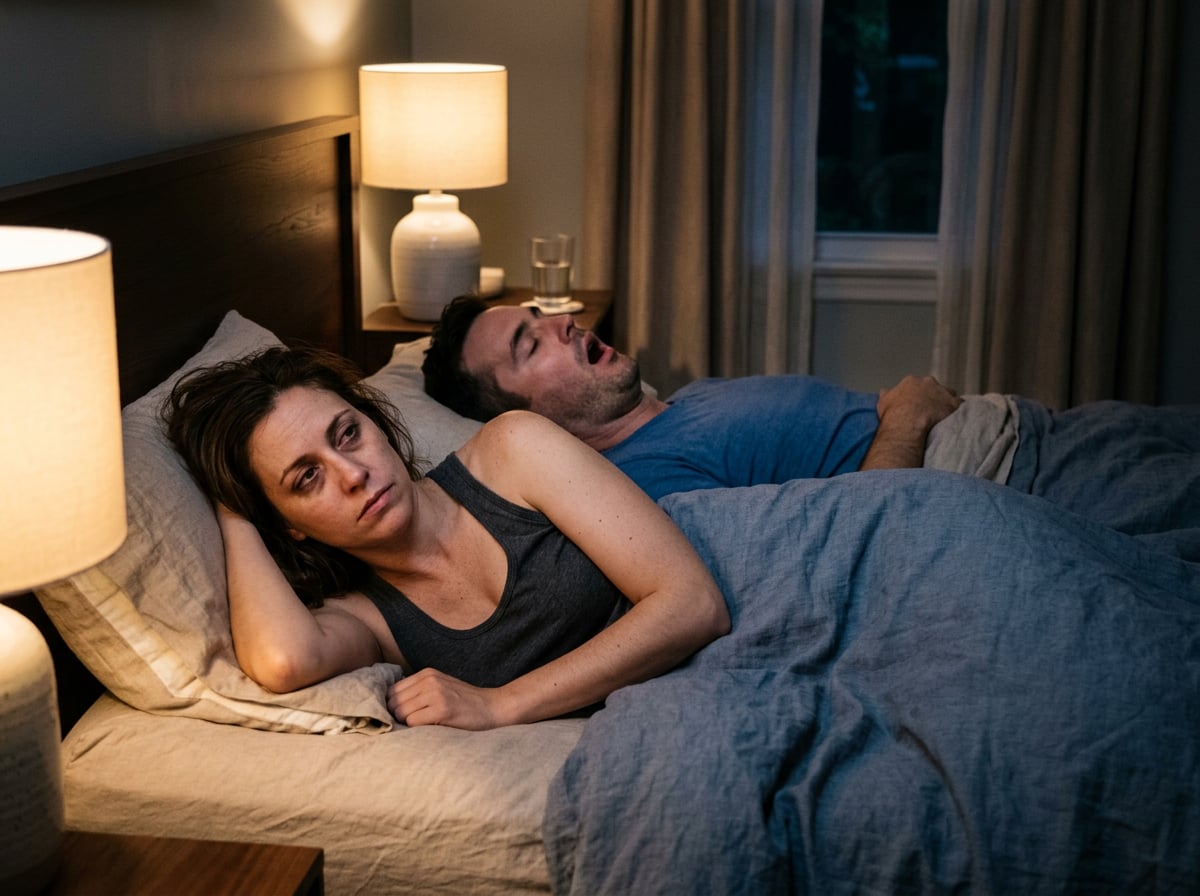
This is the part most people are worried about, so let me be clear about what the studies do and do not say.
A 2005 study of 61 ear, nose and throat clinic patients found that tongue scalloping was linked to abnormal sleep study results, and the authors suggested that seeing scalloping should prompt a doctor to ask about snoring (Weiss et al., Otolaryngology-Head and Neck Surgery).
A 2025 study of 160 adults who had overnight sleep studies at a sleep lab found that scalloping was linked to more frequent drops in blood oxygen during sleep. People who had both a scalloped tongue and a neck size of 40 cm (about 15.7 inches) or more had about four times the odds of severe sleep apnea. The authors suggested that checking the tongue and neck could help physicians spot severe cases sooner.
There is an important catch. In that 2025 study, 90% of the patients already had sleep apnea, because they had been referred to a sleep lab. That means the findings tell us scalloping is a useful warning sign, not that most people with a scalloped tongue have sleep apnea.
What this means for you: A scalloped tongue on its own does not mean you have sleep apnea. A scalloped tongue plus loud snoring, gasping at night, daytime sleepiness or a larger neck is a good reason to talk to your doctor about a sleep evaluation. Sleep apnea can only be diagnosed with a sleep study ordered by a physician.
What a dentist looks for when they see tongue scalloping
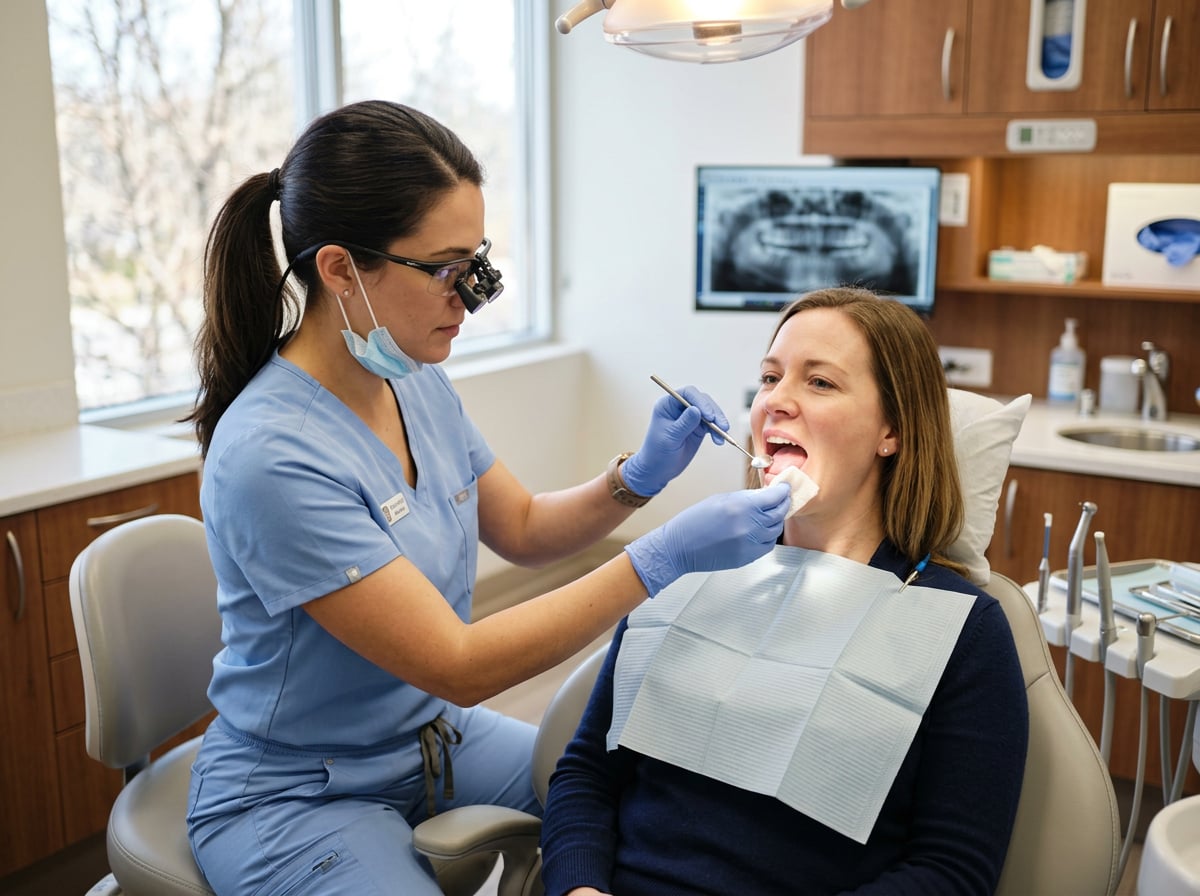
When I notice scalloping during an exam, I do not look at the tongue in isolation. I look at the whole picture, because the other findings tell me which direction to go.
| What I check | What it can point to |
|---|---|
| Wear, flattening or cracks on the teeth | Clenching or grinding |
| Tender or enlarged jaw muscles, jaw clicking | Clenching, TMD |
| Tongue size compared with the space inside the arches | A tongue that is large for the space |
| Throat and airway view, tonsil size | Possible airway crowding |
| Snoring, gasping, daytime fatigue (from your history) | Possible sleep-disordered breathing |
| A tongue that is swollen, sore, changing or new | A possible medical cause to check with your doctor |
If the clues point toward sleep-disordered breathing, my role is to flag it and refer you to your physician or a sleep specialist for testing. A dentist cannot diagnose sleep apnea by looking at a tongue. If the clues point toward clenching, that is something we can usually address right in the dental office.
Treatment depends on the cause
There is no cream or exercise that removes scalloping directly. The ridges are an imprint, so the approach is to address whatever is pressing the tongue into the teeth.
| If the cause is | What may help |
|---|---|
| Clenching or grinding | A custom night guard to protect the teeth; care for jaw muscle tension, which can include TMD treatment or Botox for clenching |
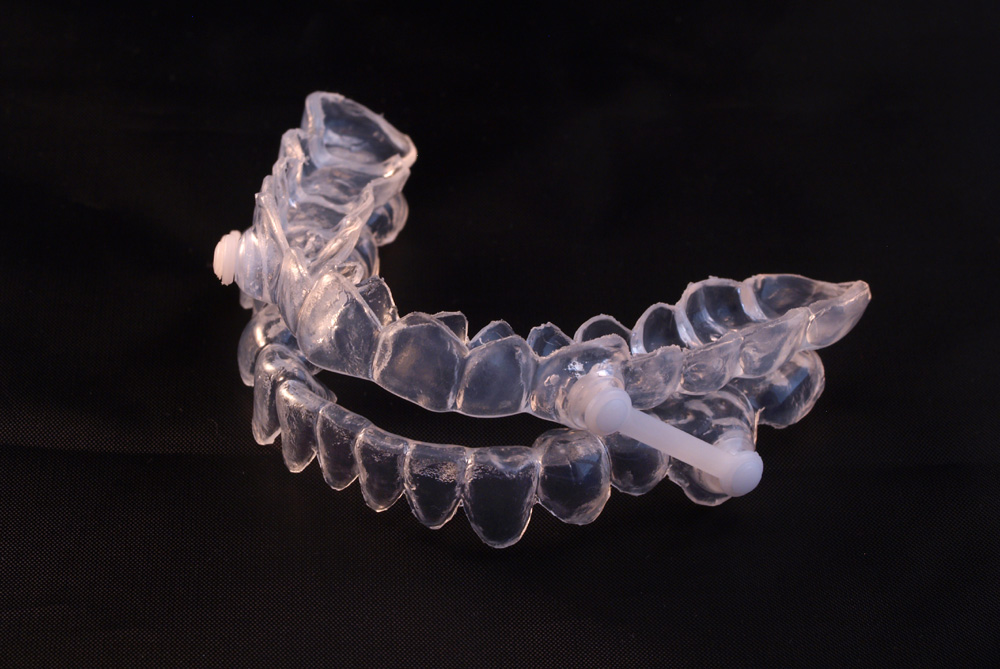
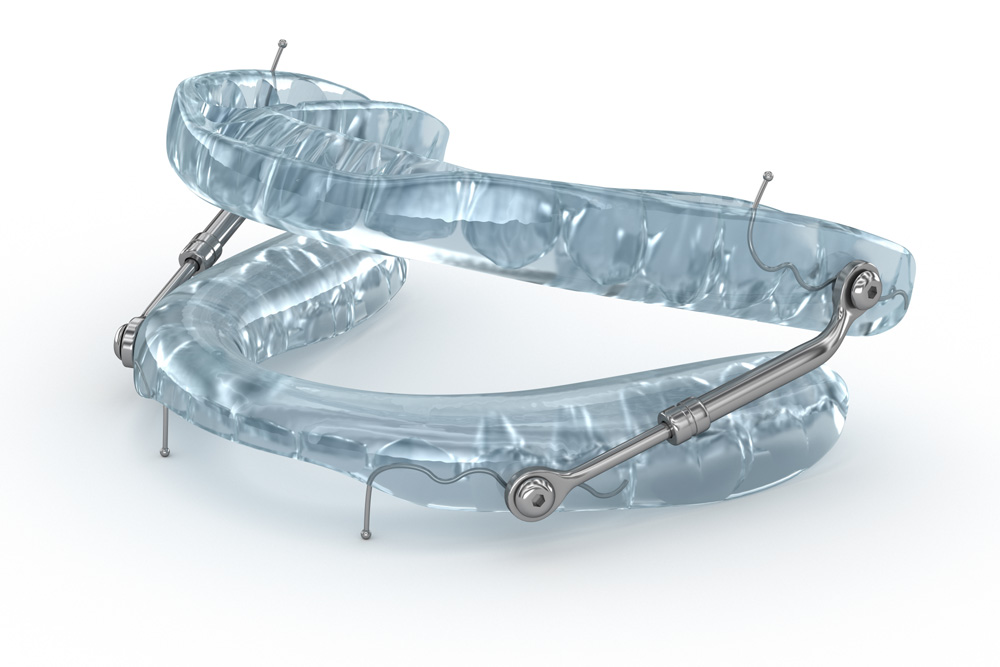
| Diagnosed obstructive sleep apnea | Treatment prescribed by your sleep physician, such as CPAP or, in suitable cases, a custom oral appliance made by a dentist |
| Snoring without sleep apnea | Options such as an oral appliance or NightLase, a laser treatment aimed at snoring, after sleep apnea has been ruled out |
| A medical cause such as thyroid disease | Evaluation and treatment by your physician |
| A tongue crowded by a narrow arch | A discussion of bite and arch options with your dentist or orthodontist |
A note on oral appliances: the joint American Academy of Sleep Medicine and American Academy of Dental Sleep Medicine guideline recommends that a sleep physician prescribe the appliance and that a qualified dentist make a custom, adjustable one, rather than an over-the-counter device. It also recommends oral appliances for adults with sleep apnea who cannot tolerate CPAP or prefer another option. That physician-dentist partnership is how I approach it too.
Will the scalloping go away? It may soften once the cause is managed, but this varies from person to person, and in some people the ridges are simply part of their anatomy. The more important goal is treating what is behind it.
When to see a dentist or doctor
Most scalloped tongues are not urgent. Here is how I would think about timing.
Mention it at your next dental visit if:
- You have mild scalloping and no other symptoms
- You have had the same ridges for a long time and nothing has changed
Book a dental or medical visit soon if:
- You snore loudly, gasp or choke at night, or someone has seen you stop breathing
- You wake up tired, with morning headaches, or feel sleepy during the day
- Your teeth are wearing down, chipping or cracking, or your jaw is sore
- The scalloping is new, or your tongue feels larger, sore or different than before
Get emergency care right away if your tongue suddenly swells, or you have trouble breathing or swallowing. Sudden swelling of the tongue is not typical scalloping and needs immediate attention.
If you are not sure whether your scalloping is worth checking, it is a perfectly reasonable thing to ask about at a comprehensive dental exam.
Frequently asked questions
Is a scalloped tongue a sign of sleep apnea?
It can be, but not on its own. Studies have linked tongue scalloping with sleep apnea, especially when it appears alongside a larger neck size, snoring or daytime sleepiness. Many people with scalloping do not have sleep apnea, though, and only a sleep study ordered by a physician can diagnose it.
Can stress or anxiety cause a scalloped tongue?
Stress does not mark the tongue directly, but it can increase clenching and tongue pressing, especially during sleep. That repeated pressure against the teeth can leave the wavy indentations. If stress seems to make your scalloping worse, it is worth checking your teeth and jaw for other signs of clenching.
Does a scalloped tongue go away?
It may soften once the cause, such as clenching or a medical condition, is managed, but this varies. In some people the ridges are simply part of their anatomy and stay. The scalloping itself is usually harmless, so the focus is on treating whatever is behind it.
Is a scalloped tongue linked to thyroid problems?
It can be. Hypothyroidism is one of the conditions that can enlarge the tongue, which can then press against the teeth and show scalloping. It is far from the only cause, so if you have other thyroid symptoms, such as fatigue, weight changes or feeling cold, talk to your physician.
Can a night guard help a scalloped tongue?
If clenching or grinding is the cause, a custom night guard protects your teeth and can reduce the pressure involved. It is not a treatment for sleep apnea, and an over-the-counter guard is not the same as a sleep apnea appliance. A dentist can help you work out which, if either, you need.
Should I be worried about teeth marks on my tongue?
Usually not, if you have no other symptoms. Teeth marks on the tongue become more meaningful when they come with snoring, daytime tiredness, worn teeth, jaw pain or a tongue that is swollen or changing. In those cases, mention it to your dentist or doctor.
Let’s find out what your tongue is telling you
A scalloped tongue is one of those small details that can open up a bigger conversation about how you sleep, how you clench and how your bite fits together. Sometimes it means nothing at all. Sometimes it is an early clue worth following up.
If you are in or around Washington, PA, I would be happy to take a look. You can request an appointment at Enhanced Wellness or call us at (724) 225-5070. Every patient is different, so any next steps will depend on your exam and history.
Sources
- Guimarães FN, Canadas J, Cunha MG, et al. Scalloped tongue: an additional, accessible and useful tool to detect severe obstructive sleep apnea? Frontiers in Sleep. 2025;4:1652532.
- Weiss TM, Atanasov S, Calhoun KH. The association of tongue scalloping with obstructive sleep apnea and related sleep pathology. Otolaryngol Head Neck Surg. 2005;133(6):966-971.
- Ramar K, Dort LC, Katz SG, et al. Clinical Practice Guideline for the Treatment of Obstructive Sleep Apnea and Snoring with Oral Appliance Therapy: An Update for 2015. J Clin Sleep Med. 2015;11(7):773-827.
- Macroglossia. StatPearls, NCBI Bookshelf.
Wavy edges on your tongue? Let’s find out why.
A scalloped tongue can point to clenching, a crowded bite or a sleep breathing problem worth checking. Dr. Liza looks at your teeth, jaw and airway together, explains what she sees, and refers you for a sleep evaluation when it makes sense.

Dr. Elizabeth Wakim, DDS, is the founder of Enhanced Wellness. She’s a compassionate and highly-regarded dentist with her own practice in Washington, Pennsylvania, known for providing modern, comprehensive dental care, botox and facial aesthetics with a focus on patient comfort and anxiety reduction, serving general, cosmetic, and pediatric dentistry needs.