Gum Boil: What That Pimple on Your Gum Means and Why It Keeps Coming Back
Noticed a small bump on your gum that drains, shrinks and then comes back? Dr. Liza Wakim explains what a gum boil really is, why popping it does not fix it, and when it needs to be seen right away.

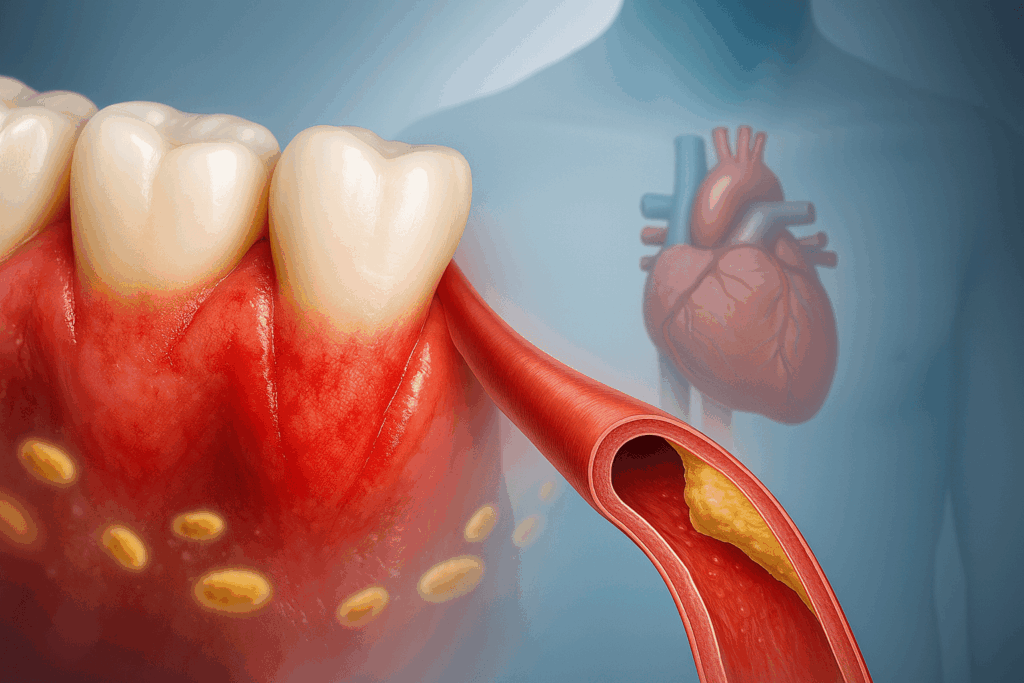
Patients often point to it a little sheepishly: a small bump on the gum, a bit like a pimple, that sometimes leaks a salty taste and then seems to disappear. Because it usually does not hurt much, it is easy to ignore. What I tell my patients is that this little bump is often your mouth’s way of venting an infection that has not gone away.
In this post I will explain what a gum boil really is, why it keeps coming back, how to tell it apart from a canker sore, and what actually fixes it.
The short version
- A gum boil is usually a small drainage opening for an infection at a tooth root or in the gum, not a true pimple.
- It can drain and shrink, then return, because the infection underneath is still there.
- Popping it does not fix it. Treating the source tooth or gum pocket does.
- Facial swelling, fever, or trouble swallowing or breathing means you need care today.
What is a gum boil?
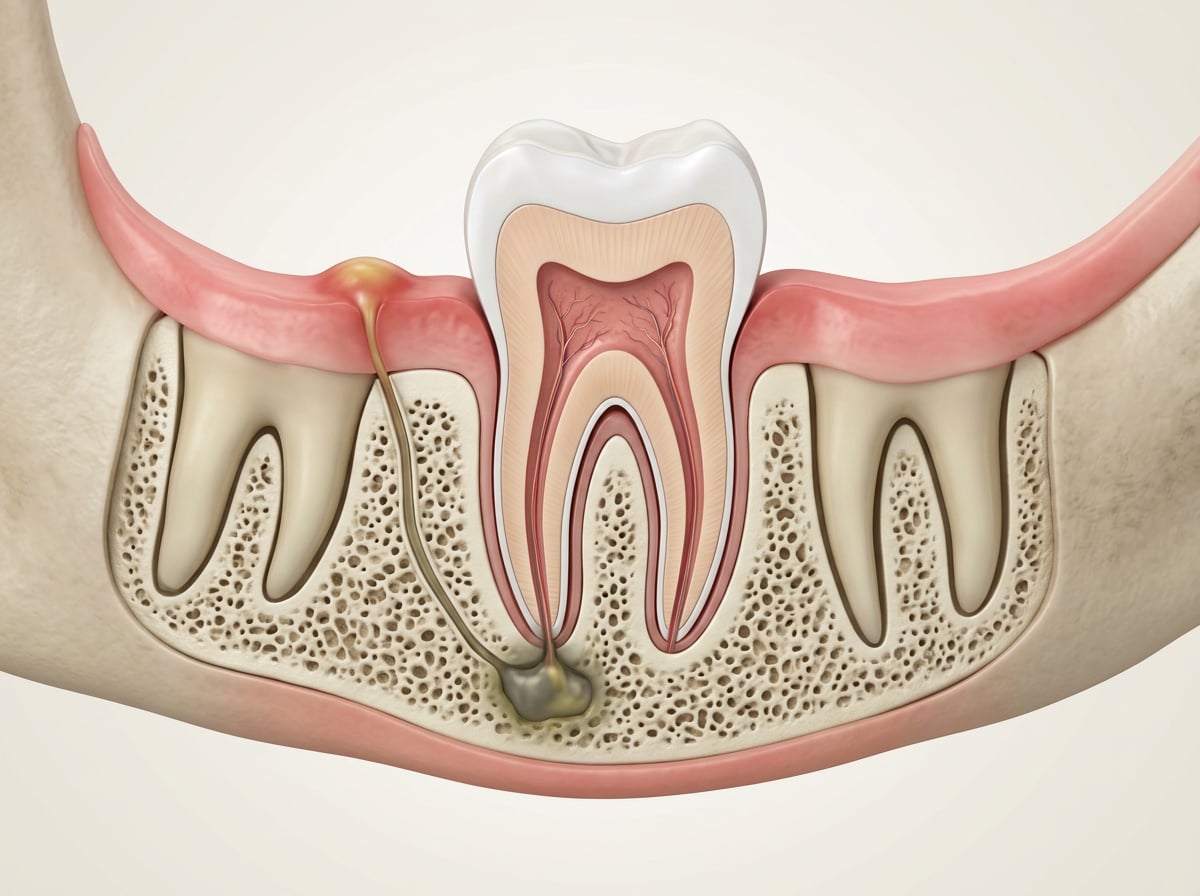
A gum boil is a small, pimple-like bump on the gum that usually marks the opening of a sinus tract: a tiny tunnel that lets pus drain from an infection at the tip of a tooth root or in a deep gum pocket. It is a sign of infection, not a skin-type pimple, and it needs a dentist to find and treat the source.
Dentists also call it a parulis or a gum fistula. The terms describe the same thing: the visible end of a drainage path. Research describes this kind of chronic root infection as one that drains on and off through a sinus tract opening in the gum, which is exactly why a gum boil can come and go.
What a gum boil looks like
Most gum boils share a few features:
- A small, raised bump on the gum, usually on the cheek side of the gum near the root of one tooth
- A yellow or white center when pus is close to the surface, surrounded by red or pink gum
- A salty, bitter or bad taste when it drains, sometimes with a small spot of pus or blood
- A cycle: it swells, drains, flattens out, and then comes back days or weeks later in the same spot
Often there is little or no pain. That surprises people, but it makes sense. When pus has a way out, pressure does not build up the way it does in a closed-off abscess. A missing ache does not mean the infection is gone; it means it has found a vent.
What causes gum boils
A gum boil is a symptom, so the real question is where the infection is coming from. There are three common sources.
Infection at the tooth root
This is the source I look for first. When deep decay, a crack or an old injury lets bacteria reach the pulp (the nerve and blood supply inside a tooth), the pulp can die. According to the American Dental Association, pus then collects at the tip of the root in the jawbone and forms an abscess. If that pus tunnels out through the bone and gum, you see a gum boil.
The tooth itself may not hurt much, especially if the nerve has already died. My post on the signs patients often miss when they need a root canal covers the other clues.
Gum (periodontal) infection
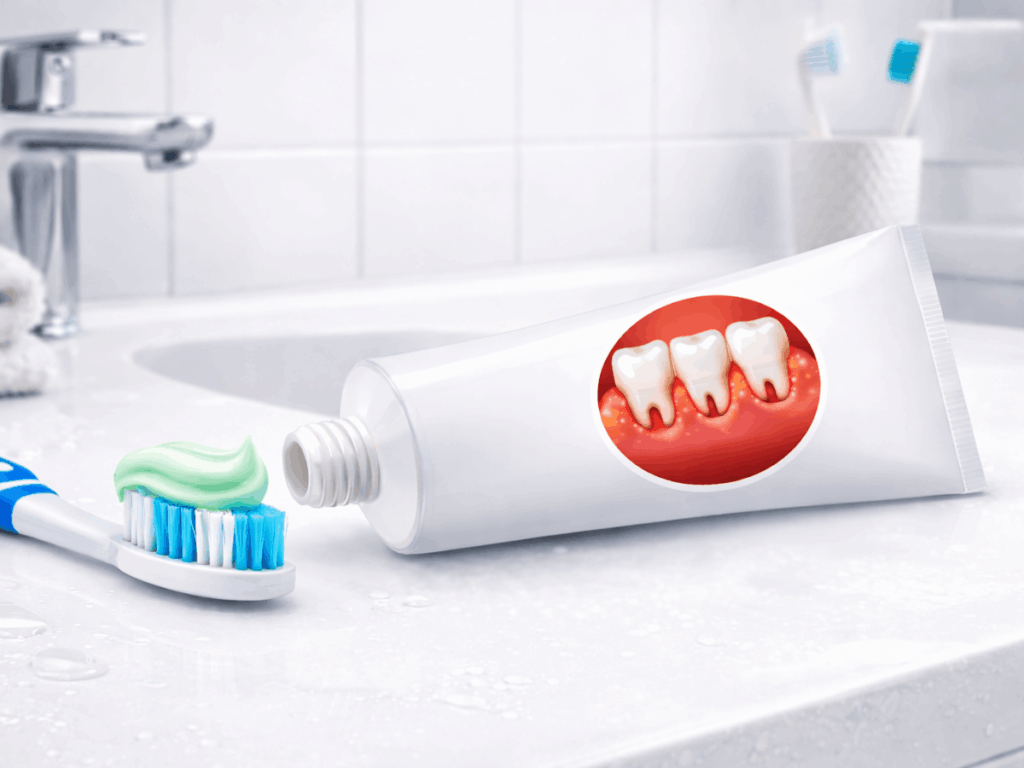
Sometimes the infection starts in the gum instead of inside the tooth. A periodontal abscess is a localized collection of pus in the wall of a gum pocket, and it often shows up as a flare of gum disease that has not been treated. The fix is a deep cleaning of that pocket, not a root canal. Read more in Can Gum Disease Be Reversed?
A tooth that already had a root canal
A gum boil next to a tooth with a root canal can be confusing, but it happens. Most root canal teeth heal well, yet some do not heal as expected. StatPearls lists failed root canal treatment as one of the causes of a dental abscess, alongside decay and trauma. The American Association of Endodontists notes that a tooth like this can often be given a second chance with retreatment.
Gum boil vs. canker sore vs. abscess
These three get mixed up all the time, and they are treated very differently. Here is how I tell them apart:
The key difference is drainage. According to the ADA, canker sores usually heal on their own in one to two weeks and are not contagious; they do not ooze pus. If you get canker sores often, my post on whether mouthwash is bad for mouth ulcers explains how to care for them.
A closed-off abscess, on the other hand, traps pus with nowhere to go. That is when pain, swelling, a bad taste and fever tend to show up. A gum boil is in many ways an abscess that has found a way to drain.
Should you pop a gum boil?

No. I understand the urge, and some people find that it has already popped on its own. But squeezing or poking it does not help, for three reasons:
- The infection is not in the bump. The bump is just the exit. The source sits at the root tip or deep in a gum pocket, and squeezing the surface does nothing to it.
- You can push bacteria the wrong way or injure the gum, especially with fingernails, pins or other sharp objects.
- It will come back. As long as the source is infected, the tract keeps refilling and draining.
If your gum boil has popped by itself, that is not a reason to panic. Rinse gently with warm salt water, keep the area clean, and book a visit so we can find what is feeding it.
What you can do at home until your appointment
There is no home remedy that cures a gum boil, because the infection is inside the tooth or gum pocket. What you can do is keep the area clean and stay comfortable until you are seen.
If the bump flattens and stops draining, it is tempting to cancel the appointment. Please don’t. A quiet gum boil usually means the drainage path closed for now, not that the infection healed.
How a dentist treats a gum boil
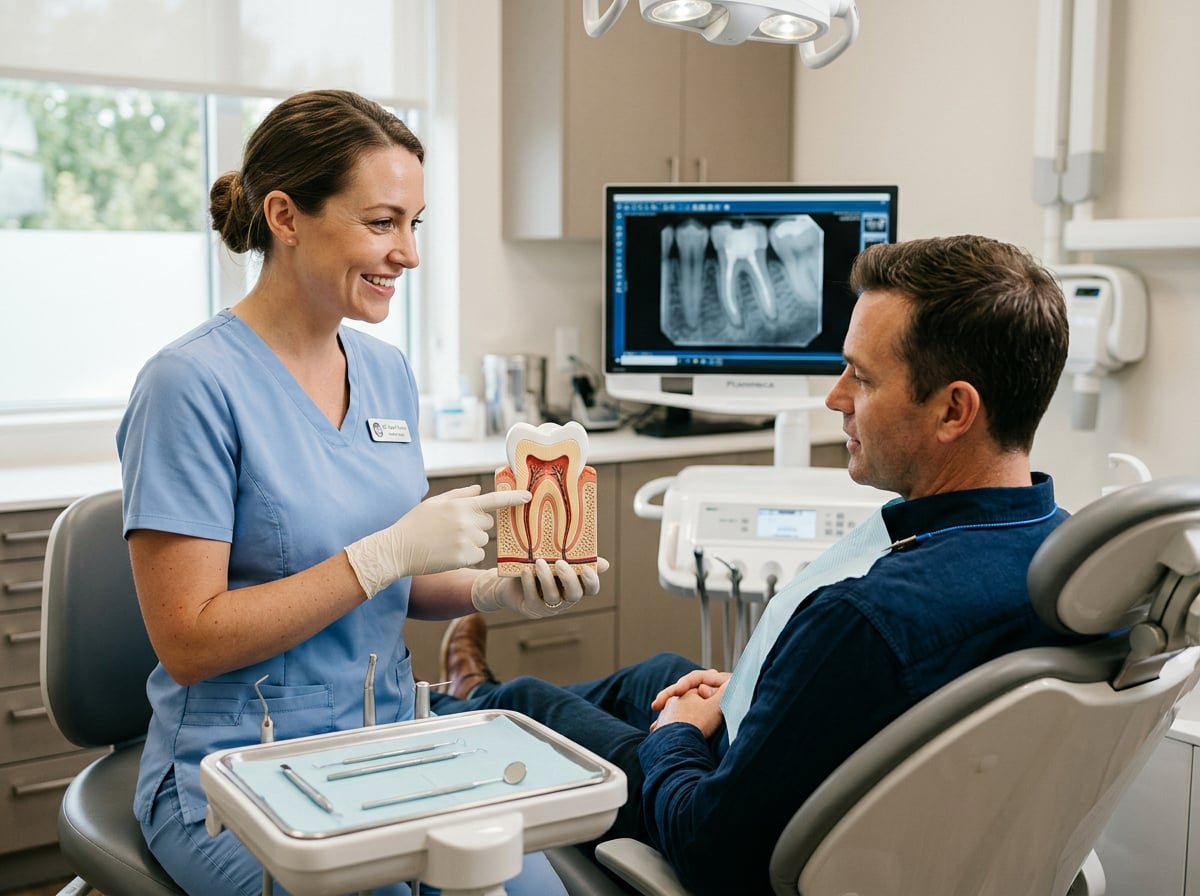
The goal is simple: find the source and treat it. Once the infection underneath is gone, the drainage tract has no reason to stay open.
Step 1: Find the source tooth. A gum boil does not always sit right next to the tooth causing it. I start with an exam and X-rays. When the source is unclear, a dentist can gently place a thin, flexible gutta-percha point into the opening and take an X-ray, which traces the tract back to the tooth it came from. It sounds odd, but it is quick and very gentle.
Step 2: Treat the cause. The ADA lists the main options: draining the infection, cleaning the space between the tooth and gum when gum disease is the cause, and root canal treatment when decay or a crack is to blame. Here is how they compare:
What about antibiotics? Antibiotics can help when an infection is spreading or you have a fever, but on their own they do not clear the source. Guidance for periodontal abscesses, for example, puts drainage and cleaning first and reserves antibiotics for some cases. If I do prescribe them, it is alongside treating the tooth or gum, not instead of it.
If you are nervous about a root canal, my post on what actually happens during a root canal walks through it step by step.
When to see a dentist
Every gum boil deserves a dental visit, because it almost always means there is an infection that will not clear on its own. How soon depends on your symptoms.
Book a visit within a few days if:
- You have a bump that drains, shrinks and comes back
- You notice a salty or bad taste from one spot
- The bump is next to a tooth that had a root canal or a large filling
- You are not sure whether it is a gum boil or a canker sore that has lasted more than two weeks
Get care the same day if you have any of these:
- Swelling of your cheek, jaw or face
- Fever or feeling generally unwell
- Severe, throbbing pain
- Difficulty opening your mouth or swallowing
Go to the emergency room or call 911 if you have trouble breathing or swallowing, or swelling that is spreading quickly toward your eye or neck. A dental infection that spreads can become serious, and prompt treatment helps prevent dangerous complications.
Not sure how urgent it is? Call us and describe what you are seeing. You can also check my guide to what counts as a dental emergency or visit our emergency dentist page.
Frequently asked questions
Will a gum boil go away on its own?
A gum boil may shrink or seem to disappear after it drains, but it usually comes back because the infection feeding it is still there. The bump only goes away for good once a dentist treats the source, such as with a root canal, a deep gum cleaning or, in some cases, removing the tooth.
Is a gum boil an emergency?
A gum boil on its own is usually not an emergency, but it does need a dental visit soon. It becomes urgent if you have facial or jaw swelling, fever, severe pain, or trouble opening your mouth or swallowing. Trouble breathing or rapidly spreading swelling needs the emergency room right away.
Can a gum boil come back after a root canal?
Yes. Most root canal teeth heal well, but sometimes infection remains or returns, and a gum boil can appear near the treated tooth. A dentist can check it with X-rays. Often the tooth can still be saved with root canal retreatment; if not, extraction may be recommended.
Do gum boils hurt?
Often they do not hurt much. Because the pus has a way to drain, pressure does not build up like it does in a closed abscess. Little or no pain does not mean the infection is healing, so a painless gum boil still needs to be checked.
Can you treat a gum boil at home?
No home remedy can cure a gum boil, because the infection is inside the tooth or deep in the gum. Warm salt-water rinses and gentle brushing can keep the area clean until your appointment. Do not pop it, and do not use leftover antibiotics.
Do kids get gum boils?
Yes. Children can get gum boils, most often from a baby tooth with a deep cavity or an old injury. Research shows infected baby teeth commonly drain through a tract in the gum, just as adult teeth do. Even though baby teeth fall out, an infected one should be checked promptly. See our pediatric dentistry page.
Don’t wait for it to come back again
A gum boil is small, but it is a clear signal that something underneath needs attention. The earlier we find the source, the more likely it is that the tooth can be saved with a simpler treatment.
If you are in or around Washington, PA, I would be happy to take a look. You can request an appointment at Enhanced Wellness or call us at (724) 225-5070. Every mouth is different, so your treatment will depend on what your exam and X-rays show.
Sources
- American Dental Association, MouthHealthy. Abscess.
- American Dental Association, MouthHealthy. Canker Sores.
- Dental Abscess. StatPearls, NCBI Bookshelf.
- Periodontal Abscess. StatPearls, NCBI Bookshelf.
- Salivary Metabolomics Fingerprint of Chronic Apical Abscess with Sinus Tract: A Pilot Study. 2019.
- Primary molar with chronic periapical abscess showing atypical presentation of simultaneous extraoral and intraoral sinus tract with multiple stomata. PubMed Central.
- American Association of Endodontists. Endodontic Retreatment.
Bump on your gum that keeps coming back?
A gum boil means there is an infection underneath that will not clear on its own. An exam and X-ray show which tooth is behind it, and the earlier it is found, the more likely the tooth can be saved. Dr. Liza will walk you through every option before anything is done.

Dr. Elizabeth Wakim, DDS, is the founder of Enhanced Wellness. She’s a compassionate and highly-regarded dentist with her own practice in Washington, Pennsylvania, known for providing modern, comprehensive dental care, botox and facial aesthetics with a focus on patient comfort and anxiety reduction, serving general, cosmetic, and pediatric dentistry needs.