Open Bite: Why Your Front Teeth Don’t Touch, What Causes It, and How Adults Fix It
Noticed your front teeth don’t touch when you bite together? Dr. Liza Wakim explains what an open bite is, what causes it, the problems it can cause, and how adults can fix it with Invisalign, braces or surgery.
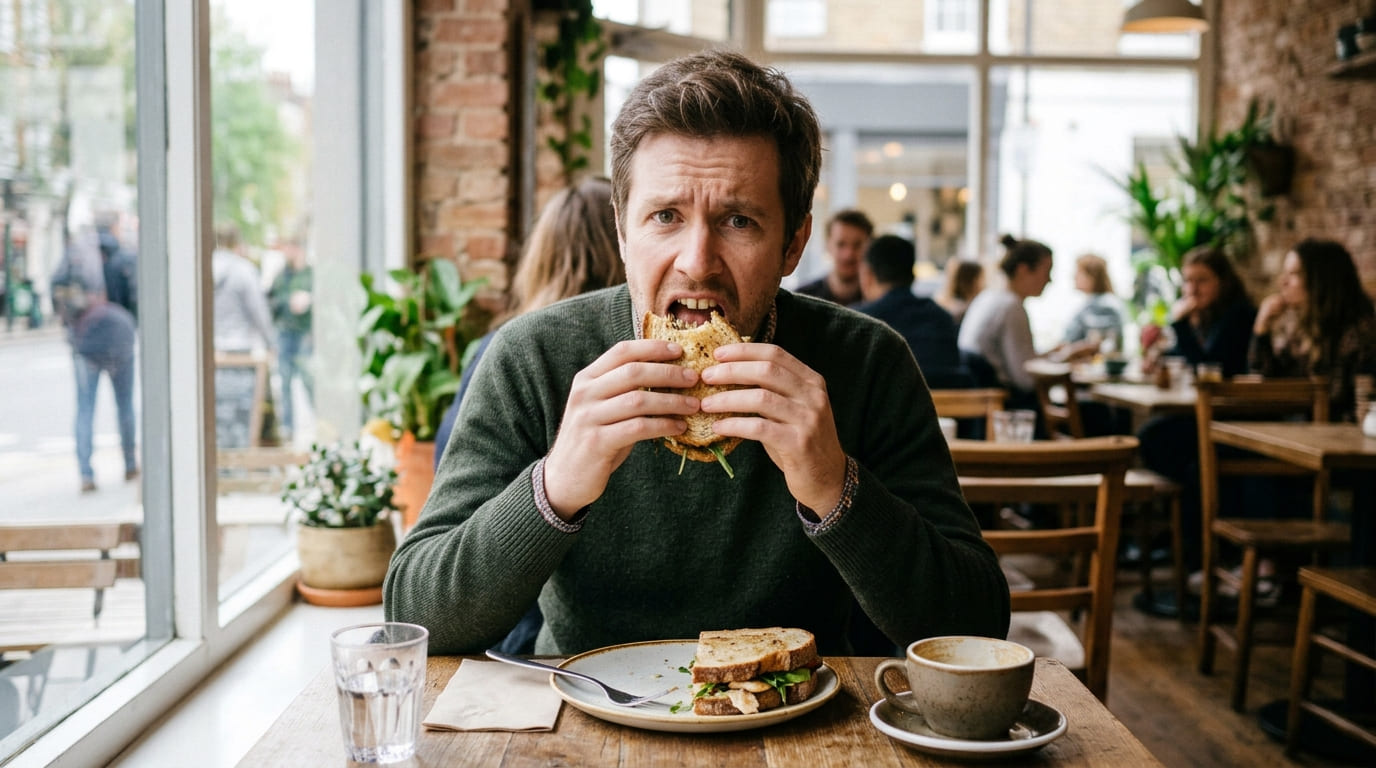
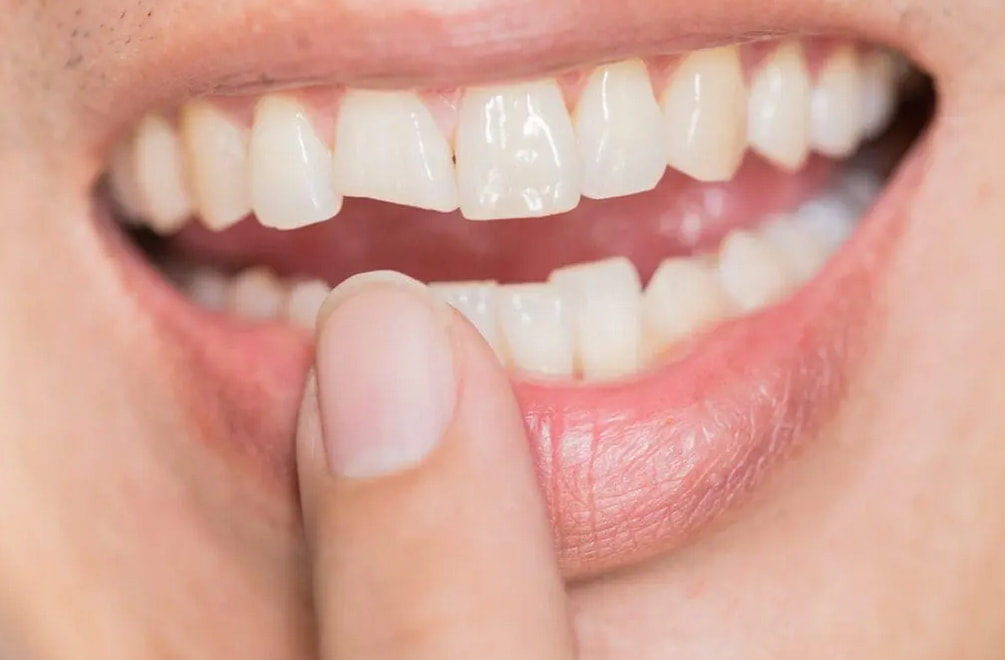
Many people with an open bite do not realize anything is unusual until they try to bite into a sandwich or a slice of pizza and find their front teeth simply do not meet. Others notice a lisp or that their back teeth seem to be wearing down.
In this post I will explain what an open bite is, why it happens, why it matters and what adults can do about it.
The short version
- An open bite means some teeth do not touch when you close your mouth, most often the front teeth.
- Common causes include thumb sucking, tongue thrusting, mouth breathing, jaw growth patterns and sometimes TMJ changes.
- It can affect biting, chewing and speech, and put extra wear on the back teeth.
- Many adult open bites can be treated with Invisalign or braces; skeletal cases may need surgery.
What is an open bite?
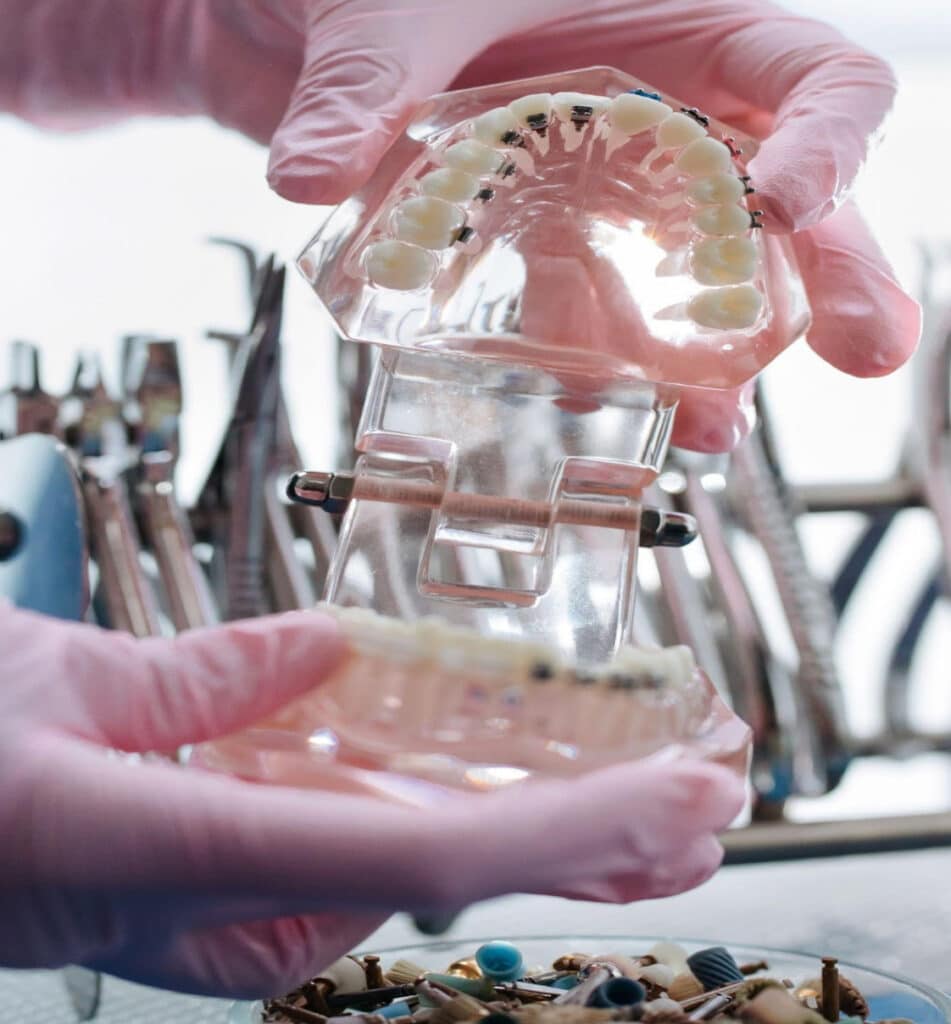
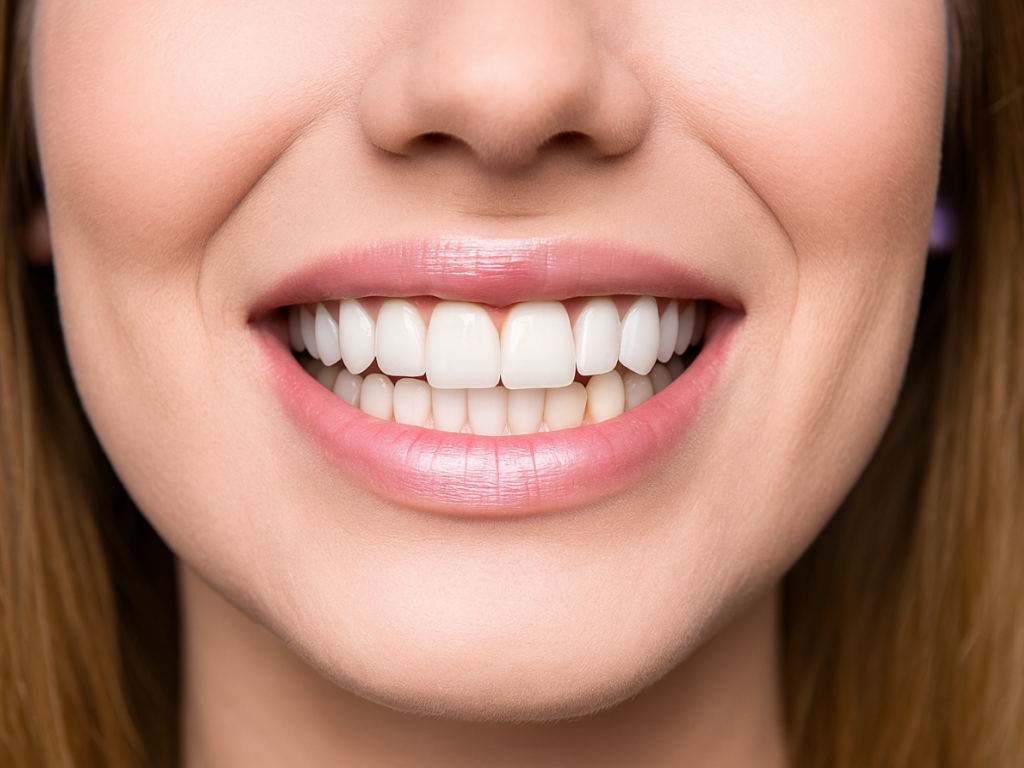
In a normal bite, the upper front teeth slightly overlap the lower front teeth. In an anterior open bite, the front teeth do not touch at all, leaving a gap when you bite down. In a less common posterior open bite, the back teeth do not meet. The American Association of Orthodontists lists open bite among the common bite problems orthodontists treat.
Causes
- Thumb or finger sucking and long-term pacifier use in childhood
- Tongue thrust: pushing the tongue between the teeth when swallowing or speaking
- Mouth breathing and airway problems, which can affect tongue posture and jaw growth
- Jaw growth patterns and genetics
- TMJ changes, which in some adults can gradually change how the teeth meet
The AAO notes that tongue posture and habits can influence the bite, especially in growing children.
Problems it causes
- Difficulty biting into foods with the front teeth
- Extra wear on the back teeth, which take all the chewing force
- Speech changes, such as a lisp
- Jaw strain in some people
If your bite feels off, my post on whether crooked teeth can cause pain explains other warning signs. Wavy edges on the tongue can be a clue to tongue habits; see my post on scalloped tongue.
Can an adult fix an open bite?

Yes, in many cases.
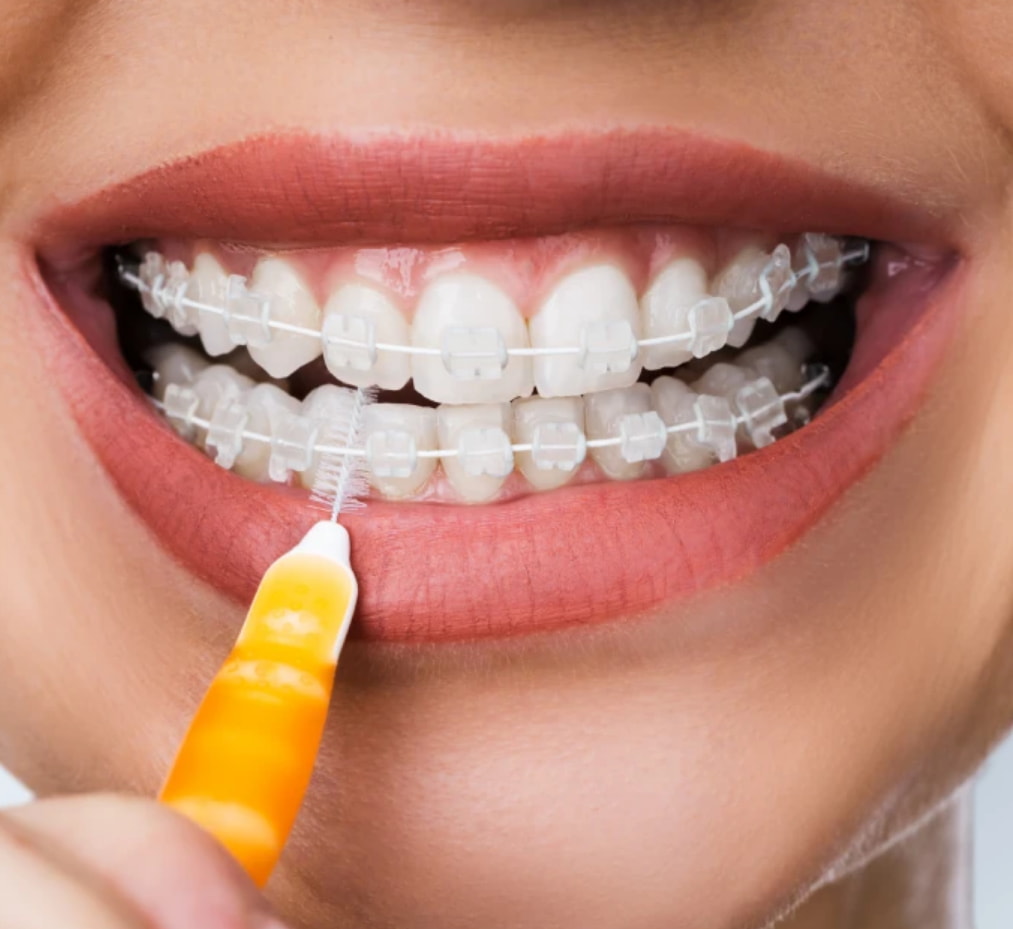
Invisalign lists open bite among the cases clear aligners can treat, and a study of open bite treatment found that orthodontic approaches can improve open bites in adults, although relapse is a known challenge, especially when tongue habits continue. Learn more on our Invisalign page.
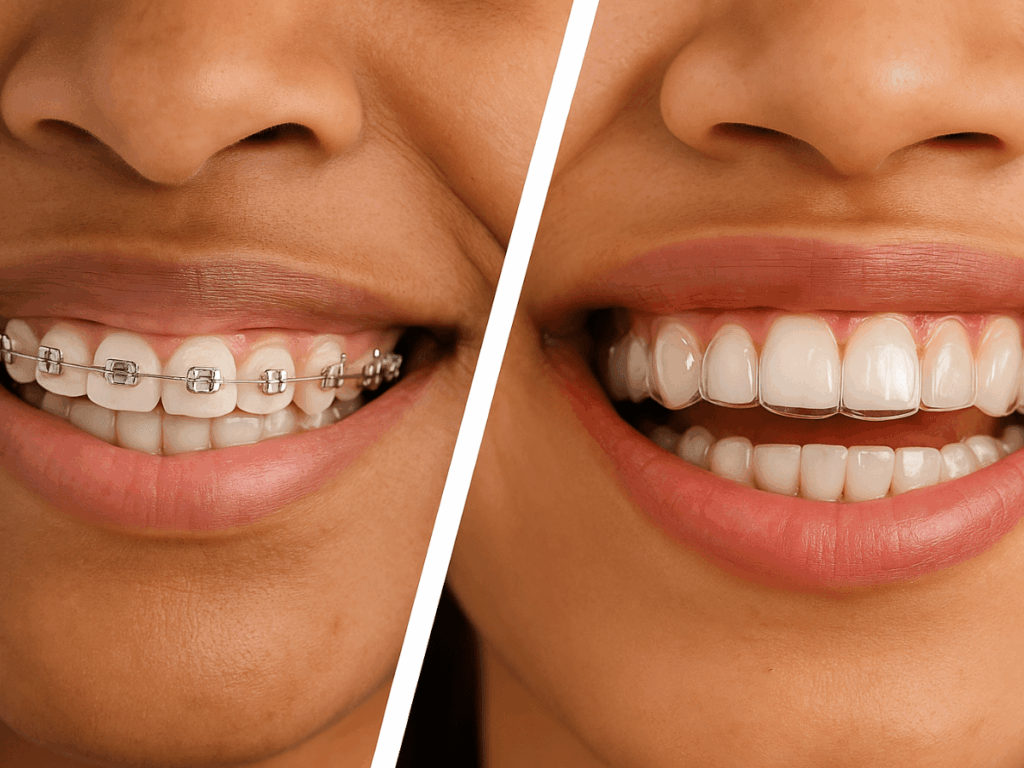
Before and after: what to expect
After treatment, the front teeth overlap and meet, biting into food becomes easier, and the load on the back teeth evens out. Treatment often takes months to a couple of years, depending on the case. Retainers, and addressing tongue habits, are important to keep the result.
For related bite problems, see my posts on overbite, crossbite and Invisalign underbite treatment.
When to see a dentist
Book a visit if your front teeth do not touch when you bite, your back teeth are wearing down, you have a lisp or trouble biting into food, or your bite has changed recently. A bite that changes in adulthood should always be checked; our TMD treatment page explains how we evaluate the jaw joints.
Frequently asked questions
Can Invisalign fix an open bite?
Many mild to moderate tooth-related open bites can be treated with Invisalign. Open bites caused by jaw growth may need braces, surgery or a combination.
Does an open bite get worse?
It can, especially if tongue thrusting, mouth breathing or other habits continue. A bite that changes in adulthood should be checked.
Can TMJ cause an open bite?
In some adults, changes in the jaw joints can gradually alter how the teeth meet, sometimes creating an open bite. A dentist can evaluate the joints and bite.
Is an open bite genetic?
Jaw growth patterns can run in families, so genetics can play a role. Habits like thumb sucking and tongue thrusting are also common causes.
How long does open bite treatment take?
It often takes months to a couple of years, depending on the cause and severity. Your dentist or orthodontist can give you a timeline after an exam.
Can veneers fix an open bite?
Veneers or bonding can change the shape of the front teeth and close a small cosmetic gap, but they do not correct the bite itself. Orthodontic treatment is usually the better first step.
Find out what your bite needs
If you are in or around Washington, PA, you can request an appointment at Enhanced Wellness or call us at (724) 225-5070.
Sources
- American Association of Orthodontists. 7 common bite problems.
- American Association of Orthodontists. Is mewing bad for you?
- Invisalign. Open bite.
- Open bite treatment study. PubMed Central.
Front teeth not touching?
Dr. Liza checks whether your open bite comes from your teeth, your jaw or your tongue habits, and explains which options fit your bite.

Dr. Elizabeth Wakim, DDS, is the founder of Enhanced Wellness. She’s a compassionate and highly-regarded dentist with her own practice in Washington, Pennsylvania, known for providing modern, comprehensive dental care, botox and facial aesthetics with a focus on patient comfort and anxiety reduction, serving general, cosmetic, and pediatric dentistry needs.