TMJ Headache: How Jaw Clenching Causes Headaches, Where You Feel Them, and What Relieves Them
Waking up with headaches at your temples or a sore jaw? Dr. Liza Wakim explains how jaw clenching can cause headaches, where you feel them, how they differ from migraines, and what actually relieves them.

Waking up with headaches at your temples or a sore jaw? Dr. Liza Wakim explains how jaw clenching can cause headaches, where you feel them, how they differ from migraines, and what actually relieves them.
Many people who come to me with jaw problems mention headaches almost in passing. They have usually been treating them as ordinary tension headaches for years, without connecting them to what their jaw does at night. When we look closely, the pattern often makes sense.
In this post I will explain how the jaw and headaches are linked, where a TMJ headache tends to hurt, how it differs from other headaches, and the relief options worth trying.
The short version
- Clenching and grinding overwork the jaw and temple muscles, which can cause headaches, especially in the morning.
- TMJ headaches are often felt at the temples, around the ears, behind the eyes or along the jaw.
- Clues include headaches that come with jaw pain, clicking, tender jaw muscles or worn teeth.
- Relief usually starts with simple steps and a night guard; see a doctor first for sudden or unusual headaches.
Can TMJ cause headaches?
Yes. Temporomandibular disorders (TMD) affect the jaw joints and the muscles that move the jaw. According to the National Institute of Dental and Craniofacial Research, common symptoms of TMD include headaches along with jaw pain, pain that spreads to the face or neck, and jaw stiffness. Research also shows that TMD and headaches are closely linked, and that jaw problems can make existing headaches worse.
Where a TMJ headache hurts

- Temples: the temporalis muscle on the side of the head is a common source
- Around or in front of the ears, sometimes feeling like an earache
- Behind the eyes
- Along the jaw and cheeks
- The back of the head and neck, when neck muscles tighten too
TMJ headache vs. tension headache vs. migraine
The categories can overlap. Someone with migraines can also clench at night, which can make attacks more frequent. That is why the jaw is worth checking even if you already have a headache diagnosis.
Why clenching and grinding trigger headaches
When you clench or grind, especially during sleep, the jaw and temple muscles can work hard for hours. Like any overworked muscle, they become tight and tender, and that tension can be felt as a headache. Morning headaches are a classic clue to nighttime clenching. Other signs include flattened or chipped teeth, sore jaw muscles when you wake up, and a partner who hears you grinding.
Relief you can try at home

The NIDCR recommends starting with conservative, reversible self-care. These steps help many people:
- Warmth on the temples and jaw for 10 to 15 minutes
- Gentle jaw and temple massage; my post on TMJ massage walks through five simple techniques
- “Lips together, teeth apart” during the day to catch daytime clenching
- Soft foods and no gum chewing during a flare
- Good posture, especially at a desk or on your phone
- An over-the-counter pain reliever as the label directs, if appropriate for you
- Stress management and sleep, since both affect clenching
My post on TMJ flare-up relief has more steps for bad days.
Treatments a dentist can offer

Our TMD treatment and Botox pages explain the options we offer. If you also hear clicking, my post on jaw popping and clicking covers what that means.
When to see a dentist, and when to see a doctor first
See a dentist if:
- You wake up with headaches, a sore jaw or tight temples
- Your headaches come with jaw pain, clicking or tired jaw muscles
- Your teeth are flattening, chipping or wearing down
See a doctor first, or seek urgent care, for a sudden, severe headache, the “worst headache of your life,” a headache with fever, a stiff neck, confusion, weakness, numbness, vision changes or trouble speaking, or a headache after a head injury. These need medical evaluation, not a dental visit.
It is also worth seeing a dentist if a cavity or infected tooth might be the cause; my post on whether a cavity can cause headache pain explains that link.
Frequently asked questions
Can TMJ cause headaches every day?
It can. People who clench or grind every night may wake up with headaches most days, often at the temples. If you have frequent or daily headaches, see a doctor to rule out other causes, and a dentist to check whether clenching is contributing.
How do I know if my headache is from my jaw?
Clues include headaches that are worse in the morning, pain at the temples or around the ears, a sore or tired jaw, clicking, tender jaw muscles and worn or chipped teeth. A dentist can check your jaw muscles, joints and teeth to see if they fit the pattern.
Can a night guard help TMJ headaches?
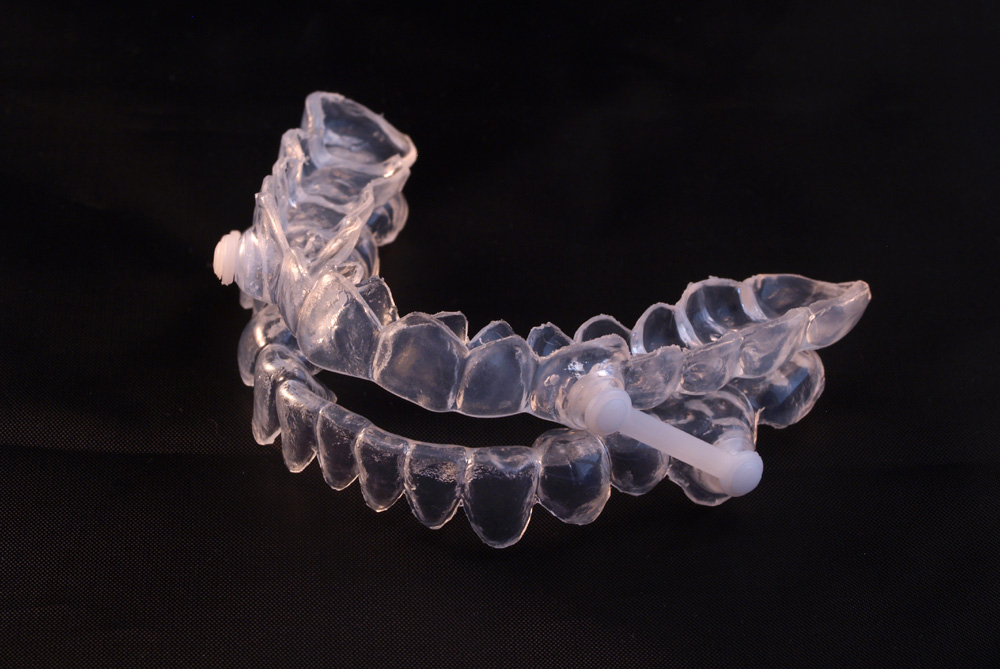
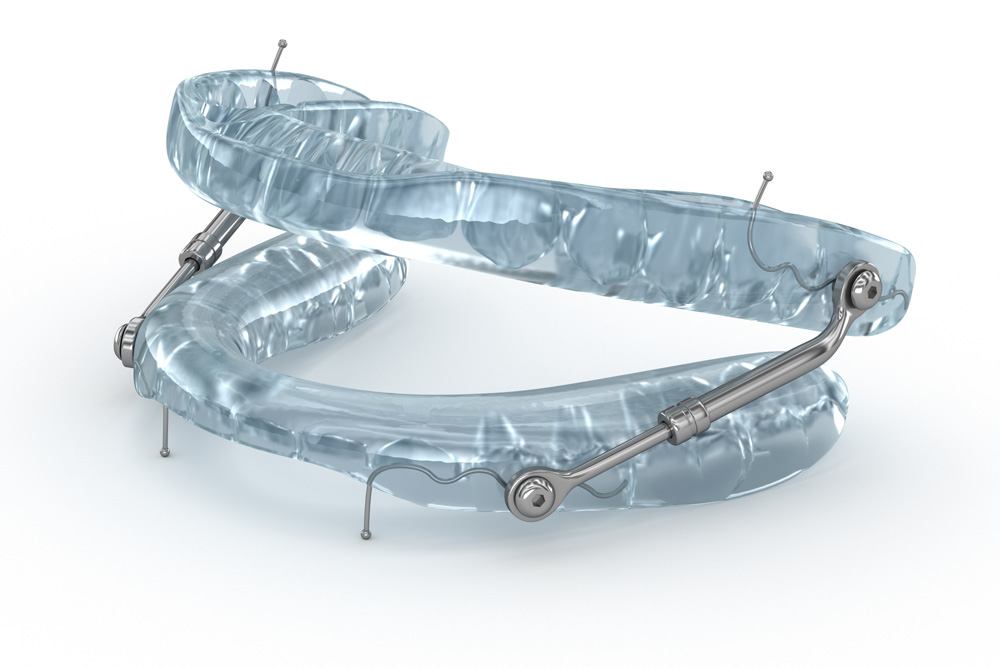
For many people who clench or grind at night, a custom night guard reduces the strain on the jaw and temple muscles and protects the teeth, which can ease morning headaches. It works best alongside habit changes and stress management.
Does Botox help TMJ headaches?
Botox can relax overactive jaw and temple muscles in heavy clenchers, which may reduce related headaches for some people. Using Botox for TMJ is off-label, and it is usually considered after simpler options like a night guard and self-care.
Can TMJ cause headaches behind the eyes?
Yes. Tension from the jaw and temple muscles can be felt in many places, including behind the eyes. Because many conditions can cause pain behind the eyes, it is worth having it checked if it is new or persistent.
Should I see a dentist or a doctor for TMJ headaches?
See a doctor first for sudden, severe or unusual headaches, or headaches with fever, vision changes, weakness or confusion. If your headaches come with jaw pain, clicking, tired jaw muscles or worn teeth, a dentist who treats TMD can help.
Get your jaw checked
If you are in or around Washington, PA, you can request an appointment at Enhanced Wellness or call us at (724) 225-5070. We start with the simplest, most conservative options.
Sources
- National Institute of Dental and Craniofacial Research. TMD (temporomandibular disorders).
- Temporomandibular disorders and headache. PubMed Central.
Waking up with headaches?
If your headaches come with a sore jaw, tight temples or worn teeth, clenching may be part of the cause. Dr. Liza checks your jaw muscles, joints and teeth and starts with the simplest, most conservative plan.

Dr. Elizabeth Wakim, DDS, is the founder of Enhanced Wellness. She’s a compassionate and highly-regarded dentist with her own practice in Washington, Pennsylvania, known for providing modern, comprehensive dental care, botox and facial aesthetics with a focus on patient comfort and anxiety reduction, serving general, cosmetic, and pediatric dentistry needs.