Teeth Grinding and Your Smile: When It’s Cosmetic, When It’s Structural
A patient recently came in wanting veneers because her front teeth had gotten noticeably shorter over the past few years and looked worn at the edges. That’s a completely reasonable thing to want fixed — but before we talked about veneers, we needed to talk about why her teeth were wearing down in the first place. In her case, and in a lot of cases like hers, the answer was grinding, and it changed the entire treatment plan.
This is one of the more common situations I see in cosmetic consultations: a patient notices the cosmetic result of a problem — shorter teeth, chipped edges, a smile that looks “worn” — without realizing the cause is a functional issue that needs its own attention first. Let me walk through how grinding actually damages your smile, how to tell whether what you’re dealing with is purely cosmetic or something more structural, and why that distinction changes what actually needs to happen next.
What grinding actually does to your smile
Teeth grinding, clinically called bruxism, applies far more force to your teeth than normal chewing ever does, and it applies that force repetitively, often for hours at a time during sleep, without the natural breaks and variety of direction that chewing provides. Over months and years, that shows up in some very recognizable patterns.
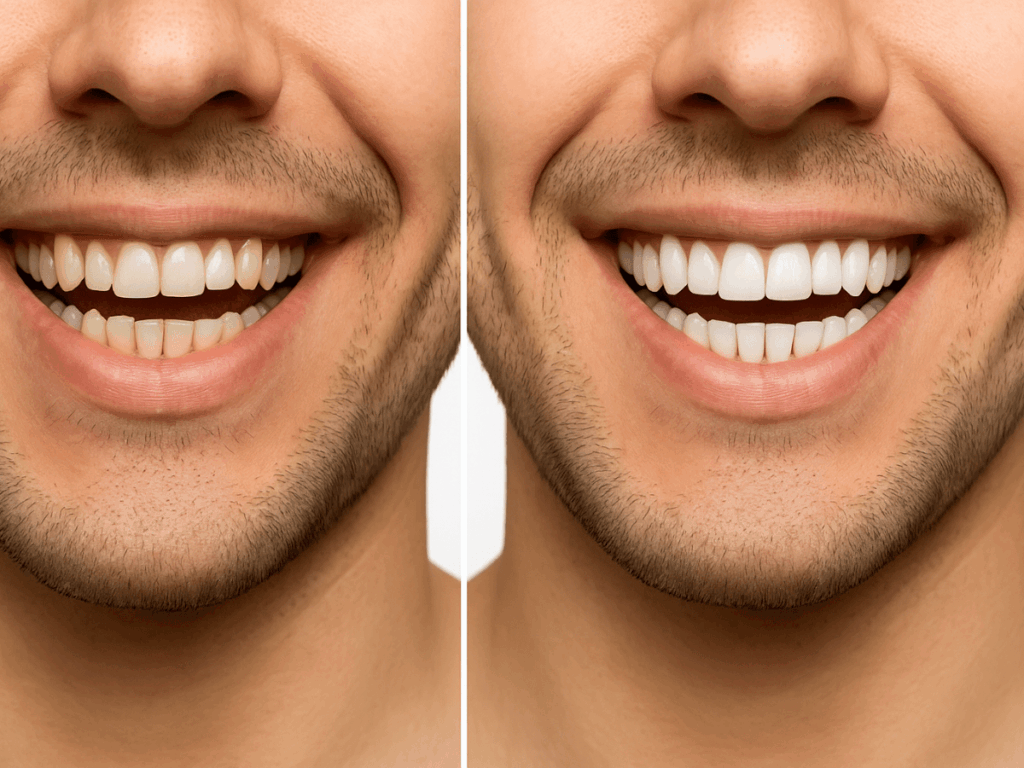
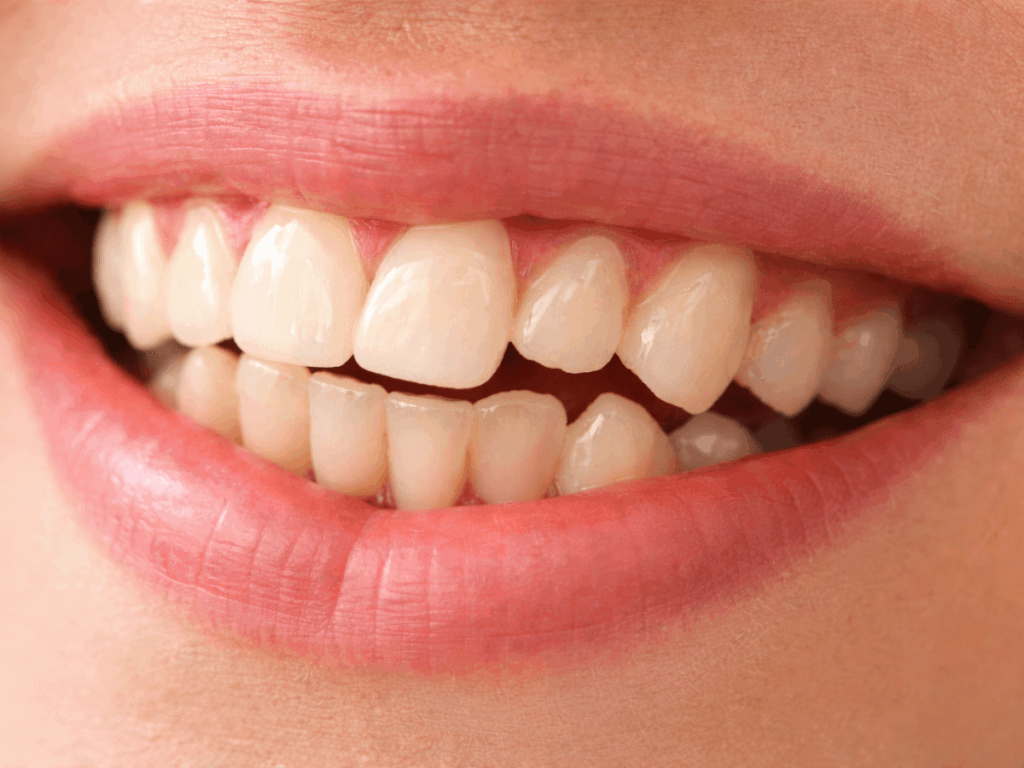
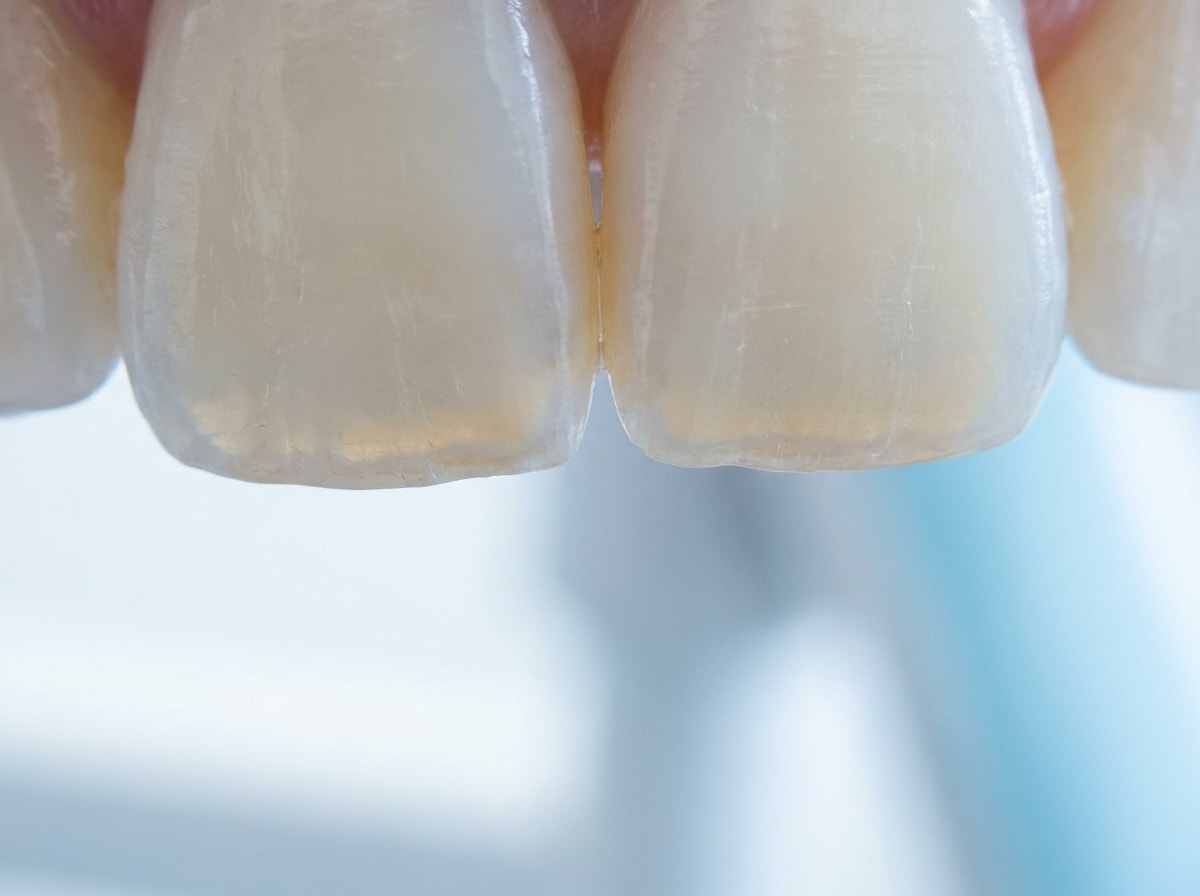
Flattened, shortened front teeth. This is the most common cosmetic complaint I see. The biting edges of the upper and lower front teeth wear against each other until they’re visibly shorter and flatter than they used to be, changing the proportions of the smile in a way patients often notice before they understand why.
Chips and small fractures at the edges. Enamel under repeated, concentrated force develops small fracture lines and chips, especially at the corners and edges of front teeth, which is often what actually brings a patient in for a cosmetic consultation.
A yellower appearance at the edges. As the outer enamel layer thins from wear, the more yellow dentin underneath becomes more visible, particularly at the biting edges — something that’s frequently mistaken for staining when it’s actually a structural change in the tooth.
Small notches at the gumline. Concentrated bite force can create small V-shaped notches right at the gumline, called abfraction lesions, which are frequently confused with the effects of aggressive brushing but stem from a completely different mechanism.
A clinical study examining these exact signs found that patients with bruxism showed a significantly higher tooth wear index, a higher number of fractured teeth, and a substantially higher rate of these gumline notch lesions compared to patients without bruxism — the difference wasn’t subtle, and it was measurable across multiple distinct signs at once.
Did You Know
Bruxism affects roughly 22% of adults worldwide when both sleep and awake grinding are counted, and research suggests the majority of people grind their teeth to some degree at some point in their life. Most people who grind aren’t aware of it until a partner mentions the sound at night or a dentist notices the wear pattern.
What actually causes grinding in the first place
Understanding the trigger matters because it sometimes changes the treatment plan beyond a nightguard alone.
Stress and anxiety are the most commonly cited triggers, particularly for awake clenching that happens during focused, tense moments of the day without much conscious awareness.
Sleep disorders, particularly sleep apnea, have a well-documented connection to sleep bruxism — in some patients, grinding is actually the body’s response to a partially obstructed airway during sleep, which means treating the airway issue can meaningfully reduce the grinding itself.
Bite misalignment can concentrate force unevenly across the teeth, making certain teeth take on disproportionate wear and sometimes triggering a grinding pattern as the jaw searches for a more comfortable position.
Certain medications and stimulants, including some antidepressants and high caffeine intake, are associated with increased grinding activity in some patients, which is worth mentioning to your dentist and physician if grinding developed or worsened after a medication change.
This is part of why a thorough evaluation matters more than simply prescribing a nightguard on the spot — if sleep apnea or a specific medication is driving the grinding, the nightguard is protecting your teeth, but it isn’t addressing the actual source.
Checking your own smile between visits
A few things are worth looking for at home, though they’re a starting point for a conversation, not a diagnosis:
- Front teeth that look shorter or flatter than they did in photos from a few years ago
- Small chips or rough edges you can feel with your tongue
- Waking up with a sore jaw, tight facial muscles, or a headache at the temples
- A partner mentioning grinding sounds during the night
- Visible flat, worn facets on your back teeth when you look closely in a mirror
None of these confirm a diagnosis on their own, but any of them are worth mentioning at your next visit rather than waiting for a cosmetic concern to bring you in.
When it’s “just cosmetic”
Some patients have visible wear from grinding without any of the functional symptoms that point toward a more involved jaw problem — no significant jaw pain, no headaches, no clicking or locking, no enlarged jaw muscles. In these cases, the wear itself is often stable or slow-moving, and addressing it is a more straightforward two-part plan: protect the teeth from further wear with a nightguard, and separately restore the appearance and length that’s already been lost, typically with bonding or veneers depending on how much correction is needed.
The key word there is “separately, but together.” Cosmetic correction without protection is treating the symptom while ignoring the cause — new edges on a veneer or a bonded tooth are just as vulnerable to grinding force as the natural tooth structure was.
When it’s structural
Other signs point toward something that needs functional treatment before, or alongside, any cosmetic correction — not instead of it, but first in the sequence.
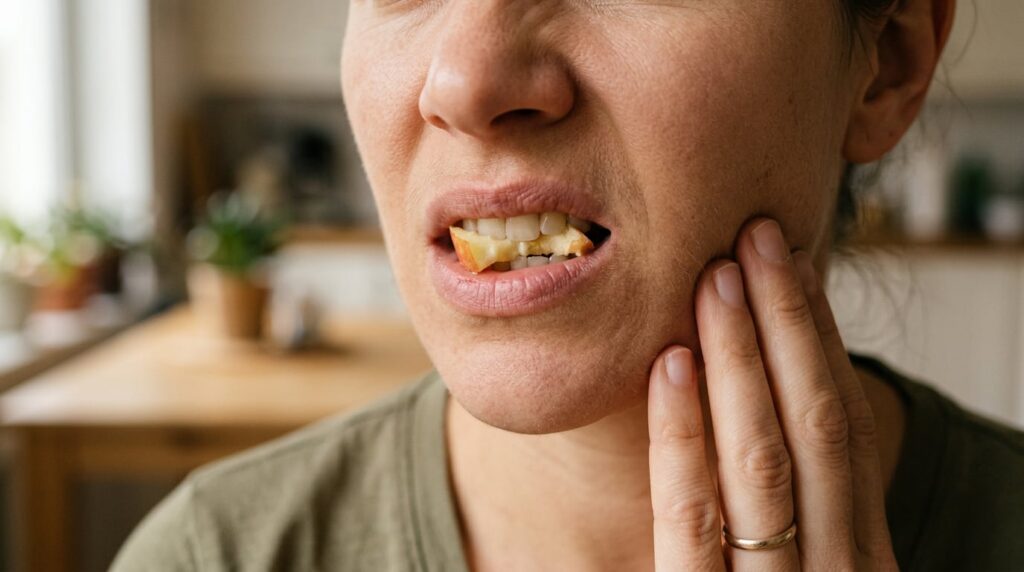
Jaw or facial pain, especially on waking. Morning jaw soreness, tenderness in the muscles at the sides of your face, or an aching sensation in the jaw joint itself are signs the grinding is putting meaningful strain on the jaw system, not just the teeth.
Frequent headaches, particularly at the temples. The muscles involved in clenching and grinding connect directly to the areas where tension headaches are commonly felt, and headaches that are worse in the morning are a common bruxism symptom patients don’t always connect to their teeth.
Clicking, popping, or locking in the jaw joint. These are signs of temporomandibular joint (TMJ) involvement, meaning the joint itself, not just the teeth, is being affected by the excess force and needs its own evaluation.
Visible enlargement of the jaw muscles. Chronic clenching can cause the masseter muscle — the main chewing muscle at the angle of the jaw — to become visibly larger over time, sometimes changing the shape of the lower face.
Significant, ongoing bite changes. If your bite feels different than it used to, or teeth are shifting in ways beyond simple wear, that points toward a more complex picture than surface-level cosmetic damage.
Worth Knowing
Placing veneers or bonding over teeth affected by active, unmanaged grinding is one of the more common reasons cosmetic dental work fails prematurely — the new material faces the exact same forces that damaged the natural teeth in the first place. Addressing the grinding is what protects the investment, not an optional extra step.
| Sign | Cosmetic-only pattern | Structural / TMJ pattern |
|---|---|---|
| Tooth wear | Flattened edges, chips — stable or slow-moving Protect + restore |
Wear alongside pain, clicking, or muscle changes |
| Jaw or facial pain | Absent or minimal | Present, especially on waking Needs evaluation |
| Headaches | Not typically related | Frequent, often at the temples, worse in the morning |
| Jaw joint sounds | None | Clicking, popping, or locking TMJ involvement |
| Jaw muscle appearance | Unchanged | Visible enlargement of the masseter muscle |
| Typical first step | Nightguard + bonding or veneers Straightforward sequence |
Nightguard and/or Botox before cosmetic work |
Why the sequence actually matters
This is the part I want to be direct about, because it affects real decisions patients make about money and timing. If active, unmanaged grinding is present and a patient goes straight to veneers or bonding without addressing it, the new material takes on the same repetitive force that wore down or fractured the natural teeth. I’ve written elsewhere about how porcelain and composite veneers compare and how bonding stacks up against veneers — durability is a major factor in both comparisons, and durability assumes the underlying bite forces are being managed. Skipping that step doesn’t just risk a less attractive long-term result; it risks needing to redo the cosmetic work sooner than expected, which costs more overall than doing it in the right order the first time.
The actual treatment approaches
A custom nightguard is the most common first step, creating a physical barrier that absorbs grinding force and protects both natural teeth and any existing or planned cosmetic work. I’ve gone into more detail on how nightguards actually work in a separate piece, including why a custom-fitted version differs meaningfully from an over-the-counter option.
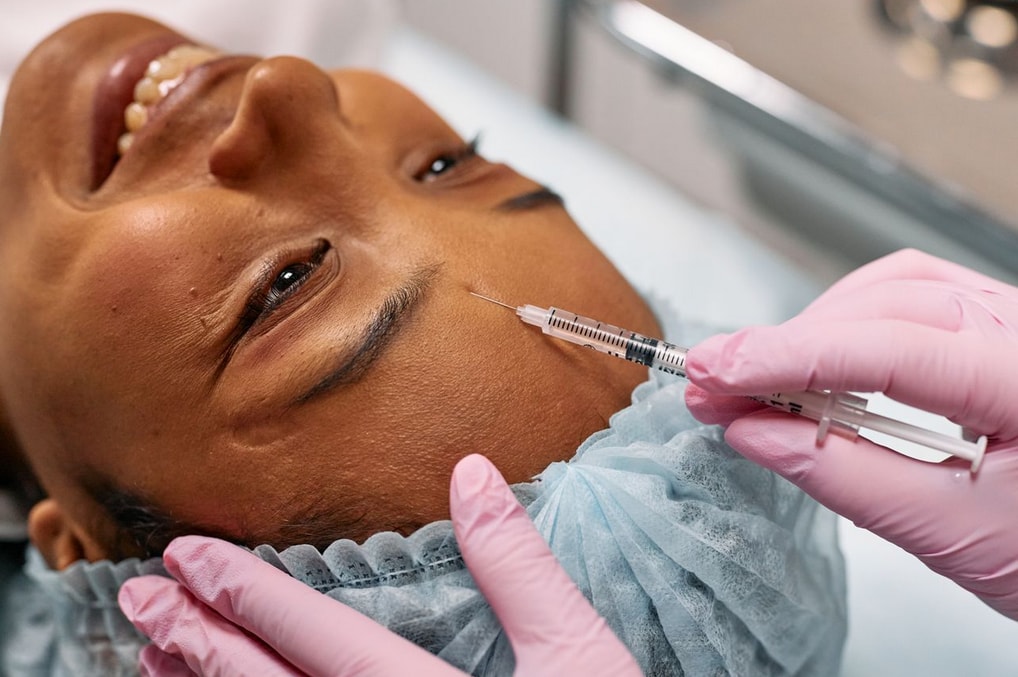
Botox for the jaw muscles is a newer option that works differently — rather than protecting the teeth from force, it reduces the strength of the muscle activity causing the grinding in the first place, which can also help with the muscle hypertrophy and jaw soreness that a nightguard alone doesn’t address. I’ve compared Botox versus nightguards directly if you want to see how the two approaches actually differ and who tends to be a better fit for each.
Orthodontic correction sometimes plays a role when bite misalignment is contributing to concentrated force on specific teeth — in these cases, Invisalign or another alignment approach can reduce the mechanical trigger for grinding on those teeth, rather than only managing the symptom after the fact.
A combination approach is common in practice, since these tools address different aspects of the same problem. A patient with both significant muscle tension and misalignment might use Botox to calm the muscle activity in the short term while orthodontic treatment gradually addresses the underlying bite issue, with a nightguard providing protection throughout. There’s no single “correct” combination — it depends on what the evaluation actually finds.

Cosmetic-only wear vs. structural involvement, side by side
Here’s a simplified way to think through which category your situation likely falls into, though a real evaluation is the only way to know for certain.
What the combined process actually looks like
For most patients dealing with both grinding damage and a cosmetic concern, the sequence looks something like this: first, address the active grinding with a nightguard, Botox, or both, depending on what the evaluation shows; then, once the bite forces are under control, move forward with the cosmetic correction — bonding for smaller chips and edge wear, veneers for more significant reshaping or multiple affected teeth. Doing it in this order means the cosmetic work is being placed onto a mouth that’s no longer actively damaging it, which is a large part of what determines how long that investment actually lasts.
The bottom line
Worn, chipped, or shortened front teeth are a legitimate cosmetic concern worth addressing, but they’re often a symptom rather than the whole story. Before jumping straight to veneers or bonding, it’s worth figuring out whether grinding is driving the wear, and if so, whether it’s purely mechanical or connected to a broader jaw issue that needs its own treatment. Getting the sequence right — protect and stabilize first, then restore — is what actually makes a cosmetic result last, and it’s a far better use of your budget than paying to fix the same wear twice.
Washington, PA & Pittsburgh
Not sure if your worn teeth are cosmetic or something more?
Dr. Wakim can evaluate whether grinding is behind your tooth wear and build a plan that protects any cosmetic work you invest in.

Dr. Elizabeth Wakim, DDS, is the founder of Enhanced Wellness. She’s a compassionate and highly-regarded dentist with her own practice in Washington, Pennsylvania, known for providing modern, comprehensive dental care, botox and facial aesthetics with a focus on patient comfort and anxiety reduction, serving general, cosmetic, and pediatric dentistry needs.